N+One Notifications: Tuning Daily Pings So You Get The Useful Ones
5 min read

Tune N+One notifications with a seven-day test: keep actionable training alerts, batch useful summaries, set quiet hours, and mute low-value pings.
On this page

Photo by Renato Ulpiano on .
Cut notification noise by keeping only pings that change a decision you make today.
Notifications shape the small choices around training: when you start, when you pause, and when you review. Treat each ping as part of your training system, not as a separate interruption. Keep the alerts that lead to one clear act, then quiet the rest.
Start with one change, not a full reset of every alert. Your goal is to learn which pings change a real choice today.
Keep workout start, interval, and safety alerts if they help you act on time. Mute broad wellness summaries for seven days if they do not lead to a clear next step.
This mirrors how a good plan narrows choice at the right time. If your app setup spans a phone, tablet, and head unit, check how N+One works across devices before you judge the notification flow.
Keep workout start and interval alerts on.
Mute broad wellness summaries for seven days.
Silence promotional and passive badge pings.
Leave safety alerts immediate.
Keep decision alerts, cut background noise, then review the result after one week.
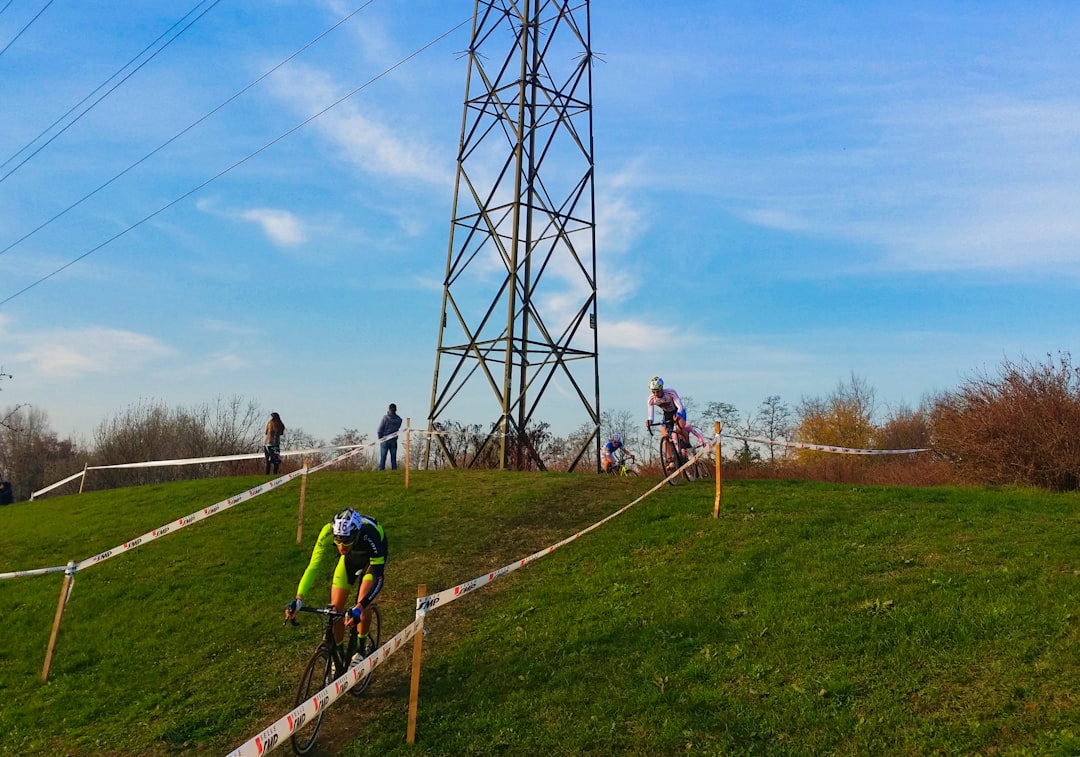
Photo by Domenico Adornato on Unsplash.
Every useful ping should answer one question: what should you do next? If the answer is only “know this,” the alert likely belongs in a batch.
Use three tiers. Actionable now alerts arrive at once, useful later alerts wait for review, and noise stays muted.
A missed workout alert can be useful when it leads to a revised week. For that case, pair the ping with how N+One replans missed workouts, so the alert ends in a decision.
Recovery cues also need a clear action. If a readiness signal feels off, use manual readiness updates in N+One rather than letting vague alerts pile up.
Data analysis is free, forever. The Dynamic Coach is Pro. Connected to Garmin, Strava, Whoop, and intervals.icu.
One tactical email with training ideas and product updates. No spam — unsubscribe anytime.
Decide which notifications should prompt an immediate action versus merely inform you.
Keep reading
- How N+One Builds Your Weekly Cycling Plan: From Goals to Daily Workouts — See how N+One turns your cycling goal, recent training, and recovery signals into one weekly focus, daily workouts, and adaptive plan changes.
- Recovery Weeks in N+One: How the App Decides You Need One — Learn how N+One decides you need a recovery week, which signals it weighs, and the clear seven-day next move when the app lowers your load.
- N+One Coach Memory: How the App Carries Context Across Months Without Drowning You in Data — How N+One Coach memory keeps useful training context across months, filters noise, and helps you make one clear next ride decision.
Run the change for seven days, then judge the flow with simple notes. Do not rate the whole app; rate whether each ping led to action.
Log whether you acted, whether the timing helped, and whether the alert broke focus. If most pings from one type are ignored, narrow that trigger or turn it off.
Weekly review is the clean place to make the next change. Use what N+One checks each week to keep the review tied to training, not inbox noise.
If you want day-to-day guidance without second-guessing, let N+One translate your latest training and recovery context into one clear next decision.
Mark each ping as acted on or ignored.
Note whether it broke focus.
Review the pattern after seven days.
Turn off any category that stays unused.
In N+One terms: useful pings should drive a decision, not add background load.
In N+One terms: keep the intensity of decision alerts, cut the volume of low-value pings, then reassess.
Day 0 — Decide: Pick one notification change to test for seven days. Example: keep workout start and interval alerts on, then mute wellness summaries.
Days 1–7 — Run the test: For each notification, note whether you acted on it and rate how much it broke focus. Keep your normal training flow steady.
Day 8 — Review: If that alert type was mostly ignored or often broke focus, disable it or narrow its trigger. Keep pings that reliably prompt action.
Cut notification noise by choosing only signals that change a decision today. Keep training and safety alerts immediate, batch useful summaries, set quiet hours, and review the setup after seven days.
No. Keep alerts that prompt a clear and timely action, such as workout start, interval, or safety cues. Mute or batch pings that only add background information.
Use tiers rather than a full mute. Actionable now alerts stay immediate, useful later alerts are batched, and noise stays off.
Use seven days. That is long enough to see the pattern across work, sleep, and training without turning the test into another task.
Turn that category off or make the trigger narrower. An ignored alert is not a coaching input; it is noise in the system.
ChatGPT for your training — connected to your wearables.