Your First Week With N+One: A Day-by-Day Setup Plan for Cyclists
5 min read

A seven-day N+One setup plan for cyclists: sync devices, validate data, ride easy, add one targeted session, and accept your first weekly plan.
On this page

Photo by Andreas Rasmussen on Unsplash.
Connect your wearable to N+One, complete the first-week rides, then let N+One turn clean inputs into one clear next decision.
Your first week is not about proving fitness. It is about clean data, clear notes, and a plan that matches the way you ride now. This guide keeps physiology claims narrow because the supplied grounding is limited to a PubMed search page. The next move is simple: finish the seven-day setup, then accept the plan N+One gives you unless a sensor, illness, or travel note says otherwise.
Start by linking your wearable, power meter, heart-rate strap, and cadence sensor inside N+One. If you need the full app flow, use this first account setup guide before you ride.
Import recent history if you have it, but do not chase perfect data on day one. Riders moving platforms can use a TrainerRoad or TrainingPeaks migration checklist to keep the switch clean.
Ride easy enough to talk in full sentences, and watch whether the live data looks sane. The goal is not strain; the goal is trust in the signal.
Pair wearable, power, heart-rate, and cadence sensors.
Import recent FTP or power data only if it is current.
Log recent sleep, illness, travel, and medication notes.
Ride easy for 45–60 minutes to check data flow.
Clean inputs make the first N+One decision more useful.
Get clean inputs before you let the system make output decisions.
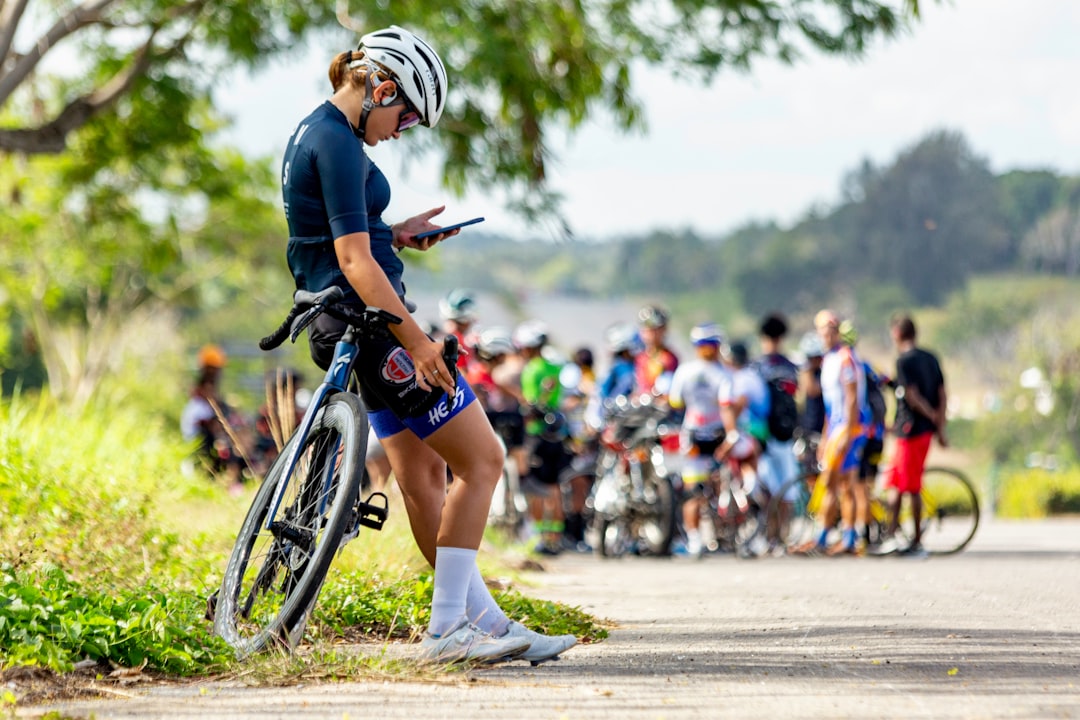
Photo by Ricardo IV Tamayo on Unsplash.
Use day two to check whether power, heart rate, and feel rise together during controlled work. Keep the session short so the test does not become the week.
Warm up well, then ride two hard-but-steady efforts with easy spinning between them. Log your RPE right away, because memory gets soft once the ride ends.
If the numbers look odd, do not rewrite your zones yet. Re-pair the device, add a note, and let N+One weigh the ride with that context.
Warm up for 20 minutes before the first effort.
Ride 2 × 3 minutes hard but steady.
Spin easy for 5 minutes between efforts.
Record power, heart rate, cadence, and RPE.
Keep total ride time under 60 minutes.
Day 1–2: connect devices, sync data, and do low-effort rides to establish baselines.
Data analysis is free, forever. The Dynamic Coach is Pro. Connected to Garmin, Strava, Whoop, and intervals.icu.
Day three should feel almost too easy. You are giving the system a low-stress ride and checking whether the data map is right.
Open N+One after the ride and scan the rides, sleep inputs, and sensor traces. The 60-second dashboard scan is useful when you want the key checks without overthinking.
Fix one real issue if you find one, such as a time-zone mismatch or missed sleep log. Leave small noise alone unless it keeps showing up.
Ride 30–45 minutes at conversational effort.
Review mapped rides and sensor files in N+One.
Correct time zones, missed sleep, or wrong device labels.
Add notes if power or heart rate looked unstable.
Choose one path before you start. If you feel fresh and know how to pace, you may do one short maximal test for a power anchor.
If testing feels wrong today, ride controlled tempo instead. That still gives N+One a useful work signal without asking you to force a max effort.
Log heat, wind, fatigue, and anything that changed the ride. For the broader setup arc, the first 30 days without burnout guide keeps this week in context.
Option A: test only if you feel fresh and steady.
Option B: ride 2 × 20 minutes at sustainable tempo.
Log RPE right after each effort.
Add weather and route notes if they shaped the ride.
Plan an easy day after a maximal test.
This is where N+One starts turning your latest context into one clear next decision.
One clear choice beats a half-test done with mixed intent.
One tactical email with training ideas and product updates. No spam — unsubscribe anytime.
Keep reading
- First login and onboarding — Complete your N+One onboarding: verify email, finish the chat-based profile, connect devices (Strava, Wahoo, WHOOP, Garmin) and get your first adapti...
- Install the app and offline use — N+One PWA offline explains how to install the app, what pages and assets are cached for offline use, caching basics, and which features always need a...
- Overview: your home dashboard — What the Overview dashboard shows: training summaries, readiness & load context, quick actions, and when the page redirects to onboarding.
Keep day five light, especially if you tested on day four. The point is to let the week show a clear pattern, not to stack more strain.
You can walk, do mobility work, or spin very easy if that helps you feel loose. If you are unsure whether to rest or ride easy, compare it with recovery day versus rest day.
Review any flagged sensor issue, then close the loop with one clean fix. Do not add hard work just because the plan feels quiet.
Keep activity light and low pressure.
Use walking, mobility, or an easy spin only.
Log sleep and recovery notes in N+One.
Resolve any sensor flags before day six.
Mark day-four testing in your notes if needed.
Day six gives you the first real taste of structure after the setup work. The right session depends on whether day four included a hard test.
If you tested, choose a steady aerobic ride and keep the effort measured. If you skipped the test, use short tempo work so N+One gets another clean signal.
This is also a good day to check your profile and training goals. The plan can only aim well when the target is set well.
If you tested, ride steady aerobic for 60–90 minutes.
If you skipped testing, ride 3 × 8 minutes tempo.
Take 4 minutes easy between tempo efforts.
Keep the week’s hard work lower than normal.
Log how each effort felt.
On day seven, stop adding clues and start reading the pattern. Open the week summary and check sensor consistency, sleep notes, RPE, and ride completion.
Accept N+One’s first weekly plan unless one clear issue stands out. To see how those choices become workouts, review how weekly plans are built.
If you feel overtired, cut the planned volume for the next week and keep the shape of the plan. If sensors, illness, or travel skewed the week, flag it before you commit.
Review sensor consistency and ride notes.
Check sleep, illness, travel, and RPE entries.
Accept the recommended weekly plan if data looks clean.
If overtired, reduce volume by 20% for seven days.
Ride the plan for one week before more edits.
The week ends when you choose one plan and ride it.
Keep intensity, cut volume if needed, then reassess after the next week.
Day 1: Sync sensors, log recent sleep or illness, and ride 45–60 minutes easy to verify live data.
Day 2: Warm up, then do 2 × 3-minute validation efforts while recording power, heart rate, cadence, and RPE.
Day 3: Ride 30–45 minutes easy, then review N+One data and fix sensor or time-zone issues.
Day 4: Choose one path: a 15–20 minute maximal test if fresh, or 2 × 20-minute tempo if not.
Day 5: Keep activity light, prioritize sleep, and let N+One process the first strong training inputs.
Day 6: If you tested, ride 60–90 minutes steady; if you skipped testing, ride 3 × 8 minutes tempo.
Day 7: Review the week, accept N+One’s plan, or reduce volume by 20% for seven days if overtired.
Connect your wearable to N+One, finish the seven-day setup, and commit to the first recommended week. Clean inputs beat guesswork, and one clear next decision beats constant plan edits.
Only if you feel fresh, know how to pace, and are comfortable with hard testing. If not, use controlled tempo and let N+One adapt from cleaner, lower-risk inputs.
Re-pair the sensor, check battery and device labels, then repeat a short validation ride. Add a note in N+One so the odd file is not treated as normal.
Do not force the protocol. Log the illness, keep the week recovery-focused, and restart the setup once normal training feels appropriate again.
Yes, but import it if you have clean access. Recent history helps N+One read your usual load, while this setup week checks current data quality.