The N+One Beginner Path: Your First 30 Days Without Burning Out
5 min read

Start your first 30 days with two easy rides, one longer aerobic ride, two full rest days, and a weekly check-in to avoid doing too much too soon.
On this page
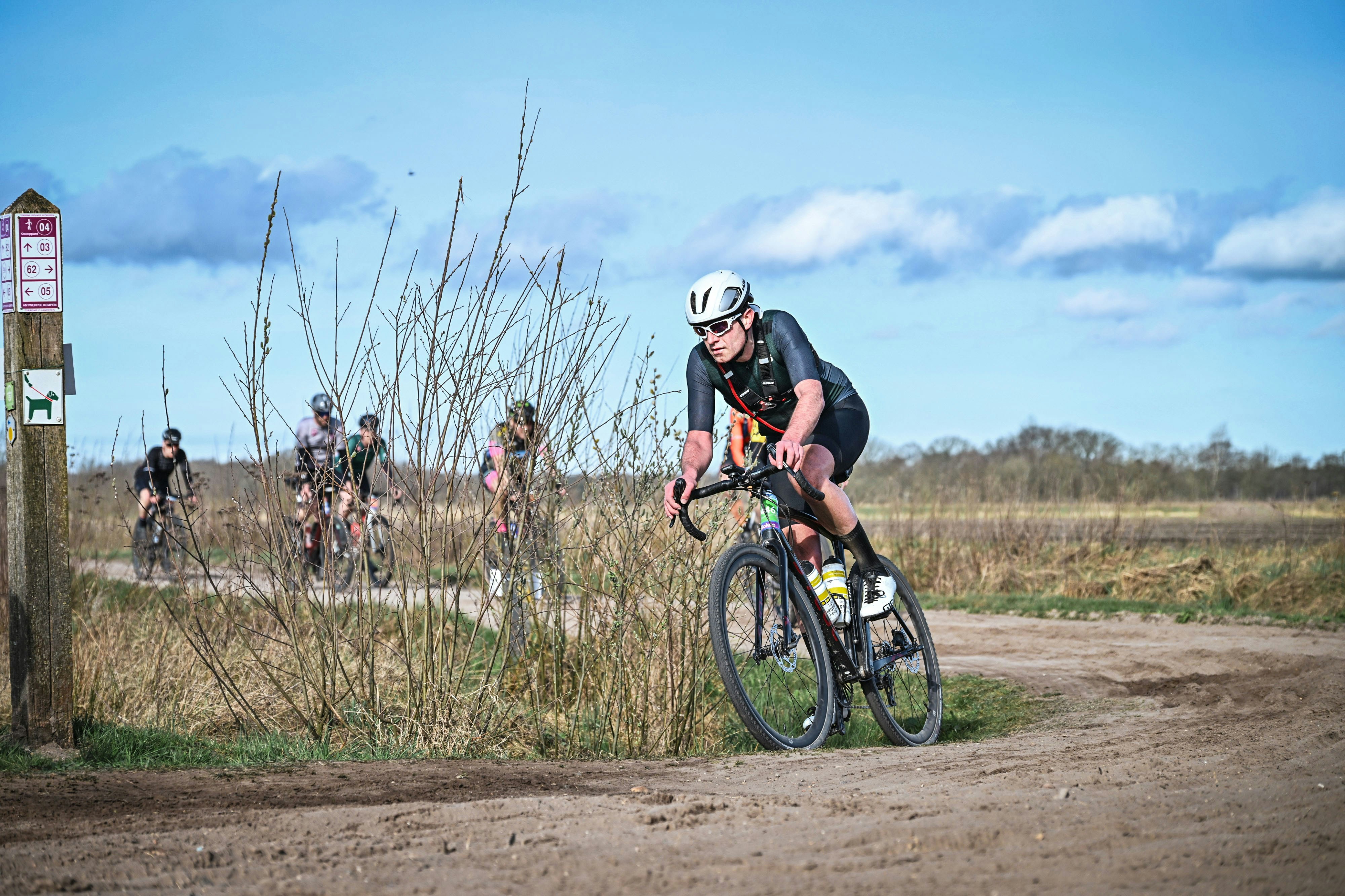
Photo by Martijn Veluwenkamp on Unsplash.
This week, ride twice for 45 minutes, add one 75-minute long ride, and keep two full rest days.
The first 30 days should build a repeatable rhythm, not prove how much work you can absorb. Use two easy rides, one longer aerobic ride, two full rest days, and one weekly check-in to guide the next week.
Your first move is simple: ride three times this week, keep the pace conversational, and protect two full rest days. If you want help setting the basics first, start with your first N+One setup before you log rides.
Do not chase a hard test in week one. You need a clean baseline, so the next choice is based on how you felt, slept, and rode.
Use the same weekly check-in each time: sleep, perceived freshness, and enjoyment. If those signals slip, change ride time before you add harder efforts.
Ride twice for 45 minutes at conversational pace.
Add one 75-minute long aerobic ride.
Keep two full rest days away from training.
Use one weekly check-in before adding more time.
This keeps the first month clear, calm, and easy to adjust.
If you want day-to-day guidance without second-guessing, let N+One translate your latest training and recovery context into one clear next decision.
Photo by Yury Kirillov on Unsplash.
Training works when stress and rest stay in step. When you add ride time too fast, fatigue can rise before your body has enough time to adapt.
That does not mean your fitness is gone. It means the training system around you may have grown faster than your sleep, food, work stress, and daily life can support.
Because the provided source does not give exact burnout rates or timelines, keep the claim narrow. For beginners, the safer path is steady exposure, enough rest, and small increases in total ride time.
Treat fatigue as a signal, not a flaw.
Add ride time slowly across the month.
Keep easy rides truly easy and conversational.
Protect rest days when life stress is high.
The goal is repeatable training, not one big week.
In N+One terms: your threshold did not vanish; your recovery inputs fell behind your added load.
Start with three rides per week: two easy endurance sessions and one longer aerobic ride.
Data analysis is free, forever. The Dynamic Coach is Pro. Connected to Garmin, Strava, Whoop, and intervals.icu.
Your baseline does not need a lab. It needs the same simple markers, gathered the same way, so the trend is clear enough to guide next week.
Log one steady ride, your nightly sleep, and your morning resting pulse trend. For a broader view, use which numbers matter before you start to keep attention on useful signals.
If you already have ride history, bring it into the system rather than guessing from memory. N+One can use past patterns when your Strava history is imported, but the first week still matters.
Log one steady ride of 30–60 minutes.
Record sleep for seven straight nights.
Track morning resting pulse as a trend.
Note work, travel, or poor sleep days.
One tactical email with training ideas and product updates. No spam — unsubscribe anytime.
Keep reading
- Profile and Training Goals — Keep your athlete profile and training goals accurate so N+One's AI personalizes workouts—update FTP, preferences, and targets in Settings.
- First login and onboarding — Complete your N+One onboarding: verify email, finish the chat-based profile, connect devices (Strava, Wahoo, WHOOP, Garmin) and get your first adapti...
- Install the app and offline use — N+One PWA offline explains how to install the app, what pages and assets are cached for offline use, caching basics, and which features always need a...

Photo by Anna Seeley on Unsplash.
The base week is two easy endurance rides and one longer aerobic ride. Add one optional recovery spin only if it leaves you fresher, not more tired.
Easy means you could speak in full short sentences while riding. If the ride keeps pulling you into strain, shorten it and keep the same calm pace.
This is also where N+One helps remove guesswork from the week. The logic behind turning goals into daily workouts is the same: match today’s session to your current context.
Do two easy endurance rides each week.
Do one longer aerobic ride each week.
Keep two days fully off the bike.
Use the optional spin only when it feels restorative.
Each morning, check three items: sleep, perceived freshness, and whether the day feels unusually heavy. If two checks fail, reduce today’s ride time or make it easier.
Use the check-in before you change the plan. A short scan like the 60-second dashboard read can keep your next move clear.
Rest and recovery are not the same training choice. If you are unsure, use the recovery day and rest day guide before adding another spin.
If zero or one checks fail, ride as planned.
If two checks fail, cut ride time.
If all three fail, take a rest day.
Review the pattern every seven days.
This turns vague tiredness into one clear training choice.
In N+One terms: keep intensity low, trim volume until the recovery trend steadies.
Week 1 — Baseline and habits: Do two 45-minute easy rides, one 75-minute long ride, two full rest days, and one optional 20–30 minute easy spin. Record sleep, morning resting pulse trend, and how fresh you felt before each ride.
Week 2 — Add only if the week felt stable: Keep the same three target rides. If week one felt easy and fresh, add a small amount of time to the long ride rather than making the easy rides harder.
Week 3 — Hold the rhythm: Repeat the same structure. If fatigue is building, keep the rides conversational and shorten total ride time instead of adding intensity.
Week 4 — Consolidate and reassess: Keep two easy rides, one longer aerobic ride, and two full rest days. At the end of the week, choose one move: maintain, add a little long-ride time, or take an easier recovery week.
For your first 30 days, keep the plan almost boring: two easy rides, one longer aerobic ride, two full rest days, and one weekly check-in. Start this week with two 45-minute easy rides and one 75-minute long ride, then add time slowly only when sleep, freshness, and enjoyment stay stable.
Not yet. Build the habit first with conversational riding, then add harder work only after your weekly check-ins stay stable.
Shorten it to a time you can finish calmly. The point is a longer aerobic ride relative to your week, not a fixed test of toughness.
No. Use it only if it leaves you looser and fresher. If you feel drained, take the full rest day.
Progress when sleep, freshness, and ride enjoyment remain steady across the week. If those slip, hold the plan or reduce ride time.