Setting Realistic Cycling Goals in N+One: From Vague Wish to Trackable Plan
5 min read

Learn how to turn a vague cycling wish into one measurable N+One goal with a metric, deadline, baseline test, weekly check, and next decision.
On this page
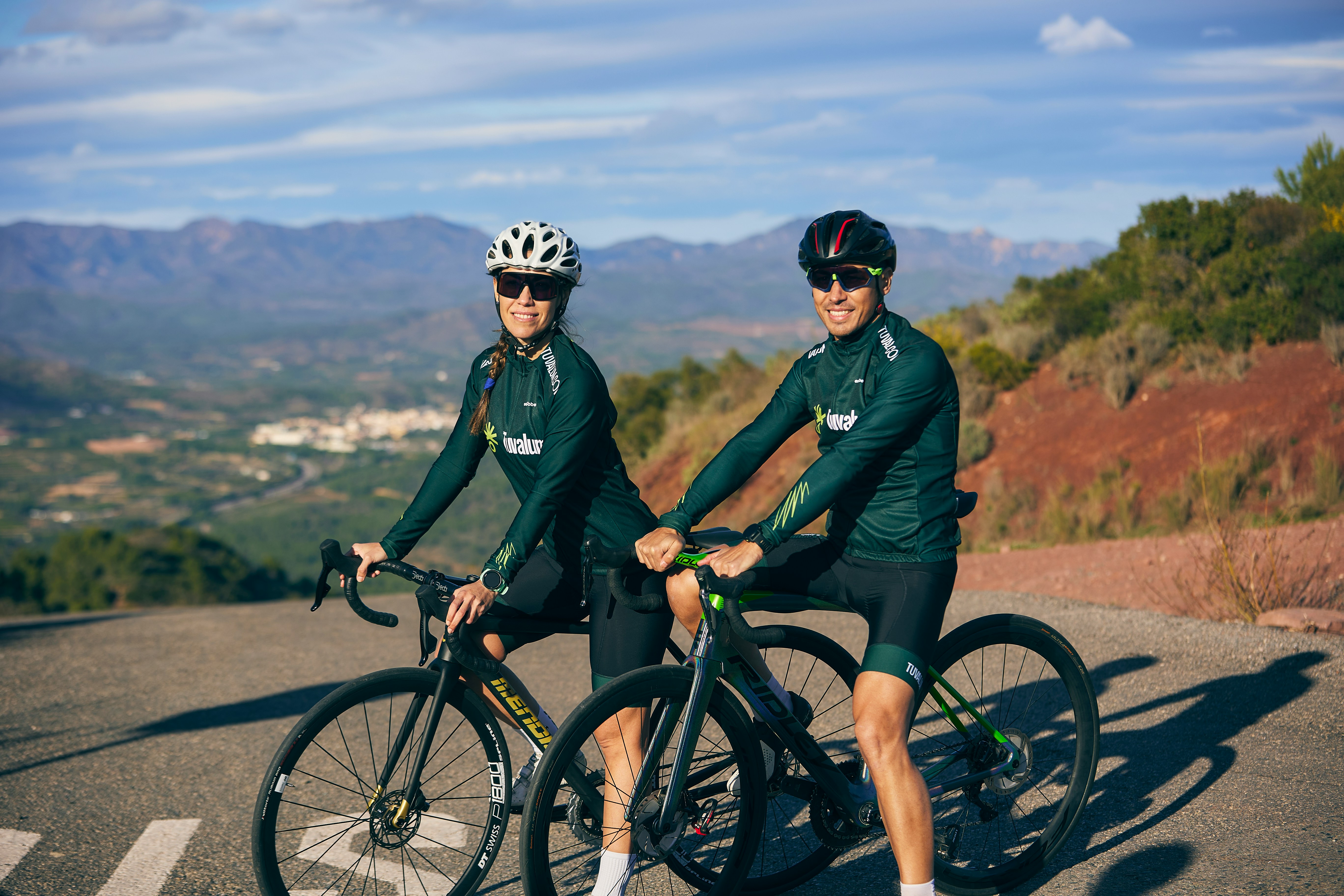
Turn a vague cycling wish into one measurable goal: name the metric, set the deadline, and use one clear next decision each week.
A goal like “get stronger” sounds clear until your plan has to choose tomorrow’s ride. N+One works better when your goal names the output you want, the metric you will track, and the time window for judging progress.
Photo by Dámaris Azócar on Unsplash.
Vague goals fail because they do not tell the system what to change first. “Ride faster” could mean more steady work, sharper short efforts, better pacing, or more rest before key days.
A useful goal links the wanted outcome to a clear metric and a time frame. That gives N+One a way to compare your recent work with the next best step.
If you are new to the app, start with your first N+One setup before you judge any trend. Good inputs make the goal less vague from the first week.
Your recent ride history also matters because it sets the starting point. If you bring in past rides, how N+One uses Strava history can help explain which data points shape the plan.
Write the goal in one sentence.
Name the metric you will track.
Set the date when you will judge it.
Keep one support metric for context.
This turns your wish into one clear next decision.
In N+One terms: a goal is only useful when it turns into an input-output test for your training system.
Pick one primary outcome for the next block, not three hopes at once. A single target keeps the plan clean when work, sleep, weather, or travel shift the week.
Your outcome can be an event finish, a time goal, a power target, or a steady weekly rhythm. The key is that you can tell whether the goal was met.
Set the deadline from your current base and the weeks you can train. For many power or endurance goals, the outline here uses an eight to twelve week window, while skill targets may need less time.
If you are still building routine, the first month without burnout is a better frame than chasing every metric. Your first win is a plan you can repeat.
Pick exactly one primary outcome.
Use one metric to judge success.
Choose a realistic deadline.
Do not stack unrelated goals.
One outcome, one metric, and one deadline become the control knob for your plan.
Pick one clear, measurable goal (e.g., 20-minute sustained power, 50‑mile finish time, or weekly hours).
Data analysis is free, forever. The Dynamic Coach is Pro. Connected to Garmin, Strava, Whoop, and intervals.icu.
A trackable goal needs a baseline test and a repeat test done under similar conditions. Keep the test simple enough that you will not avoid it.
For a power goal, you might choose one steady test that matches the effort you care about. For a distance goal, you might track finish time, stops, or how evenly you paced the ride.
Use one primary metric and one secondary context signal. The primary metric tells you what changed, while the context helps explain why the number moved.
N+One can also help you scan the day before training when you use the Today card numbers. That keeps the test linked to the week you actually lived.
Pick one or two main metrics.
Run a baseline test first.
Add a mid-block check.
Log sleep, load, and missed rides.
In N+One terms: metrics are the sight glass for how your inputs shift the output.
One tactical email with training ideas and product updates. No spam — unsubscribe anytime.
Keep reading
- Install the app and offline use — N+One PWA offline explains how to install the app, what pages and assets are cached for offline use, caching basics, and which features always need a...
- Overview: your home dashboard — What the Overview dashboard shows: training summaries, readiness & load context, quick actions, and when the page redirects to onboarding.
- First login and onboarding — Complete your N+One onboarding: verify email, finish the chat-based profile, connect devices (Strava, Wahoo, WHOOP, Garmin) and get your first adapti...
A plan should change one major input at a time. If you raise volume, add hard days, and change the test, you will not know what worked.
Keep the key intensity tied to the goal, then adjust volume or frequency with care. The outline here uses small weekly changes and a planned mid-block check.
You also need one rollback rule before you feel stuck. A clear rule lowers guesswork when the metric drops and recovery context looks worse.
For a broader view of how the week gets shaped, see how N+One builds workouts. If your day looks too light or too easy, recovery day versus rest day explains the difference.
Change one input at a time.
Keep key intensity stable.
Use one planned mid-block test.
Set one rollback rule in advance.
A rollback rule protects the goal from becoming daily guesswork.
Weekly checks are not a verdict on your worth as a rider. They are a short look at whether your plan still fits the data you have.
Ask one question each week: should the next decision keep intensity, change volume, or hold steady? That is enough for most goal blocks.
Use the dashboard as a fast scan, not a second workout. A quick dashboard read can help you spot the trend before you choose the next ride.
If you want day-to-day guidance without second-guessing, let N+One translate your latest training and recovery context into one clear next decision.
In N+One terms: the weekly check turns data into one next move, not a debate with yourself.
Decision: Pick one primary outcome and one metric you will measure. Commit to a realistic deadline, using eight to twelve weeks for many measurable power or endurance changes.
Baseline week: Do a controlled baseline test for your chosen metric. Record the last seven days of training load, sleep, and rated recovery.
Block plan, weeks one through six: Keep the target interval intensity tied to the baseline test demands. Increase weekly volume only if recovery context stays stable; otherwise hold.
Mid-block check: Compare the mid-block test with baseline. If the metric improved, continue the plan. If the metric fell and recovery worsened, cut volume for seven days and reassess.
Final test and next decision: At the deadline, run the final test under similar conditions. Then repeat the goal, raise it modestly, or shift focus to a different quality.
Turn a vague cycling wish into one measurable goal, then let each week answer one question: keep the plan, adjust the load, or reset the target. Your next move is to name the metric, set the deadline, and run the baseline test.
Choose one primary goal for the current block and treat the others as context. If you chase several unrelated outcomes at once, the plan has less signal to work from.
No. Power can help, but time, distance, ride completion, session count, and perceived effort can also work when you track them in the same way each week.
Do not change it after one poor ride. Reassess on a planned weekly or mid-block check, then make one clear decision from the trend.
Use it anyway if the conditions were safe and repeatable. A baseline is a starting point, not a judgment, and it keeps the next block grounded.
ChatGPT for your training — connected to your wearables.