Garmin Body Battery vs N+One Readiness: When to Trust Which Signal
5 min read

Compare Garmin Body Battery and N+One Readiness, learn what each score means, and use a clear protocol when recovery signals are low or disagree.
On this page
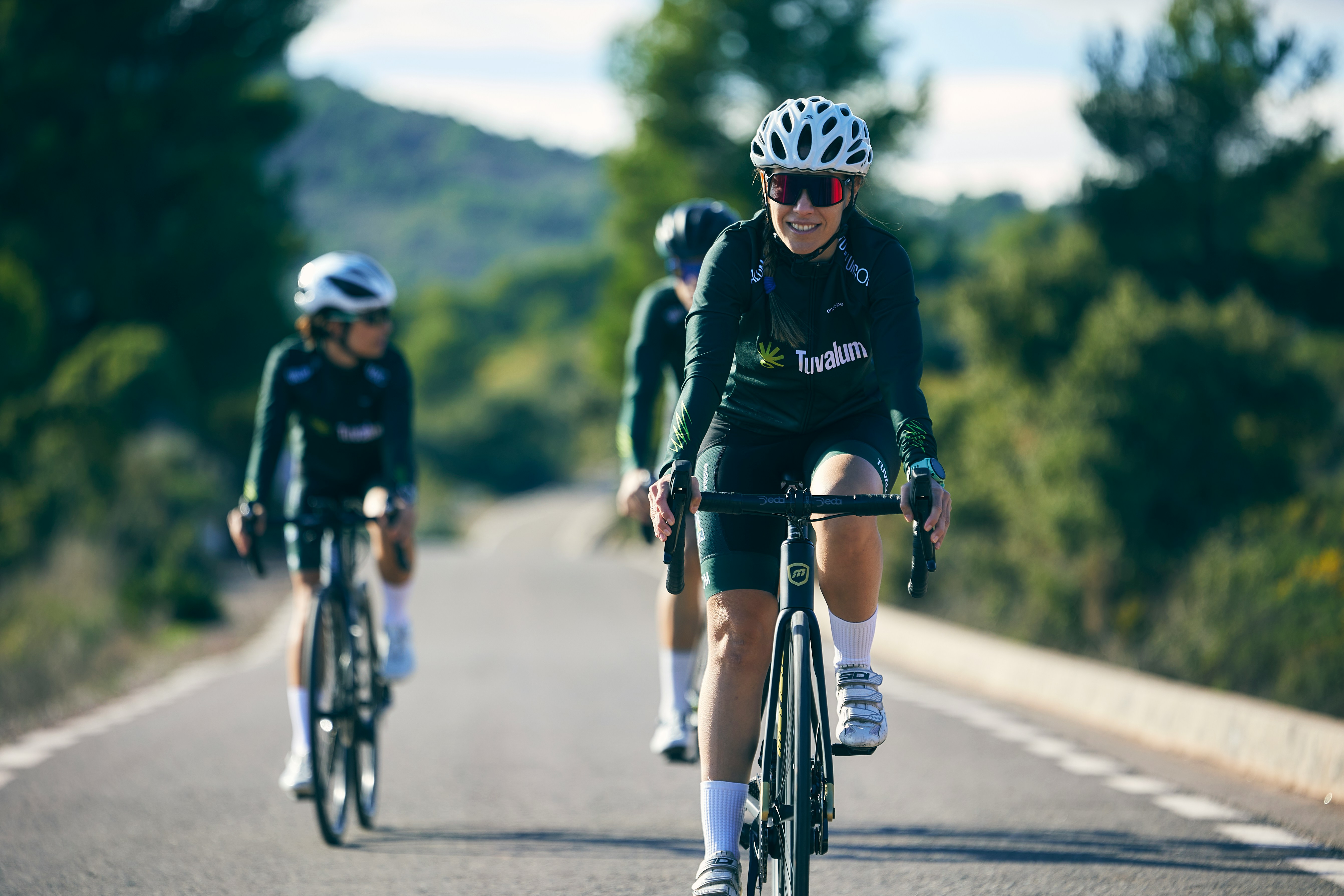
Photo by Tuvalum on .
Garmin Body Battery is a device energy score; N+One Readiness is a training-context decision signal. Trust each for what it measures.
Wearables and coaching tools turn mixed data into simple recovery scores. Direct peer-reviewed comparisons between Garmin Body Battery and N+One Readiness are scarce, so this guide stays narrow: use each signal for its stated job, then make one clear training choice.

Photo by Kato Blackmore 🇺🇦 on Unsplash.
Garmin Body Battery is a vendor score built from device data such as HRV, heart rate, sleep, stress, and activity. Treat it as a same-device trend, not a universal lab value.
N+One Readiness is built for the training choice in front of you. It weighs recent load, recovery inputs, and goals, so the signal points toward session intensity or volume.
If you want the component view, start with how readiness components fit together. For device signals, compare sleep, HRV, and resting heart patterns before you change the workout.
Use Body Battery for same-day energy trend checks.
Use N+One Readiness for workout choices.
Compare scores against sleep, load, and how you feel.
Do not treat either score as a diagnosis.
Trust the signal that matches the choice you must make today.
Body Battery is a device-level energy snapshot; Readiness is the training-aware decision signal.
Body Battery is useful when life stress, poor sleep, or a long day shows up before the ride. Its strength is steady device tracking, especially when you wear the same Garmin each day.
Its limit is training context. A low score after hard intervals may reflect expected strain, while the better question is whether today’s plan still fits.
N+One Readiness is stronger when the decision is about the bike. It can place recovery beside recent training, planned work, and cycling-specific readiness cues.
The limit is that coaching rules can feel cautious when you want to push. If your sense of effort clearly disagrees, log that with manual readiness feedback rather than ignoring it.
Body Battery is best for short-term recovery flags.
Readiness is best for training-plan changes.
Low after a hard day can be expected fatigue.
Use subjective notes when the score feels off.
Data analysis is free, forever. The Dynamic Coach is Pro. Connected to Garmin, Strava, Whoop, and intervals.icu.
One tactical email with training ideas and product updates. No spam — unsubscribe anytime.
Garmin Body Battery estimates short-term physiological energy using HRV, heart rate, stress, and activity—useful for spotting daily auton…
Keep reading
- Garmin Activity Privacy and N+One: Public, Followers‑Only, and Private Sync Behavior — No supplied PubMed source confirms Garmin privacy sync behavior. Use this N+One protocol to test Public, Followers‑Only, and Private before relying o...
- Garmin Edge to N+One: Set Up Auto-Sync So Every Ride Lands in the App — Set up Garmin Edge auto-sync to N+One with a narrow, practical workflow: authorize Garmin Connect, verify a test ride, and fix common sync gaps.
- Reconciling Strava and Garmin Power on the Same Ride in N+One — Strava and Garmin power differ on the same ride? Use one primary Garmin FIT file, inspect the raw trace, and keep your training data consistent.
When both signals are low, do not debate the perfect explanation. Keep the week useful by lowering volume, keeping work easy, and watching the next morning trend.
When Body Battery is low but Readiness is acceptable, keep the planned purpose but shorten the ride. This preserves the training thread while giving recovery more room.
When Readiness is low but Body Battery looks fine, follow the training-aware signal. Swap hard work for sub-threshold riding, skill work, or an easy aerobic session.
If you are coming off a race or overload block, use day-by-day recovery tracking. If repeated low signals stack up, review how recovery weeks are chosen.
Both low: choose easy aerobic work or rest.
Body Battery low only: shorten the planned ride.
Readiness low only: change the session type.
Recheck trends the next morning.
The goal is not a perfect score, but a sound next training move.
When in doubt, follow the training-aware Readiness signal for session-level choices; use Body Battery to flag acute recovery needs.
Day 0 — Decision: If one or both signals are low, follow N+One Readiness if you use it; otherwise choose the conservative plan.
Day 1–3 — Back off cleanly: Cut total riding volume by about one fifth, skip hard intervals, and keep rides easy or rest if fatigue feels high.
Day 4–5 — Add structure carefully: If the morning trend improves, add one controlled sub-threshold session and keep the next ride easy.
Day 6 — Test the system: If scores and legs both look better, ride one short controlled effort below maximal strain, then stop before form fades.
Day 7 — Reassess: Review load, sleep, and score trends. If signals remain low, repeat the easy week or ask a coach to review the pattern.
Use Garmin Body Battery as a short-term device energy flag, and use N+One Readiness when the question is what training to do next.
Not by itself. Use it as a recovery flag, then weigh recent training load and a training-aware readiness signal before changing intensity.
Choose one easy aerobic ride or a rest day, then reassess the next morning. Your threshold did not disappear; the recovery inputs shifted.
Yes, device sensors and algorithms can vary. Treat Body Battery as a trend from your own device, not an absolute score across all riders.
Yes, but make it a logged choice. If the signal feels wrong, record how you feel so the training system has better context next time.
Garmin Body Battery — A Garmin device score that estimates short-term energy from wearable inputs such as HRV, heart rate, sleep, stress, and activity. N+One Readiness — A training-focused signal that brings recent load, recovery inputs, and goals into one coaching decision for the next session. heart rate variability — The beat-to-beat change in heart timing, often used as one input in recovery and stress trend tools. training load — A summary of recent riding stress, usually shaped by how much you rode and how hard those rides were. recovery — The process of returning toward your normal training state after hard work, poor sleep, travel, or other stressors.