Reconciling Strava and Garmin Power on the Same Ride in N+One
5 min read

Strava and Garmin power differ on the same ride? Use one primary Garmin FIT file, inspect the raw trace, and keep your training data consistent.
On this page
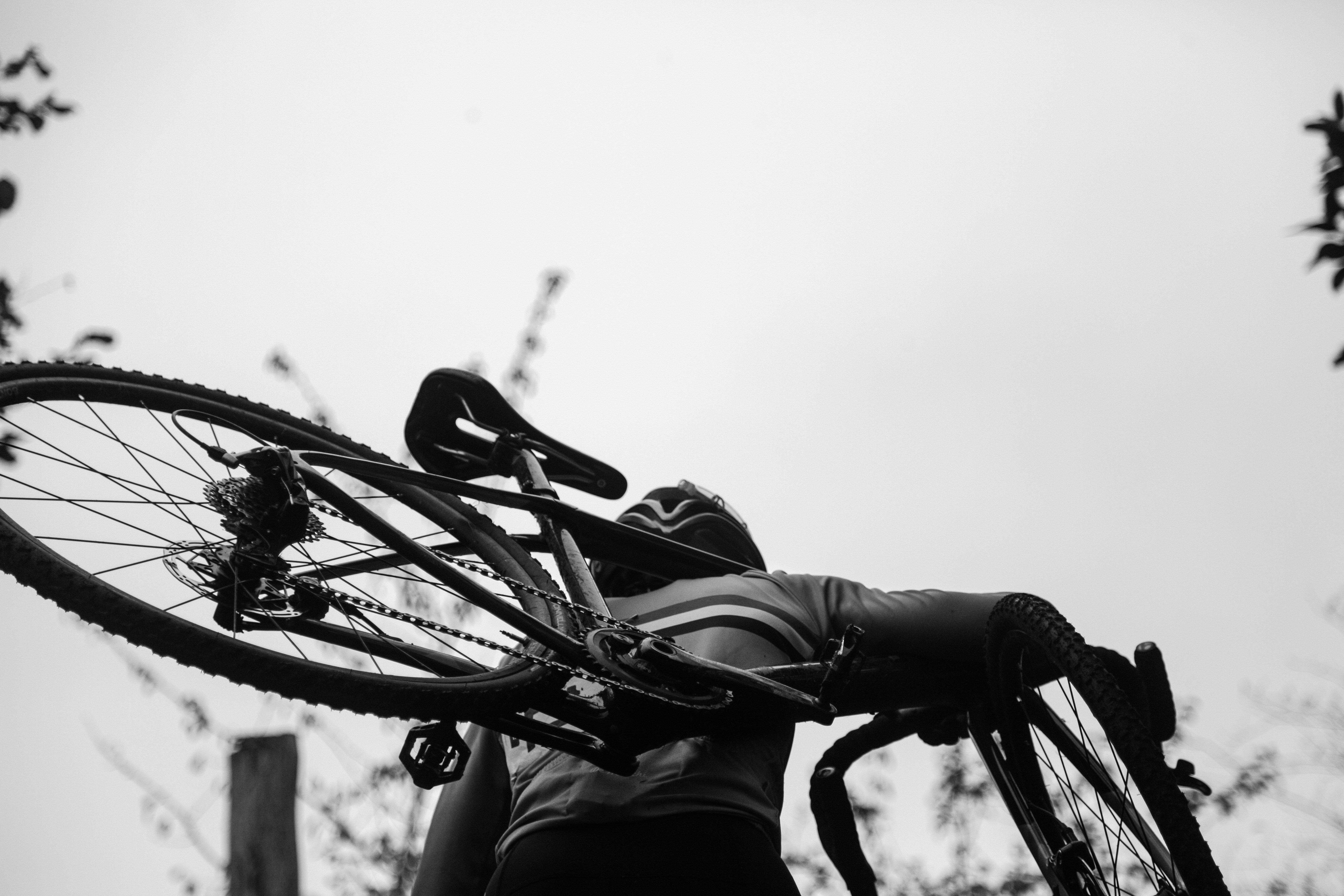
Photo by Nick Bolton on Unsplash.
Strava and Garmin power can differ because each platform handles the same ride file differently. Use one primary FIT file as your training truth.
There is no clear PubMed-indexed evidence, from the supplied search, that directly compares Strava and Garmin power on the same ride. So this guide stays narrow: reconcile files, timestamps, and processing choices before changing training targets.

Photo by Takashi Sakamoto on Unsplash.
When the same ride shows different power in Strava and Garmin, start with the file path. One service may read the head unit file, while another reads a synced or altered copy.
Average power, rolling power, and platform power curves can also come from different rules. If you want a deeper N+One view, compare this with why power curves can differ.
Do not treat the mismatch as a fitness change. Treat it as a data trace that needs one source of truth.
Check which file each platform used.
Look for gaps, spikes, or duplicate power streams.
Compare timestamped watts before comparing summaries.
Keep one file as the source of truth.
The goal is not perfect agreement, but a stable training signal.
In N+One terms: the training signal is intact; the measurement and processing layer needs alignment.
The cleanest fix starts before you roll out. Pick one primary recorder, usually your Garmin head unit, and let that device own the power stream.
Pairing the same meter to many devices can make later checks harder. If this keeps happening, review dual-recording pairing conflicts before your next ride.
A backup file is still useful. Record it without making it the power source you trust for training metrics.
Choose one primary recorder before the ride.
Pair the power meter to that recorder first.
Use a watch or phone only as backup.
Sync device time before pressing start.
One recorder lowers the chance that two platforms build two versions of the ride.
No direct PubMed-indexed studies were found that compare Strava vs Garmin power for the same ride—so evidence is limited.
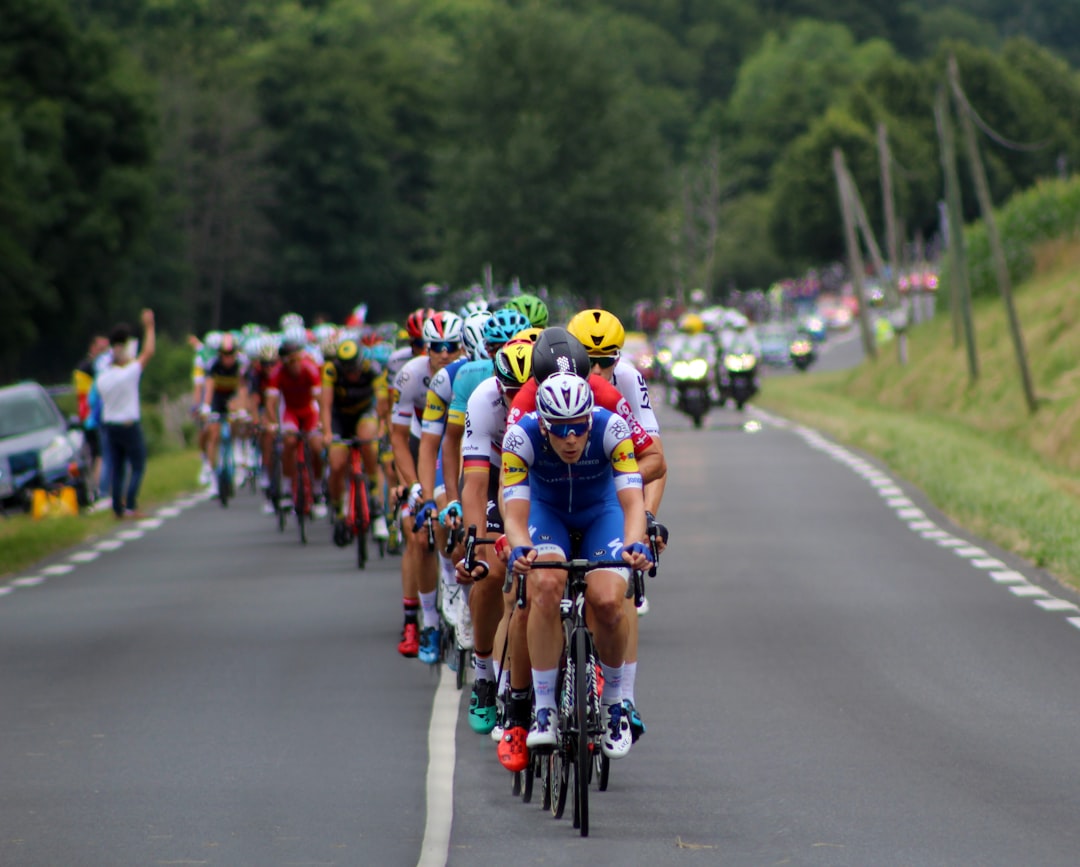
Photo by Rob Wingate on Unsplash.
Data analysis is free, forever. The Dynamic Coach is Pro. Connected to Garmin, Strava, Whoop, and intervals.icu.
A platform summary is only as good as the stream behind it. If the power meter was not paired cleanly, the uploaded ride may already be compromised.
Keep calibration checks simple and tied to your device maker’s guidance. For N+One setup notes, use pairing a meter over ANT+ or Bluetooth and calibration as an FTP foundation.
If Strava used estimated power instead of meter power, do not blend it with Garmin’s measured file. Use the measured stream for training and treat estimated power as a separate signal.
Confirm the ride used measured power.
Check whether Strava marked power as estimated.
Use the power meter stream for training.
Do not average two different source types.
In N+One terms: do not average a measurement with an estimate and call it precision.
After the ride, export the Garmin FIT from the primary recorder. Then compare the raw trace, not only the headline average.
Open the file in a FIT viewer such as Golden Cheetah or another tool you trust. Look for missing sections, sharp spikes, time shifts, or a second power stream.
If N+One is part of your workflow, first confirm how Strava import verifies power. Then check whether the same canonical file reached each service.
Export the primary Garmin FIT.
Inspect the trace for gaps or spikes.
Keep the clean file as canonical.
Upload that same file to both services.
Add a short ride note for later.
The clean FIT becomes the training truth you can trust next week.
One tactical email with training ideas and product updates. No spam — unsubscribe anytime.
Keep reading
- Pedal Smoothness and Left-Right Power Balance: What Cyclists Should Actually Track — Learn how to use left-right power balance and pedal smoothness without chasing noise. Track trends, confirm signals, and use one clear drill protocol...
- Indoor vs Outdoor Workout Targets in N+One: Adjusting for Trainer Calibration — Indoor and outdoor cycling targets can differ. Learn how to run one paired calibration session, apply the measured offset, and keep N+One targets ali...
- Comparing Two Workouts Side‑by‑Side in N+One: A Cyclist Walkthrough — Step through a focused side-by-side comparison of two rides in N+One, compare the same metrics, check context, and choose one clear next move.
If Strava shows lower average power, first check whether it read a different file. Upload the primary head unit FIT again if needed.
If Garmin shows spikes that the head unit screen did not show, inspect for duplicate streams or a noisy recording. Do not change training zones from one suspect file.
If the ride arrived late in N+One, wait for the sync path before rebuilding the workout by hand. The guide to when synced rides appear can help set that expectation.
Lower Strava power: re-upload the head unit FIT.
Garmin spikes: inspect for duplicate streams.
Late sync: wait before manual edits.
Suspect file: do not reset zones from it.
The supplied PubMed search did not show direct studies comparing Strava and Garmin power outputs on the same ride. That limits what this article can claim.
This guide does not make new physiology claims. It focuses on file handling, source choice, and a repeatable workflow for cleaner training records.
When you need device-level proof, search PubMed for your exact power meter model and power accuracy. Use indexed validation work when it exists, not forum averages.
In N+One terms: when the evidence is thin, make the workflow cleaner and the claim smaller.
Day 0: Select your primary recorder, pair the power meter to that device, and sync device time and firmware.
Day 1: Ride steadily for 60–90 minutes with the primary recorder active and a backup file running without paired power.
Day 2: Export the primary FIT file and inspect it for gaps, spikes, time shifts, or duplicate streams.
Day 3: If needed, clean the FIT file, then upload that same file to Garmin Connect and Strava.
Day 4–7: Use the same recorder workflow for the next three rides and note any platform mismatch before changing training decisions.
When Strava and Garmin power disagree, do not chase the larger or smaller number. Trust one primary Garmin FIT file, inspect the raw power trace, and use that cleaned file as your training truth.
Trust the original measured power source first, usually the Garmin FIT recorded from your paired power meter. Use Strava for sharing unless it reads the same canonical file.
Not by itself. A mismatch can come from file source, smoothing, estimated power, gaps, or duplicate streams, so check the data path before changing zones.
No. Averaging two processed summaries can hide the real issue. Pick the clean measured file, then use that file across platforms.
Keep the primary recorder FIT as canonical, add a ride note, and watch the next few rides. If the issue repeats, check pairing and calibration before training changes.