Comparing Two Workouts Side‑by‑Side in N+One: A Cyclist Walkthrough
5 min read

Compare two rides side-by-side in N+One by goal, load, intensity, and recovery, then use a seven-day protocol to make one clear next move.
On this page
Compare two rides by goal, load, intensity, and recovery, then make one clear next move in N+One.
A side-by-side workout view helps you move from “that felt different” to a cleaner choice. You line up two sessions, check the same fields, and choose the next training step without chasing every number at once. Because the grounding source is a PubMed search page rather than a named study, this guide keeps physiology claims narrow and focuses on app use, training logic, and conservative interpretation.

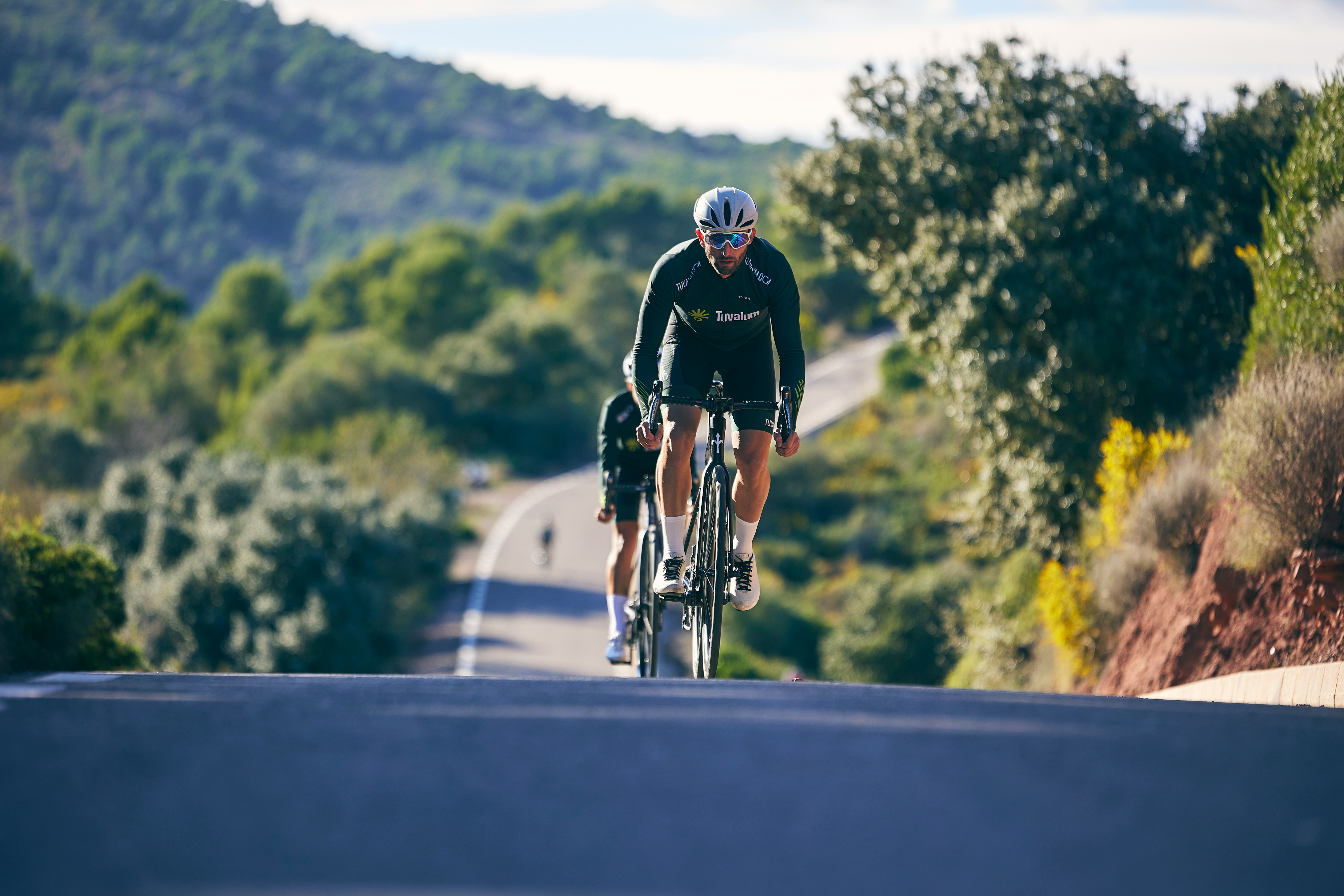
Photo by Rodion Kutsaiev on Unsplash.
A single workout shows what happened that day. A side-by-side comparison shows whether the same kind of session still fits your current week.
Start with the workout goal before you judge the file. A threshold session should be compared with another threshold session, not with an easy spin or a long aerobic ride.
In N+One, the comparison helps you scan load, intensity, duration, and recovery notes in one place. If you need the base view first, start with understanding a workout file before you judge a pair of rides.
This is not a verdict on your fitness. It is a way to read one training choice against another, then act with less noise.
Pair workouts with the same goal.
Check load, intensity, duration, and notes.
Treat one comparison as a signal, not proof.
Decide one next move before adding more data.
A clean comparison gives you one clear next move.
In N+One terms: the comparison is a diagnostic, not a judgement.
Pick two candidate rides from a close training window. In autumn, this may mean two late-season race prep sessions or two base-transition rides done under shorter daylight.
Open the first ride, then bring the second into the side-by-side view. Check planned intent, duration, TSS, IF, zone spread, and your own notes before you look for a story.
Next, compare the main intensity marker you trust for that ride. If power looks odd, check setup and the workout detail before reading the result too hard.
The goal is not to rank the sessions. The goal is to see whether the workout fit your current capacity, recent load, and recovery picture.
For a deeper look at one file before pairing it, use a single-workout quality check. For the wider pattern, compare the pair with twelve weeks of training trend data.
Confirm both workouts share the same intent.
Compare TSS and IF before small details.
Scan intensity distribution for hidden spikes.
Read sleep, notes, and recent load together.
Flag any route, device, or weather change.
In N+One terms: the numbers tell you whether your system tolerated the previous input or whether recovery inputs shifted the tolerance.
Start with a clear goal for the workout (e.g., VO2 effort, threshold, recovery ride).
Data analysis is free, forever. The Dynamic Coach is Pro. Connected to Garmin, Strava, Whoop, and intervals.icu.
Once the two rides are aligned, choose the next action from the pattern, not from one field alone. Power, load, and recovery context are stronger together than any single metric.
If intensity and recovery both look steady, keep the planned intensity and avoid extra work. If recovery looks marginal, keep the key stimulus but trim the session so the week does not drift.
If output drops while effort feels higher, do not turn that ride into a personal judgement. Check the wider load picture with training stress balance basics, then change only one input.
A simple rule works well for this walkthrough: keep intensity, cut volume for seven days, then reassess. That gives the next comparison a cleaner signal.
Stable output and stable recovery: keep the plan steady.
Marginal recovery: keep intensity but cut volume.
Lower output with higher effort: add one easy day.
Better output: do not add extra load right away.
Recheck with a like-for-like session.
The next move should protect the signal, not chase the best-looking file.
One tactical email with training ideas and product updates. No spam — unsubscribe anytime.
Keep reading
- Power Duration Curve in N+One: Spotting Strengths and Limiters for Cyclists — Learn how to read your Power Duration Curve in N+One, spot cycling strengths and limiters, clean your data, and choose one clear next training move.
- Personal Records in N+One: How the App Detects Breakthrough Efforts — PubMed shows no direct documentation of N+One PR detection. Learn how to verify sync, inspect ride files, and ask support for clear PR criteria.
- Comparing This Month to Last Month in Performance Trends — Without Cherry-Picking — Learn how to compare this month to last month without cherry-picking: lock metrics, smooth noise, tag confounders, and choose one clear next move.
The first pitfall is comparing unlike workouts. A short VO2-style session and a long endurance ride can both be useful, but they answer different questions.
The second pitfall is over-reading one metric. If TSS changed, ask whether duration, intensity distribution, or route made that shift before you rewrite the week.
The third pitfall is missing context. Travel, poor sleep, device changes, and a new route can all make two rides look less alike than they are.
N+One notes are useful here because they keep the reason close to the workout. You can also check fitness, form, and freshness together before you decide.
Compare like-for-like sessions first.
Use at least two signals before changing course.
Write one short note after each ride.
Separate device issues from training signals.
In N+One terms: annotations are cheap insurance for interpretation.
A side-by-side check is most useful when it feeds the next week, not just the workout archive. The question is whether the next ride still matches the goal and your current state.
If the pair points to steady tolerance, hold the planned work and avoid adding extra stress. If the pair points to drift, lower volume while keeping the main training goal intact.
This is where the comparison links to planning. Use how N+One builds a weekly cycling plan to place the next ride inside the full week, not as a stand-alone test.
If you save strong repeatable sessions, compare them against today’s context before you reuse them. A favorite workout should still match the current block, daylight, and recovery picture.
Decision rule: if your two-session comparison shows stable intensity and stable recovery, keep planned intensity and cut total volume by 20% for the next seven days if you sense drift. If intensity dropped by more than 5% and recovery worsened, keep intensity targets, cut session volume by 20% for seven days, and add one easy day.
Days 1–3: ride two easy aerobic sessions and one controlled intensity session at planned targets, but make the hard work 20% shorter. Keep notes on sleep, effort, soreness, and setup so the next comparison has context.
Days 4–7: add one full planned hard session only if readiness and perceived effort have improved. If they have not, keep the reduced version and avoid adding load to make up for missed work.
Day 8: compare a new workout to the baseline pair. If the session matches its goal and recovery inputs improved, return to normal volume; if not, repeat the reduced-volume block and use coach context before changing more.
Compare two rides by goal, load, intensity, and recovery, then make one clear next move. In N+One, the side-by-side view works best when you match session intent, read context, choose a seven-day adjustment, and reassess with another like-for-like ride.
You can, but the answer is cleaner when both rides share the same training intent. Compare threshold with threshold, endurance with endurance, and recovery with recovery whenever you can.
Check duration and intensity distribution before you act. A shorter, spikier ride can look different from a smoother ride with the same broad goal.
No. Treat one comparison as a signal, not a verdict. Make one short adjustment for seven days, then compare again before changing the block.
No. You need clear notes. If route, weather, sleep, equipment, or start time changed, record it so the side-by-side view has context.