Personal Records in N+One: How the App Detects Breakthrough Efforts
5 min read

PubMed shows no direct documentation of N+One PR detection. Learn how to verify sync, inspect ride files, and ask support for clear PR criteria.
On this page
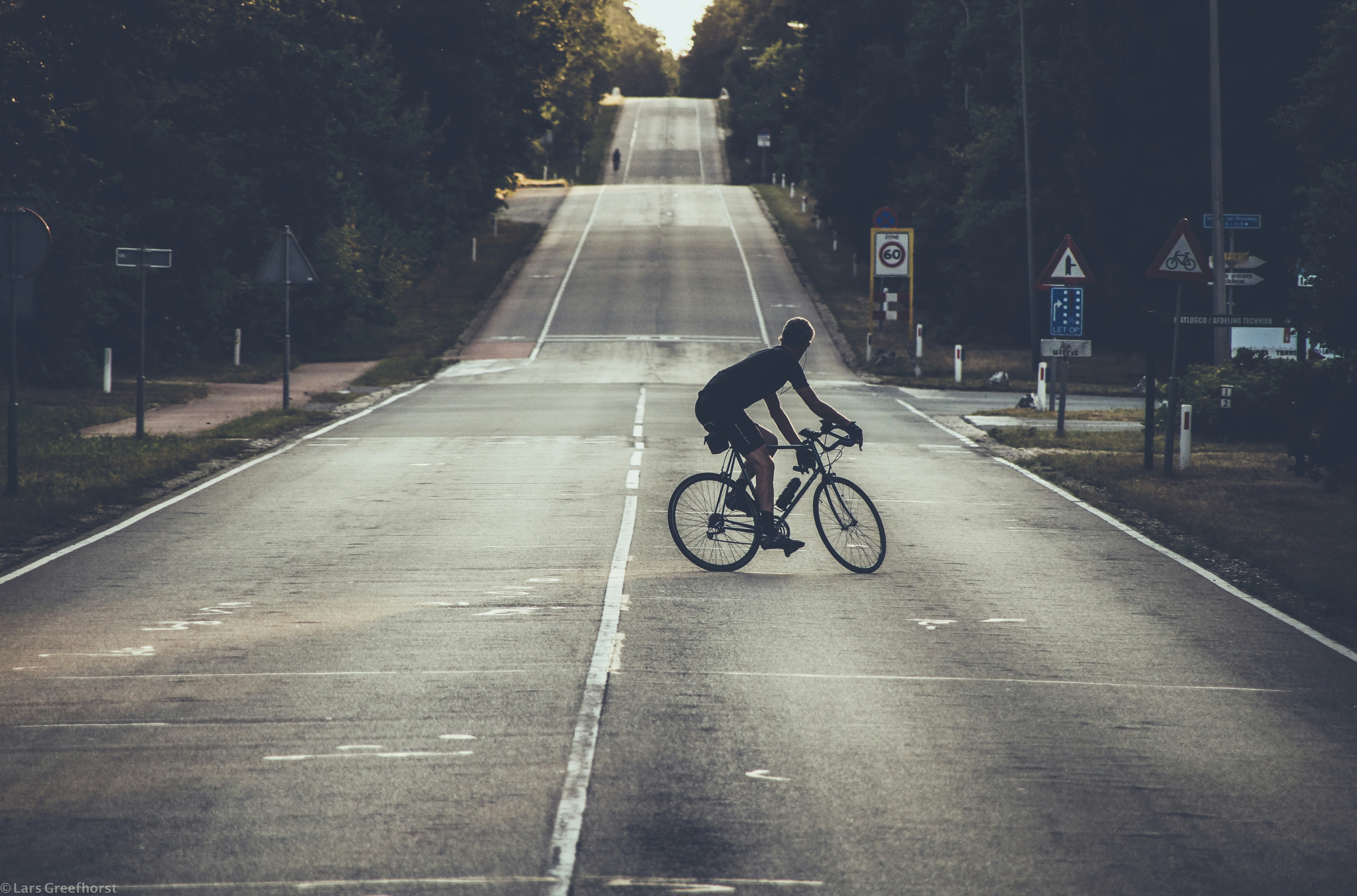
Photo by Lars Greefhorst on Unsplash.
PubMed shows no direct documentation of N+One PR detection. Your next move is to verify sync, settings, and support guidance.
This refresh keeps the original promise: explain what can be known about Personal Records in N+One without inventing private product rules. The only grounded source supplied is a PubMed search page, and it does not show indexed research that documents N+One’s PR-detection algorithm. That means this guide stays narrow: how to audit your data, what to ask support, and how to use a PR label without overreacting.
The supplied PubMed source does not define an N+One Personal Record, so this article cannot state the app’s exact rule. A safe working view is simpler: a PR label should point to a best recorded effort in a known metric, checked against clean ride data.
That distinction matters when a single ride looks better than your recent norm. Before you change zones or plans, compare the ride with the full file in the session detail view, then note route, device source, and effort feel.
If you track fitness over time, keep the PR beside trend data rather than a lone badge. A record means more when it fits longer progress signals instead of one odd file.
Check the activity source before trusting the PR label.
Match the record to one metric, not mixed signals.
Add notes on route, wind, drafting, and device setup.
Ask support for the formal N+One PR rule if the label is unclear.
Clean files turn a PR from a badge into a useful training signal.
A PR is where your recorded performance outpaces your tracked baseline under measurement you can trust.
Photo by Munbaik Cycling Clothing on Unsplash.
The supplied source does not list the signals N+One uses, so exact weighting would be guesswork. Still, your own review should start with the ride file, because power, speed, heart rate, cadence, and GPS can all be affected by device setup.
Treat each signal as evidence, not proof. If a power peak appears without a steady cadence trace, or a speed best came from a windy route, the record deserves a closer look before it guides training.
A power curve can help you see whether the effort sits within your real pattern. If two apps show different records, use why power curves can differ before you assume either view is wrong.
Check wearable sync before reviewing the record.
Scan for dropouts, pauses, and clear spikes.
Compare the effort with the same metric type.
Review power, cadence, speed, and route together.
Power may be the main signal, but the ride file and context are the fact-checkers.
A PubMed search returned no indexed studies that directly document N+One’s PR‑detection algorithm.
Data analysis is free, forever. The Dynamic Coach is Pro. Connected to Garmin, Strava, Whoop, and intervals.icu.
No supplied source documents N+One’s private detection logic, confidence scoring, or baseline rules. That matters because a confident article should not turn an unknown product heuristic into a claimed fact.
What you can do is ask for the rule behind the label. Request the formal PR criteria, the comparison window, and an export of workouts marked as PRs, then check those files against your device history.
When you inspect the data, compare similar rides side by side rather than relying on memory. The workflow in side-by-side workout review can help you spot whether the new best looks real or only different.
Ask support for PR criteria or a whitepaper.
Request an export of PR-marked workouts.
Check the comparison window used for each record.
Do not infer private rules from one label.
The clean next move is to get the rule before changing the plan.
A valid attempt is easier to judge when you cut noise before the ride. Keep the setup steady, pick a familiar course or trainer, and avoid changing sensors on the same day.
If you are carrying fatigue, the effort may not show your current ceiling. Review freshness with fitness, form, and freshness signals, then decide whether the attempt should happen now or after easier riding.
Late-season rides often bring shorter daylight and mixed weather in the Northern Hemisphere. Choose a safe, repeatable route so traffic, cold starts, or fading light do not distort the file.
Use the same trusted sensor path you normally use.
Pair devices before the warm-up, not at the start line.
Choose a controlled course or trainer.
Keep pacing steady for the target effort.
Save the whole ride without needless pauses.
Keep the system inputs clean so the app and coach can trust the output.
One tactical email with training ideas and product updates. No spam — unsubscribe anytime.
Keep reading
- Power Duration Curve in N+One: Spotting Strengths and Limiters for Cyclists — Learn how to read your Power Duration Curve in N+One, spot cycling strengths and limiters, clean your data, and choose one clear next training move.
- Training Stress Balance in N+One: Reading CTL, ATL, and Form Without the Jargon — Learn CTL, ATL, and Form in plain English, then use Training Stress Balance in N+One to choose your next ride without chasing daily noise.
- Recovery Weeks in N+One: How the App Decides You Need One — Learn how N+One decides you need a recovery week, which signals it weighs, and the clear seven-day next move when the app lowers your load.
If N+One does not flag a ride you believe was a record, do not assume the effort failed. Your threshold did not disappear; the detection inputs may have shifted, so the output dropped.
Common issues include a missed wearable sync, a partial ride file, a changed device source, or an effort that does not match the app’s record category. Because the source does not document N+One’s rules, treat the miss as a data audit, not a verdict.
Start with the ride itself. Use a single-workout deep dive to inspect pacing and variability, then ask support whether the session can be reviewed or annotated.
Confirm the wearable synced the full session.
Check whether the ride came from the expected source.
Look for gaps, edits, or late device pairing.
Annotate the effort type if the app allows it.
Send support the file and the expected PR metric.
A missed label is a prompt to audit the file, not to doubt the work.
A PR is most useful when it changes one next choice, not the whole week. If the file is sound, let it sharpen your view of current ability while the plan still protects recovery.
Do not add hard work just because a banner felt good. Place the record beside recent load, sleep notes, and your next planned session, especially if the ride came after racing or a hard block.
When progress slows, trend context matters more than emotion. Pair the record with month-to-month trend checks so one strong day does not hide the larger pattern.
Keep the next workout close to the plan.
Review recovery notes before adding intensity.
Use one strong ride as evidence, not proof.
Wait for trend support before changing targets.
The PR is an input to the training system, not permission to chase every ride harder.
Day -7 to -2: Reduce total training load slightly compared with your usual week, while keeping short intensity if it is already planned.
Day -2: Check sensor batteries, pairing, and calibration prompts. Confirm that power, cadence, heart rate, and GPS record as expected.
Day -1: Ride easy or rest according to your plan. Keep equipment unchanged so the attempt day has fewer moving parts.
Attempt day warm-up: Build gradually, include a few short hard efforts, and check that the live data trace looks stable.
Attempt day effort: Use a controlled route or trainer, pace evenly, record the full session, and avoid needless device pauses.
Post-attempt: Save the ride, add notes, check the file, and contact support if N+One does not flag the expected PR.
PubMed shows no direct documentation of N+One PR detection, so the exact algorithm should not be invented. Verify sync, settings, and ride-file quality first, then ask N+One support for the formal PR criteria and an export of marked workouts.
No. The supplied PubMed source does not document N+One’s exact PR-detection method, so this article keeps the claim narrow instead of guessing.
Check that the wearable synced the full file, inspect the activity for gaps or source changes, then contact support with the ride file and expected PR metric.
No. Treat a PR as a prompt to review data quality and context. Change training only when the record is sound and the next decision is clear.
Ask for the formal PR-detection criteria or whitepaper, plus an export of workouts the app marked as PRs. That gives you a rule-based review path.