Indoor vs Outdoor Workout Targets in N+One: Adjusting for Trainer Calibration
5 min read

Indoor and outdoor cycling targets can differ. Learn how to run one paired calibration session, apply the measured offset, and keep N+One targets aligned.
On this page
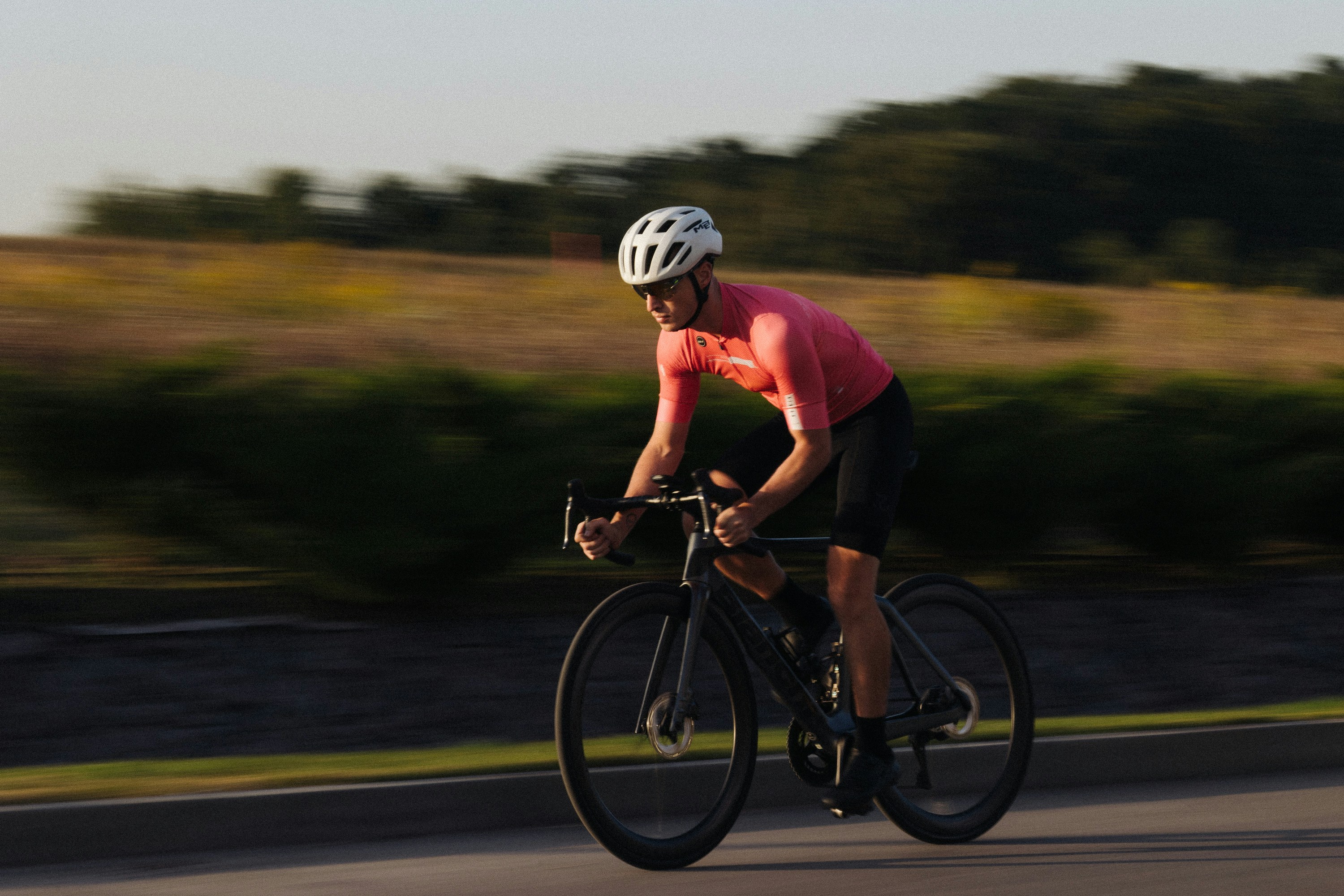
Photo by Oleg Kukharuk on Unsplash.
Indoor trainers and outdoor rides can show different power for the same effort. Pair one steady calibration session, then apply the offset to your next block.
Your threshold did not vanish when indoor targets feel wrong. The measuring system may have changed, so N+One needs enough context to keep the workout aim clear while the numbers get checked.
Indoor and outdoor rides can report different power because the sensor, setup, and ride setting change. That does not mean your fitness changed overnight.
A smart trainer, a crank power meter, and a hub unit may each read the same ride in a slightly different way. If you want the deeper setup view, start with better power meter setup before changing your zones.
Cooling, position, and room heat can also change how hard a ride feels. Treat indoor and outdoor ride data as related streams, not one perfect mirror of the other.
Use the same bike setup when you compare indoor and outdoor rides.
Check which device is set as the power source before each key ride.
Use fan and room setup notes when indoor effort feels oddly hard.
Do not reset FTP from one odd trainer file alone.
In N+One terms: the training system around you shifted a sensor, not your physiology.
In N+One terms: the training system around you shifted a sensor, not your physiology.
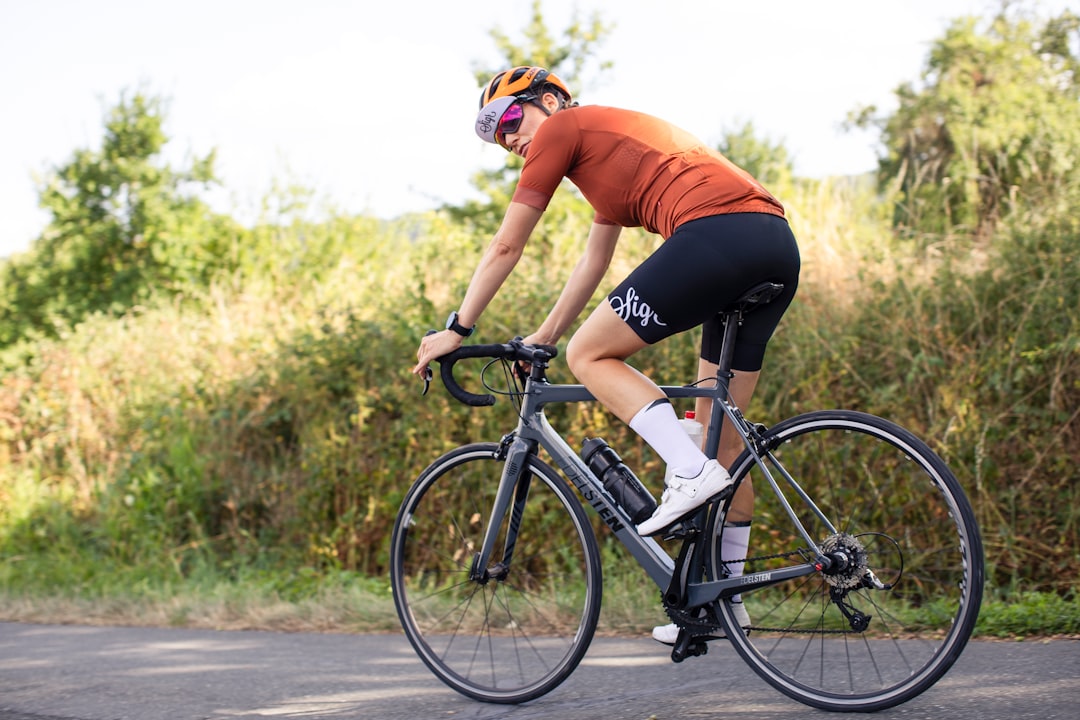
Photo by Markus Spiske on Unsplash.
The best clue is a repeatable gap, not one bad day. Compare steady efforts that feel the same, then look at power, heart rate, and notes together.
Use one clear test route or one trainer workout, and keep the warmup, gear, and fan setup the same. You can then use side-by-side workout checks to spot a pattern instead of chasing noise.
If the same effort keeps giving different numbers, your next move is calibration. If the gap only appears after poor sleep or heavy work, move the session instead of blaming the trainer.
Pick one steady test you can repeat without surges.
Record power source, fan setup, gear choice, heart rate, and RPE.
Compare similar efforts before you change FTP.
If fatigue is obvious, reschedule the hard ride first.
Trainer and outdoor metrics can diverge due to calibration, cooling, and drivetrain differences; treat them as systematic offsets, not at…
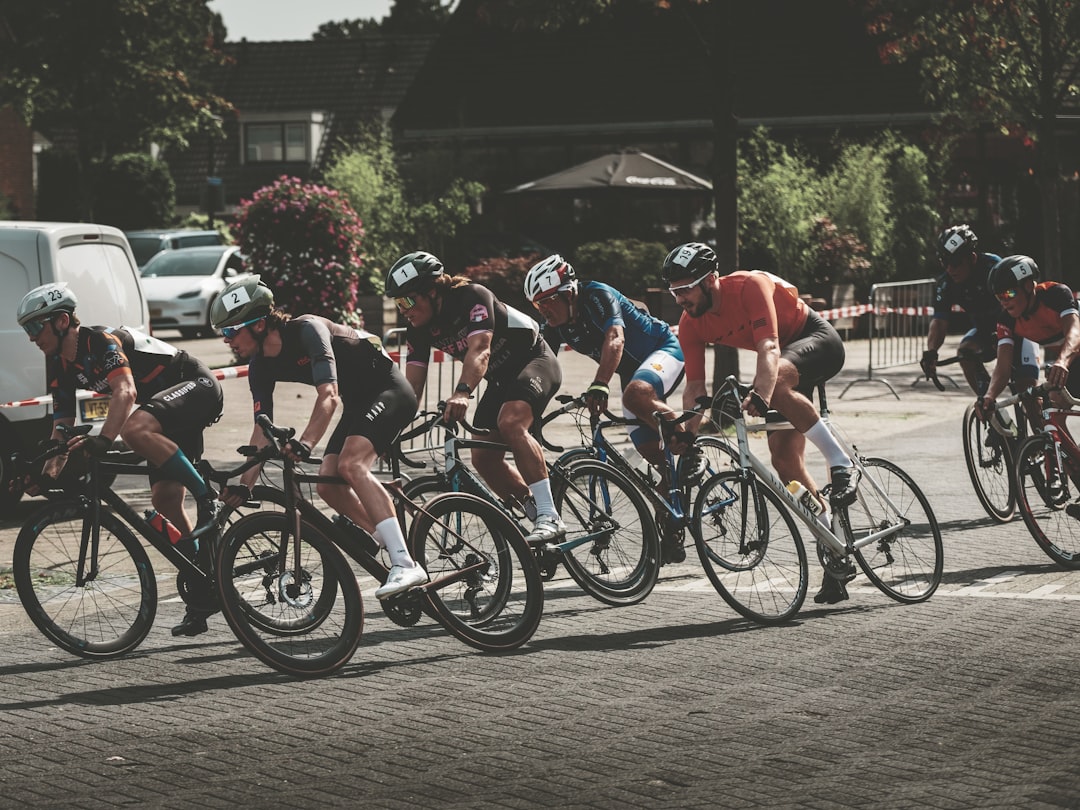
Photo by Haberdoedas II on Unsplash.
Data analysis is free, forever. The Dynamic Coach is Pro. Connected to Garmin, Strava, Whoop, and intervals.icu.
Start with the simple checks before you rewrite the plan. Update the trainer app, confirm the paired sensor, and run the maker’s calibration step when your model calls for it.
If your bike has a power meter, compare both devices during one steady block. Keep the same cadence range, stay seated, and avoid sprint surges that make the file hard to read.
N+One works best when your files come from known sources. If your upload path changed, verify the data stream with activity import power checks before you change workout targets.
Run the trainer maker’s calibration step before the next key session.
Confirm whether N+One received trainer power or bike power.
Keep firmware and app versions current.
Use one paired comparison before changing all targets.
In N+One terms: recalibrate the sensors, then let your recovery inputs and outputs realign.
In N+One terms: recalibrate the sensors, then let your recovery inputs and outputs realign.
One tactical email with training ideas and product updates. No spam — unsubscribe anytime.
Keep reading
- Power Meter Calibration: Practical Best Practices for Accurate Cycling Data — Power meter calibration explained: zero offset, torque and crank setup, temperature compensation, and troubleshooting to keep your power data reliabl...
- Power meter precision: Defeating drift on long rides — Keep Zone 2 honest. Practical, science-based steps to prevent power meter drift on multi-hour rides—temperature compensation, torque checks, battery...
- Winter Cycling Training: Stay Motivated Indoors with Zwift and the Right Gear — Winter cycling training that actually sticks: use Zwift, structured sessions, smart gear, and adaptive planning to protect fitness, train with purpos...
Change targets only after the gap shows up more than once under similar conditions. Your aim is to keep the workout stress in the right lane, not defend a number.
When indoor power reads high for the same effort, lower the indoor target by the measured offset. When indoor power reads low, raise the target by that same measured offset and watch effort notes closely.
Keep the change through the next short block, then test again. If the week also needs a move, use a clean hard-session shift rather than stacking stress on tired legs.
Use the measured offset from your paired ride.
Keep intensity intent the same after the target change.
Hold the change for the next short block.
Retest before making a second target change.
Good coaching depends on knowing what made the number. A trainer file and a crank power file can both be useful, but they should not be mixed without notes.
Mark the power source in your ride notes when the device changed. If you rely on planned workouts in N+One, this helps the next target match the real ride context.
The cleanest habit is boring and strong. Use the same source when possible, log changes when not, and let your weekly plan logic work from stable inputs.
Log the power source after each key session.
Tell your coach when hardware or apps change.
Keep indoor and outdoor test notes in one place.
Avoid mixing sources without a note.
Step 1 — Baseline: Ride one steady calibration block outdoors with your usual power source, or indoors if outdoor riding is not safe. Record average power, normalized power if available, heart rate, and RPE.
Step 2 — Compare and decide: Repeat the same steady block on the trainer after the maker’s calibration step. If the power gap is repeatable while heart rate and RPE feel matched, use that measured offset for indoor targets.
Step 3 — Apply and monitor: Keep the workout aim the same for the next week. Track heart rate, RPE, and completion quality, then avoid changing FTP from one file alone.
Step 4 — Reassess: Repeat the same check after the short block. If the gap remains unclear, compare the trainer against a bike power meter or have the trainer checked.
Indoor trainers and outdoor rides can show different power for the same effort, so treat the gap as a system offset first. Do one paired steady calibration session, apply the measured offset to the next block, and reassess before changing FTP.
Only if your paired tests show a repeatable gap that stays after calibration. If the gap is not repeatable, keep one FTP and use notes to flag odd files.
Check cooling, room heat, and fatigue before you change targets. If effort and heart rate stay high after better setup, lower the indoor target by the measured offset and reassess.
Yes, but the file context matters. Log the new trainer, power source, and calibration step so N+One can read the next rides against the right background.
A power meter makes comparison cleaner, but you can still use steady trainer tests, heart rate, and RPE notes. Keep the setup fixed so the trend is easier to read.