When N+One Tells You to Sleep More: How the App Builds That Recommendation
5 min read

Learn why N+One may ask you to sleep more, what data likely shapes the recommendation, and the seven-day reset to follow before reassessing.
On this page

Photo by atelierbyvineeth ... on Unsplash.
N+One may ask for more sleep when recent sleep, load, and recovery signals point to lower readiness.
The supplied PubMed search does not show a PubMed-indexed description of N+One’s exact sleep recommendation algorithm. This article explains the likely coaching logic in plain terms, states what is uncertain, and gives you one clear next move when the app asks you to sleep more.
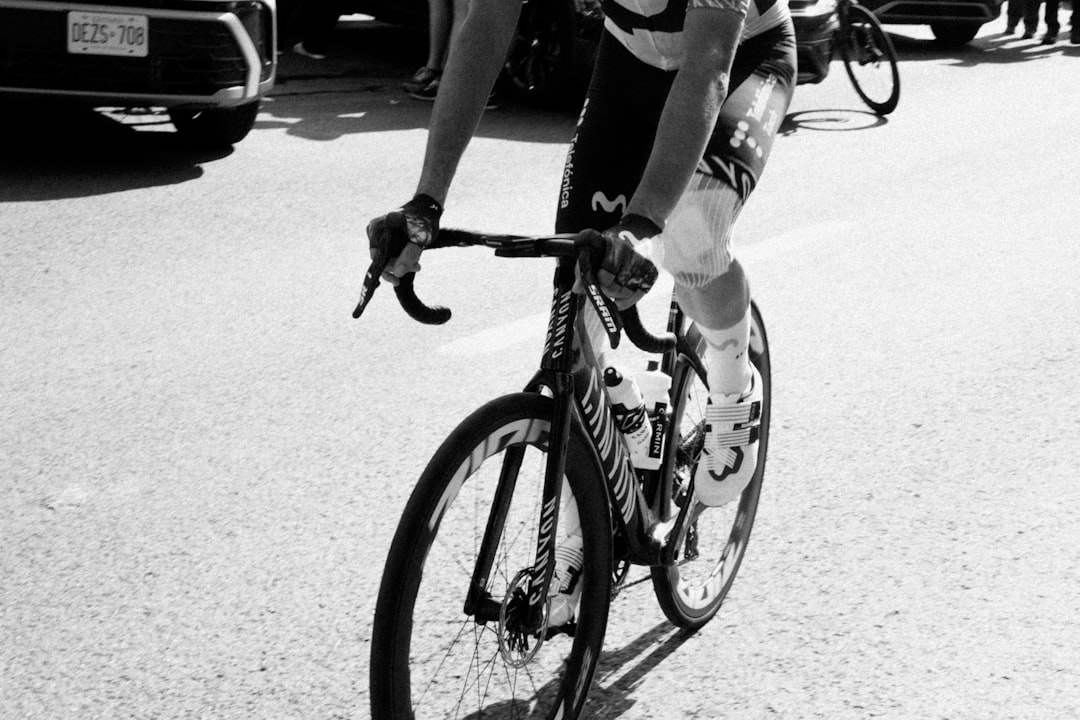
Photo by Mathias Reding on Unsplash.
A sleep recommendation is a training-system call, not a judgment on your drive or grit. N+One treats sleep as one input around your work, much like easy days and food logs.
When sleep looks short while load stays high, the app may protect the next block by asking for more rest. That logic sits beside other recovery calls, such as when recovery weeks make sense.
The provided source does not prove N+One’s exact rule set, so we keep the claim narrow. The practical point is simple: the app sees less recovery margin and asks you to raise the input you can change tonight.
Treat sleep as a recovery input, like easy rides or meal timing.
View the alert as a coaching change, not a penalty.
Keep the next decision small: make more room for sleep tonight.
In N+One terms: your threshold did not vanish; the inputs around it shifted, so we alter recovery demand.
Your threshold did not vanish; your recovery inputs shifted, so the output may drop until the system settles.
N+One can only reason from the data it has, and some signals may be missing. A wearable may show sleep time, while your own check-in may show stress, soreness, or poor sleep feel.
The app may also compare resting heart rate, HRV, recent load, and your notes against your own recent pattern. For a closer look at the dashboard, use how readiness components fit together.
No single stream tells the whole story. If your device misses sleep, or you skip a check-in, the app should treat that gap as uncertainty rather than fact.
That is why your manual input matters when the numbers look tidy but you feel off. Log the mismatch, then use when to override readiness as the frame for the next call.
Check whether sleep tracking synced before judging the alert.
Add a short fatigue note if the app asks for one.
Flag illness symptoms rather than hiding them inside a low score.
Compare HRV and resting heart rate with your own baseline.
The supplied PubMed search link does not document N+One’s proprietary algorithm, so exact internal rules aren’t available in the provided…
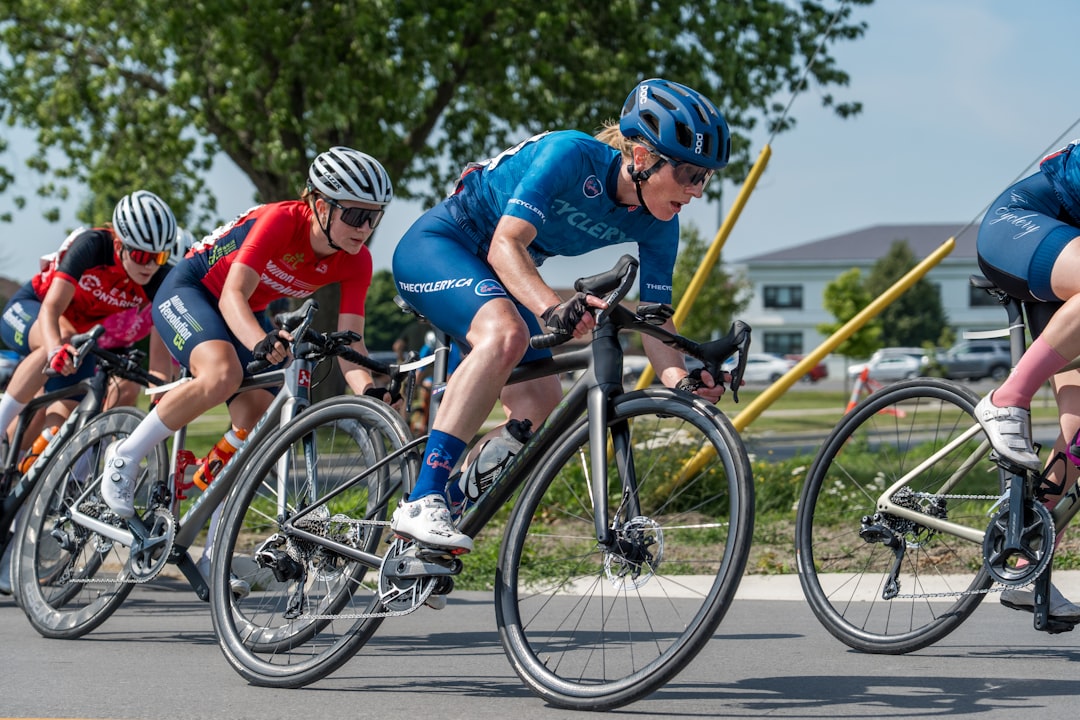
Photo by chris robert on Unsplash.
Data analysis is free, forever. The Dynamic Coach is Pro. Connected to Garmin, Strava, Whoop, and intervals.icu.
The exact N+One model settings are proprietary and are not documented in the supplied PubMed search. A fair plain-language model is that the app weighs several small warnings before it changes your plan.
Short sleep, less steady sleep timing, higher recent load, lower readiness, and low self-rated recovery may all add weight. One odd night should carry less force than a pattern that keeps showing up.
The key is not population norms. The app is most useful when it reads your data against your own recent baseline, then links that signal to sleep, HRV, and resting heart rate.
When several signals drift together, the app can make a more confident coaching call. That call may affect the same weekly plan logic described in how your week gets built.
Do not over-read one poor night.
Look for a pattern across sleep, load, and readiness.
Use your own baseline, not another rider’s numbers.
Expect the app to be more cautious when several signals agree.
In N+One terms: the system watches the training context drift, and when recovery demand outpaces current sleep input, it nudges your schedule.
The system watches the training context drift, then raises recovery demand when sleep no longer fits the load.
One tactical email with training ideas and product updates. No spam — unsubscribe anytime.
Keep reading
- How N+One Builds Your Weekly Cycling Plan: From Goals to Daily Workouts — A practical, source-cautious outline of how N+One can turn goals, availability, recent rides, and recovery notes into one clear weekly cycling plan.
- How N+One’s AI Cycling Coach Works — A Deep Dive — Discover how N+One’s AI cycling coach delivers personalized training plans and adaptive coaching. Learn how real-time data (power, HRV, sleep), CTL/A...
- Adaptive Training Plans: Use Biology to Prevent Burnout — Adaptive training plans read your HRV, resting heart rate, sleep and training load to adjust intensity in real time. Learn practical, science-based r...
Your next move should be boring and clear. Add sleep opportunity for the next seven nights, and trim the work enough that your body has room to catch up.
Keep one light touch of intensity only if you feel stable and the plan allows it. Otherwise, trade extra work for easy riding and a cleaner bedtime window.
This is the same coaching pattern behind practical cycling recovery habits: keep the signal you need, cut the noise that blocks recovery, and reassess soon.
If you want day-to-day guidance without second-guessing, let N+One translate your latest training and recovery context into one clear next decision.
Add 45–60 minutes of sleep opportunity for seven nights.
Cut planned training volume by about 20% for those seven days.
Keep easy rides easy, even if your legs feel decent.
Log sleep, morning readiness, fatigue, and illness symptoms.
Judge the change after a short, set window, not after one morning. Look for more sleep time, better perceived freshness, and training that feels less forced.
HRV and resting heart rate can help, but they should not outrank how you feel and what the ride shows. Use the app’s review flow with what the weekly review checks.
If sleep, mood, and training quality do not improve after two weeks, stop adding hard work. If illness symptoms or unusual daytime sleepiness persist, speak with a clinician rather than asking the app to solve a health issue.
When the signals steady, return to the plan in steps. Keep the better sleep window for another week so the next block starts with more reserve.
Recheck after seven nights, not after one sleep.
Look for better sleep time and lower fatigue.
Watch whether training quality feels less forced.
If symptoms persist, pause heavy load and seek care.
Day 0 — Accept the app’s recommendation. Shift bedtime to add 45–60 minutes of sleep opportunity tonight, then cancel or shorten hard sessions for the next 48 hours.
Days 1–7 — Keep the added sleep window each night. Reduce total planned volume by about 20%, keep low-intensity rides easy, and record sleep, morning HRV or resting heart rate, and a 0–10 fatigue score.
Day 8 — Compare the week with your baseline for sleep, HRV or resting heart rate, and fatigue. If the pattern improves, return to planned training in steps; if not, extend reduced load for seven days and consider clinical care if illness symptoms persist.
N+One may ask for more sleep when recent sleep, load, and recovery signals point to lower readiness. Because the exact algorithm is not documented in the supplied source, treat the alert as a coaching prompt: add sleep opportunity for seven nights, reduce load briefly, then reassess against your own baseline.
No app can know that from training data alone. N+One can flag patterns that fit lower readiness, but illness, life stress, travel, and other factors still need your own notes and judgment.
Not always. The first move is to add sleep opportunity and reduce load, not to quit all riding. Keep easy rides easy unless symptoms or strong fatigue point to full rest.
Treat the recommendation with some caution and add context in the app. A bad sync, missed device night, or unusual schedule can weaken the signal.
If unusual daytime sleepiness, illness symptoms, or poor recovery persist after you reduce load and improve sleep opportunity, speak with a clinician.
Ready to optimize your training? Explore N+One.