After-Race Recovery Tracking in N+One: A Day-by-Day Walkthrough
5 min read

Use N+One after a race with a seven-day tracking protocol for resting heart rate, sleep, fatigue, and leg feel so your next training choice is clear.
On this page
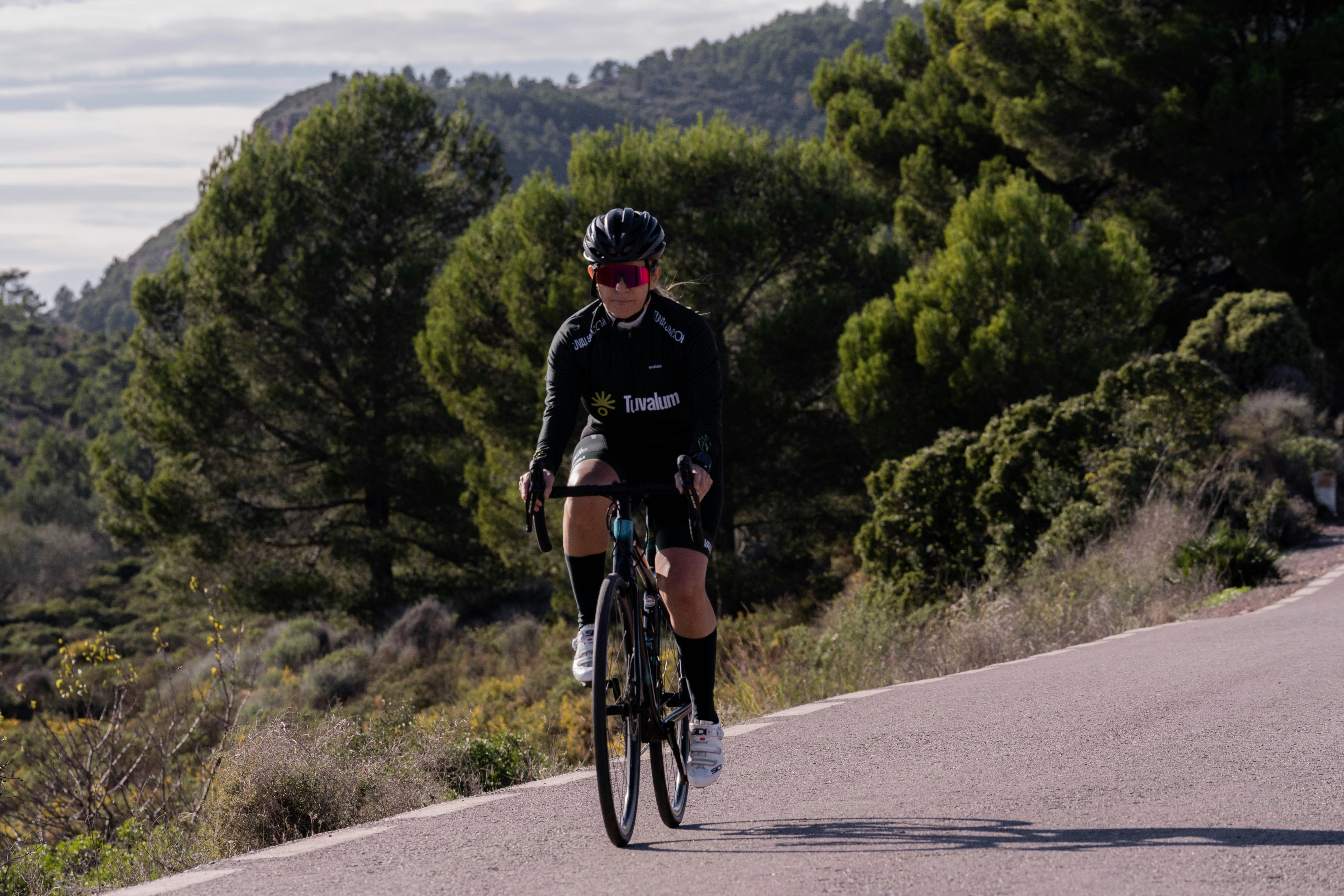
Use this seven-day post-race tracking protocol to make one clear next decision after your race: stay easy, resume training, or extend recovery.
A PubMed search found no direct indexed studies for “After-Race Recovery Tracking in N+One,” so this article keeps physiology claims narrow. Treat it as a training decision framework, not medical advice.
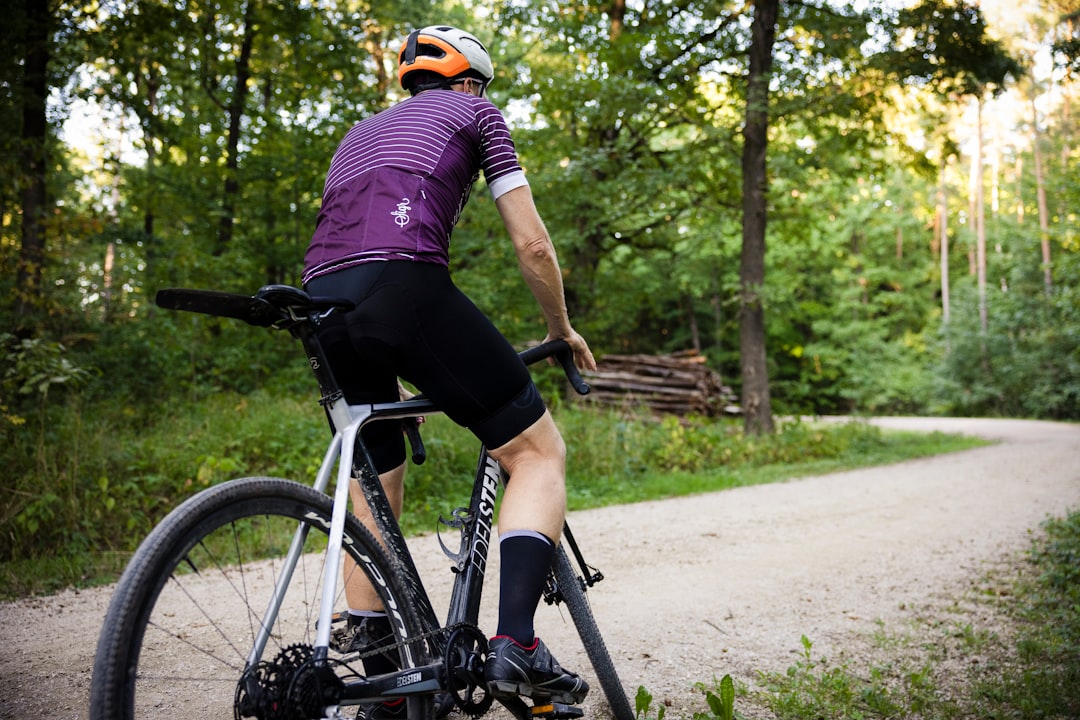
Photo by Markus Spiske on Unsplash.
A race changes the training week around it, even when your fitness has not gone away. Tracking helps you turn that noisy week into one clear training choice.
Because the source search found no direct PubMed-indexed match, we will not claim a precise recovery curve. Use the data as a guardrail, then let your next ride match what the signals show.
N+One works best when your post-race inputs stay simple and steady. If you use wearable data, bringing recovery data into readiness can help keep the picture grounded.
Track a small set of signals for seven days.
Keep hard intervals out of the plan during this window.
Use the same morning routine for each check.
Lean conservative when signals and feel disagree.
In N+One terms, the goal is one clear next decision after the race.
Your threshold did not disappear; your recovery inputs shifted, so the output dropped.
Day 0 is for closing the race, not proving more fitness. Log the race, note perceived effort, and keep the rest of the day low stress.
Days 1 to 3 should feel plain and almost boring. Short easy spins can fit if they feel truly easy, while rest is still a valid training choice.
Days 4 to 7 are the decision window. Compare sleep, resting heart rate, perceived fatigue, and ride feel before you change the plan.
If your week usually comes from N+One, this is where recovery weeks in N+One matter. The app can shift the load while keeping the aim of the block intact.
Day 0: log race effort and stop structured training.
Days 1–3: rest or ride very easy only.
Days 4–5: check trends before adding work.
Days 6–7: resume, hold, or extend recovery.
This keeps the week tied to a clear post-race choice.
Preserve intensity options later by trimming volume while the system re-centers now.
PubMed search found no direct, PubMed‑indexed literature for the exact topic—physiological claims are therefore limited.

Photo by Josh Nuttall on Unsplash.
Data analysis is free, forever. The Dynamic Coach is Pro. Connected to Garmin, Strava, Whoop, and intervals.icu.
Use four daily inputs: resting heart rate, sleep quality, perceived fatigue, and one simple neuromuscular check. The neuromuscular check can be a short jump, a brief sprint feel note, or another repeatable signal.
Do not let one number overrule the full picture. If sleep looks poor, resting heart rate feels off, and your legs feel flat, choose the easier day.
N+One readiness is built from context, not one magic score. If you want the details, reading readiness score components explains how separate signals can shape the next call.
When sleep, HRV, and resting heart rate disagree, use the signal you can measure most often and most cleanly. This guide on which recovery signal to trust gives a useful way to think about that tradeoff.
Log resting heart rate after waking.
Rate sleep quality with the same scale each day.
Score perceived fatigue before training.
Use one repeatable jump or leg-snap check.
Act on patterns, not single readings.
One tactical email with training ideas and product updates. No spam — unsubscribe anytime.
Keep reading
- Cycling Recovery Techniques That Actually Work — Evidence-based cycling recovery techniques and how N+One’s AI cycling coach personalizes recovery to speed adaptation, prevent burnout, and keep you...
- How N+One Tells the Difference Between a Recovery Day and a Rest Day — Learn how N+One separates recovery days from rest days using training intent, load data, and recovery signals, then gives one clear next move.
- Recovery Optimization: Evidence-Based Strategies to Maximize Cycling Adaptation — Recovery is where gains happen. Practical, science-based recovery strategies—sleep, nutrition, active rest, and monitoring—to help an advanced cyclis...
The most common mistake is adding intensity because one easy day felt fine. A better move is to wait for stable signals across more than one day.
Do not chase perfect HRV or a flawless sleep score. Use those numbers as part of the story, then check whether the legs agree.
If you feel off but the dashboard looks calm, say so in the system. Manual readiness overrides help the plan reflect what the watch missed.
If you do not use HRV, you can still track well. Resting heart rate, sleep, perceived fatigue, and ride feel give enough structure for a sound training choice.
Do not add hard intervals after one good morning.
Use HRV as one input, not the judge.
Tell N+One when you feel off.
Keep the first group ride truly easy.
The training system should listen to both device data and the athlete in the saddle.
After a race, the best plan is not a moral test. It is a feedback loop that weighs the race, the week, and the recovery signs you log.
N+One can keep the larger goal in view while changing the next few rides. That matters because a race often changes the short-term load more than the long-term aim.
If the app suggests more sleep, treat that as a training input rather than a judgment. The article on how sleep recommendations are built explains why the next move may be rest, not more work.
For future events, tag the race early so the system can plan both sides of it. Building backward from your A-race helps make recovery part of the plan, not an afterthought.
Log the race as soon as it ends.
Keep post-race notes short and honest.
Let the plan adjust the next sessions.
Protect the goal, not one planned workout.
The promise is simple: one clear next decision, backed by the latest context.
Day 0 — Race day: Cool down calmly if possible, drink and eat as you normally would after hard riding, then log finish time and session RPE. Do not add structured training after the race.
Day 1 — Passive recovery: Record morning resting heart rate or HRV, sleep quality, and perceived recovery. Rest, or ride briefly and easily only if your body feels ready.
Day 2 — Very easy: Keep daily logging. If two or more signals look worse than your normal pattern, keep all riding easy and reduce planned volume for the week.
Day 3 — Light aerobic: Add an easy aerobic ride only if signals are steady. Avoid intervals and threshold work unless both objective and subjective signs look settled.
Day 4 — Reassessment: Compare the last few days with your normal pattern. If recovery signs are back near normal, add only a short controlled effort, not a full hard session.
Day 5 — Controlled return: If Day 4 went well, ride with limited intensity and short duration. If not, keep the day easy and cut more load from the week.
Days 6–7 — Decision point: Resume normal training only if you have stable recovery signs and strong perceived recovery. Otherwise, extend easy training and reassess before adding hard intervals.
A direct PubMed match for this exact N+One topic was not found, so keep the method practical and modest. For seven days after a race, remove hard intervals, track resting heart rate, sleep, perceived fatigue, and a simple neuromuscular check, then make one clear call: resume, hold reduced load, or extend recovery.
No. This is a training decision framework for cyclists. If symptoms feel unusual, severe, or medical in nature, use a clinician rather than a training app for that decision.
Use resting heart rate, sleep quality, perceived fatigue, and ride feel. The point is not perfect data; it is a repeatable view of how you are trending.
Possibly, but the choice should come from your trend, not from hope. If several signals still sit outside your normal pattern, keep the plan conservative.
Not always. Easy riding can fit when recovery signs are stable and the effort stays low. Hard intervals should wait until the signals and your body agree.