Cycling-Specific Readiness in N+One: Why Your Running Watch Numbers Are Not the Whole Story
5 min read

A running watch gives useful signals, but it is not a cycling-specific readiness tool. Learn how to translate watch data into one clear cycling decision.
On this page
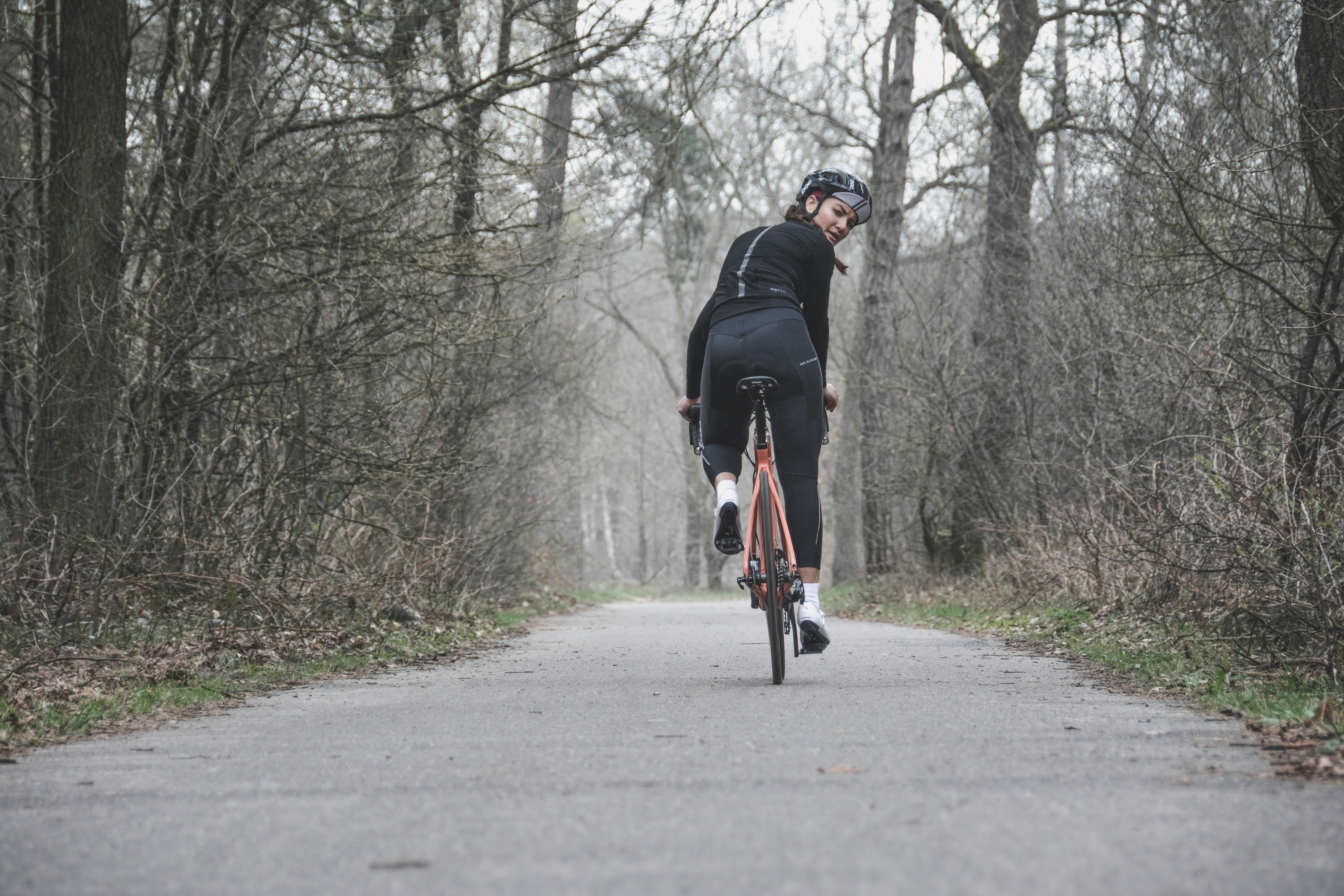
Photo by Coen van de Broek on Unsplash.
A running watch gives useful signals, but it is not a cycling-specific readiness tool. Use it as context, then check the bike.
Your watch can help you spot a shift in recovery, strain, or sleep. The gap is translation: cycling asks for on-bike power, position, cadence, and local muscle work that a running-led score may not fully weigh.

Photo by Nico Knaack on Unsplash.
Start with the watch, but do not end there. HRV, resting heart rate, and sleep can flag stress, yet they do not tell you how your legs will handle a bike session.
Pair the watch signal with one on-bike check. If you already track how N+One reads recovery inputs, treat the score as a cue to look closer, not as a command.
Your next move is simple: compare the watch trend with power, cadence feel, and rate of perceived exertion. For broader context, use sleep, HRV, and resting heart rate as separate signals before you change the ride.
Check your watch trend against its own baseline.
Do a short hard pedal and note smoothness.
Compare on-bike RPE with usual power.
Check soreness, sleep, and joint stiffness.
In N+One terms: your readiness signal is a system input—translate it through cycling context before you change training.
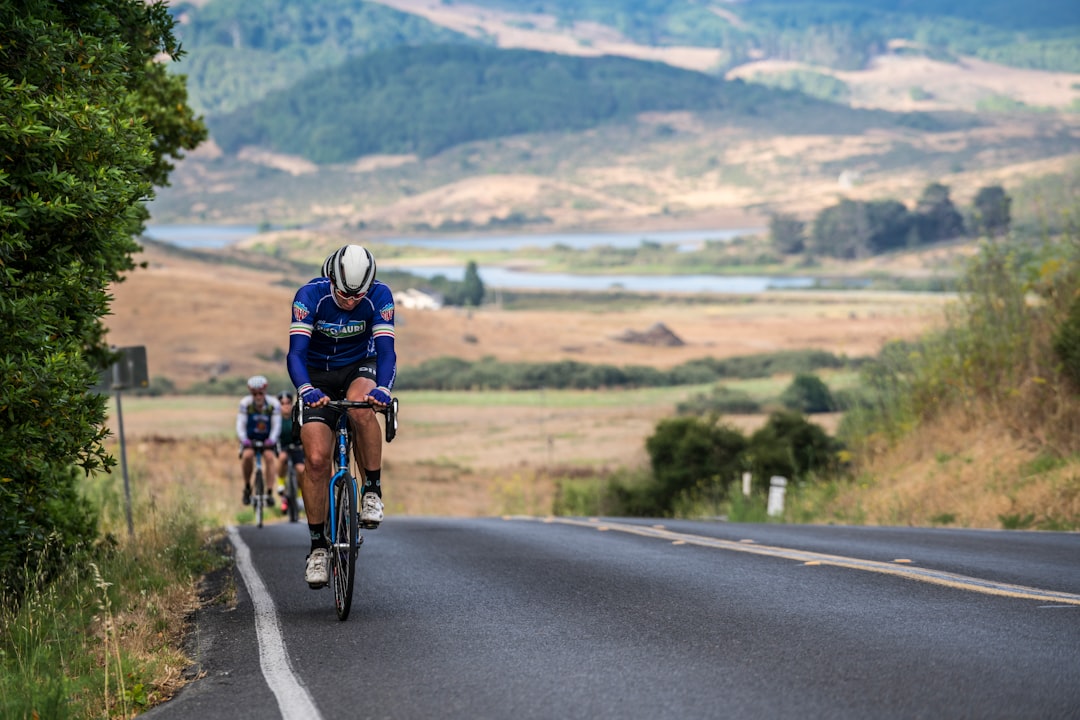
Photo by Lech Naumovich on Unsplash.
When readiness is low, adjust volume before you scrap the whole plan. Keep the training signal small and sharp enough to stay linked with your goal.
Cut planned ride volume by 20% for the next three to seven days. Keep intensity only if the bike feels sound, and use sub-threshold work rather than all-out efforts.
This is where manual readiness overrides matter. If your watch is low but your on-bike check is near normal, ride the trimmed plan instead of taking a full stop.
Cut planned ride volume by 20%.
Keep one short sub-threshold session only if you feel sound.
Skip maximal efforts until the bike check improves.
Reassess within the same week.
The watch gives context, but the bike check decides the training change.
In N+One terms: don’t scrap intensity; trim volume so the system can recover while preserving neuromuscular stimulus.
A PubMed search returned no direct, indexed studies that validate using running-watch readiness scores as a one-to-one substitute for cyc…
Data analysis is free, forever. The Dynamic Coach is Pro. Connected to Garmin, Strava, Whoop, and intervals.icu.
Accept the watch when the low score matches the bike. If power feels flat, cadence feels rough, and effort feels high, the system is pointing in one direction.
Override with care when the watch is low but the ride check feels normal. In that case, keep the reduced-volume plan and avoid making one poor metric the whole story.
If you use other recovery imports, keep the same rule. A score from WHOOP recovery in N+One still needs a cycling-specific check before it drives the day.
Accept low readiness when the bike also feels poor.
Override only when power and RPE are near normal.
When unsure, cut volume and keep the ride easy.
Repeat the same check before adding load.
One tactical email with training ideas and product updates. No spam — unsubscribe anytime.
Keep reading
- Why Your Readiness Score Tanks the Day After an Easy Ride: Explaining the Disconnect — Why a readiness score can drop after an easy ride, what inputs may be driving it, and the simple training adjustment to make before changing your who...
- Training Readiness: Optimize Your Next Session — Use training readiness—HRV, resting HR, sleep, and subjective wellness—to decide when to push and when to rest. Real-time, science-based steps for sm...
- Heart Rate Variability for Cyclists: How to Measure, Interpret, and Use HRV to Guide Training — A practical, science-based guide for cyclists: how HRV works, how to measure it reliably, how to interpret individual patterns, and how to use HRV wi...
Running and cycling are not the same task. The watch may track heart rate and sleep well, but the bike adds seated posture, steady torque, and repeated force under load.
That does not make the watch useless. It means the signal needs a cycling lens, especially when you plan structured work based on power and ride metrics.
For cyclists, the cleanest readiness check joins three inputs: watch trend, power response, and perceived effort. If two of those drift down, reduce volume and protect the next key ride.
The grounded source for this article is a PubMed search on this exact topic. That search did not provide a direct indexed study validating running-watch readiness scores as a one-to-one cycling readiness tool.
So the claim stays narrow. Running-watch numbers are useful context, but they are not a complete substitute for cycling-specific assessment.
Use physiology with care and test the decision on the bike. For day-to-day use, readiness and daily check-in should guide one clear next step, not a long list of doubts.
Do not treat a running score as cycling proof.
Check the bike before changing the plan.
Track trends rather than one-off readings.
Keep claims narrow when evidence is sparse.
In N+One terms: the physiology basis is useful; the algorithmic translation to cycling outcomes is less certain.
Day 0 — Baseline: record three morning resting HR or HRV readings from your watch, then log a three-to-five-minute hard pedal at your usual race cadence with power and RPE.
Day 1–3 — Low readiness flagged: reduce planned ride volume by 20%. Keep one short sub-threshold session only if cadence, power, and perceived effort feel under control.
Day 4 — Functional reassess: repeat the three-to-five-minute pedal check. If power and effort are close to your baseline, return toward normal volume.
Day 7 — Decision point: if low readiness and poor bike feel persist, use recovery or active recovery and seek coach or clinician input when symptoms concern you.
A running watch gives useful signals, but it is not a cycling-specific readiness tool. Use it as an early warning, then make the decision with power, on-bike RPE, and how the bike feels that day.
No. Use it as context, especially when sleep, HRV, or resting heart rate shifts from your normal pattern. Then confirm the signal with a short on-bike check before changing the session.
Change volume first. Keep intensity only if the bike feels sound, and keep that work controlled rather than maximal.
N+One is built to translate training and recovery context into cycling decisions. The goal is not to chase a number; it is to choose the right ride for the day.
Be more cautious when low readiness matches poor power, high RPE, poor sleep, or unusual symptoms. If symptoms feel medical or persist, seek qualified clinical care.