Why Your Readiness Score Tanks the Day After an Easy Ride: Explaining the Disconnect
5 min read

Why readiness can drop after an easy ride: how HRV, sleep, resting heart rate, timing, and context shape the score, plus one clear 7-day response.
On this page
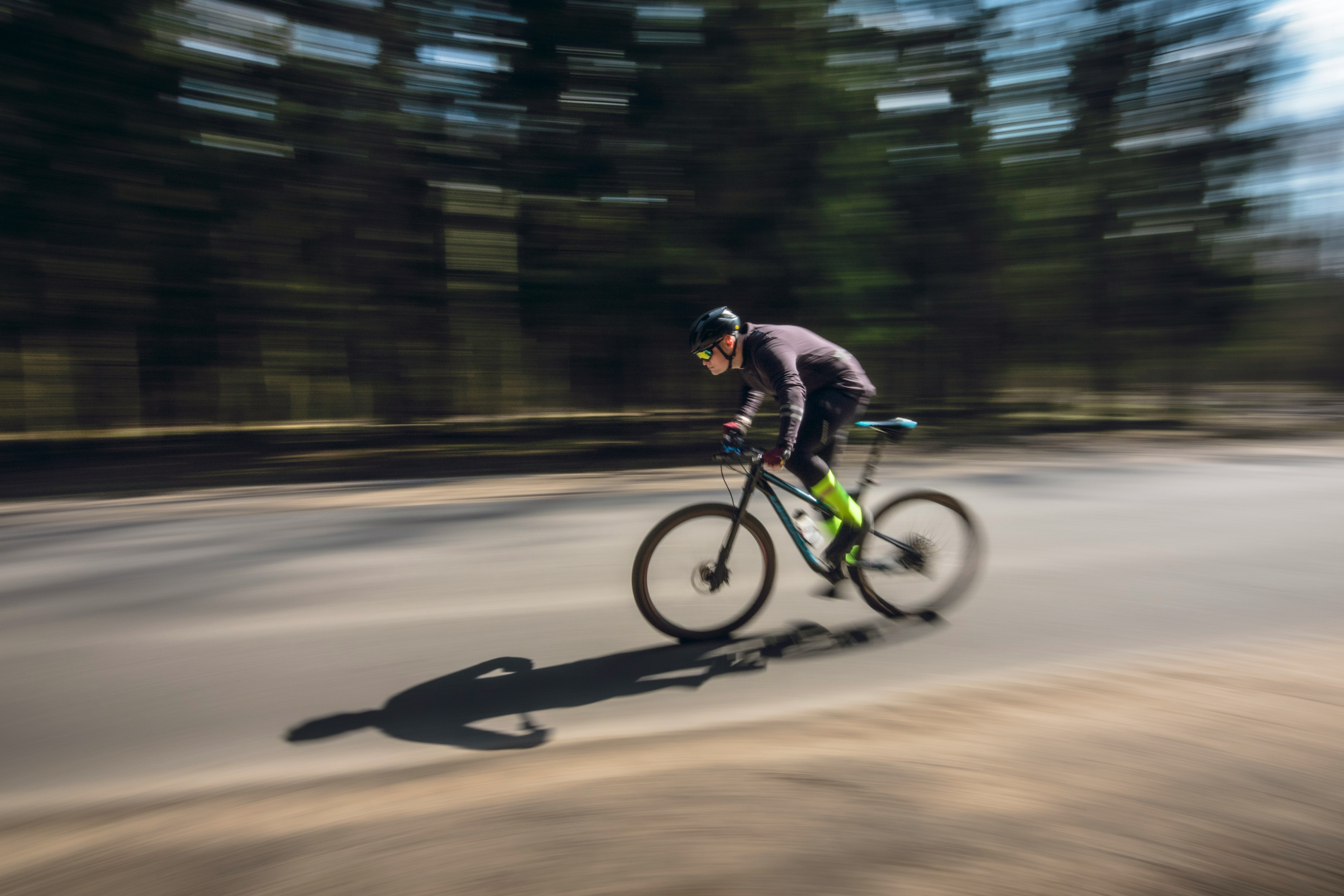
Photo by Alexander Fastovets on Unsplash.
A readiness score can fall after an easy ride because your wearable reads acute recovery signals, not lost fitness.
Many cyclists expect an easy spin to raise next-day readiness, especially during autumn base work or after late-season races. The score may still drop because wearables blend signals such as heart-rate variability, resting heart rate, sleep, and movement history. Claims here stay narrow because commercial readiness models differ, and the grounded source set is limited to PubMed-indexed literature search results.
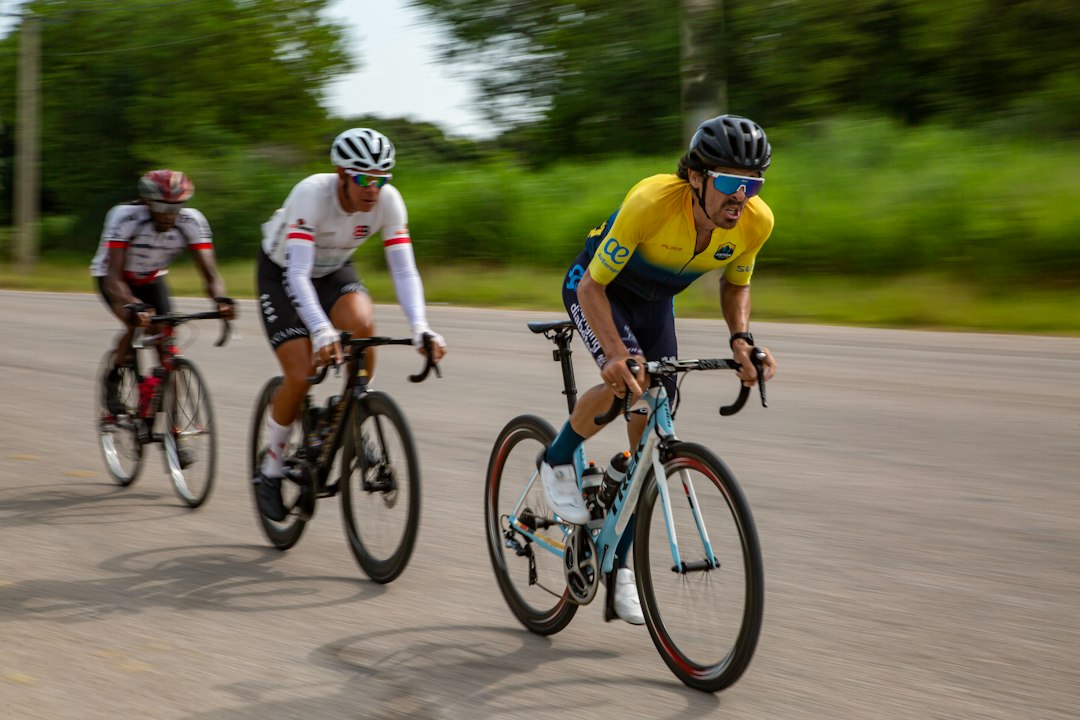
Photo by Ricardo IV Tamayo on Unsplash.
A wearable readiness score is not a direct test of your fitness. It is a model output built from signals the device can sense, estimate, or ask you to log.
Common inputs include heart-rate variability, resting heart rate, sleep data, and recent strain history. The exact weights are often hidden, so two apps can read the same morning in different ways.
That is why a low score can clash with calm legs and an easy ride file. If this mismatch is common for you, compare the score with how your body can disagree and your own short trend.
Treat the score as a model output.
Check which inputs changed overnight.
Compare today with your own baseline.
Avoid judging fitness from one label.
The promise is simple: check the inputs before you judge the ride.
The score is a filtered readout of your system, not the system itself.
Easy does not mean physiologically blank. Even low-stress exercise can sit beside poor sleep, low fluid intake, or prior hard work, and the device sees the whole mix.
Readiness tools often use autonomic markers as part of that mix. PubMed-indexed work links exercise and recovery with autonomic measures, but the exact response differs across riders and devices.
A late ride can also change the night that follows. If sleep is shorter or more broken, the morning score may fall even though the ride felt under control.
Keep recovery rides truly easy.
Note whether the ride was late.
Check sleep before blaming the session.
Look for prior hard work in the week.
The ride was easy, but the recovery setting around it may not have been.
Wearables read autonomic and recovery signals; those signals can be transiently altered after an easy ride without indicating true perfor…
Data analysis is free, forever. The Dynamic Coach is Pro. Connected to Garmin, Strava, Whoop, and intervals.icu.
Some low-readiness mornings are partly measurement noise. A loose sensor, a different wake time, or a rushed reading can shift the values your app feeds into its score.
This matters more when the score uses small day-to-day changes. The cleaner comparison is not today versus another rider, but today versus your usual morning setup.
Travel, time-zone shifts, illness, and altitude can also change your baseline. Use a reset view like recalibrating after travel or illness before you rewrite the week.
Measure at the same morning point.
Use the same device when possible.
Check strap or watch fit.
Tag travel, illness, and poor sleep.
One low score is a prompt, not a verdict. If your legs, mood, breathing, and sleep feel normal, the next move should be small and calm.
The sharper question is whether several signals moved together. A lower readiness score with worse sleep and a higher resting heart rate deserves more respect than a single app color.
For a better lens, pair objective data with RPE and sleep notes. This keeps your choice close to subjective and objective readiness, not one isolated number.
Check symptoms first.
Compare sleep, HRV, and resting heart rate.
Use a short baseline trend.
Make one small change, not three.
This keeps the response tied to the signal instead of the app label.
When one input flickers, do not rebuild the plan; when the pattern shifts, act.
One tactical email with training ideas and product updates. No spam — unsubscribe anytime.
Keep reading
- Detraining vs Real Fatigue in Readiness Scores: Telling Them Apart After a Break — Learn how to tell detraining from acute fatigue when readiness scores drop after a break, with a practical 7–10 day cycling protocol.
- HRV Morning Readings That Don’t Match Feel: A Decision Tree for Cyclists — HRV morning reading does not match how you feel? Use this cyclist decision tree to check measurement quality, recent context, and your next training...
- Alcohol, Travel, and Readiness: How Lifestyle Flags Soften Tomorrow’s Plan — Alcohol and travel can soften tomorrow’s training readiness. Learn how to treat lifestyle flags, cut volume, and keep quality work on track.
If you feel well and have no illness signs, do not auto-cancel the key workout. Keep the planned intensity signal, but trim total volume for the short block.
That trade keeps the training stimulus while lowering total stress. It is a clean response when the score is low, but the wider picture does not point to sickness or deep fatigue.
Before hard work, run a quick check on legs, breathing, mood, and the last night of sleep. A short pre-interval readiness check helps keep the decision grounded.
Keep the planned intensity target.
Cut weekly volume by 20%.
Hold that change for seven days.
Measure each morning the same way.
Resume volume when the trend rebounds.
Keep the signal that drives adaptation, and lower the load that slows recovery.
The next two mornings can tell you whether the drop was a blip or part of a pattern. Keep the routine steady so you are not adding more noise.
Look first at sleep, hydration context, caffeine, alcohol, travel, and any early illness signs. These non-training inputs feed the same wearable signals that many riders treat as pure training feedback.
If resting heart rate keeps rising across mornings, treat the pattern with more care. Use resting heart rate trend guidance before deciding the next hard day.
Take two consistent morning readings.
Review sleep onset and sleep length.
Note caffeine, alcohol, and travel.
Check device fit and battery state.
Watch whether the trend repeats.
Day 0: If you feel well, keep the planned intensity target and reduce total weekly volume by 20%. Record HRV, resting heart rate, sleep, and symptoms at your usual morning time.
Days 1–3: Keep intensity work controlled, but shorten the ride or reduce repeat count so total time fits the lower-volume week. Keep recovery rides calm and measure each morning the same way.
Days 4–7: If readiness inputs move back toward your baseline and sleep is steady, restore normal volume gradually. If markers stay low or symptoms appear, hold the reduced load and seek qualified help when illness or unusual fatigue is present.
A low readiness score after an easy ride usually means the inputs shifted, not that your fitness vanished. Keep intensity if you feel well, cut volume by 20% for seven days, measure consistently, and judge the trend.
Not automatically. If you feel normal and have no illness signs, keep the intensity target and reduce total weekly volume instead.
It can, but the meaning varies by rider, sleep, timing, and device method. Use HRV beside resting heart rate, sleep, mood, and symptoms.
Use the wearable as a prompt to check context. If your body feels normal, make a small volume cut rather than canceling the whole plan.
Take it more seriously when low scores repeat, resting heart rate stays up, sleep is poor, or illness signs appear. Reduce load and seek qualified support if symptoms persist.