Subjective vs Objective Readiness: Combining RPE, HRV, and Sleep Scores
5 min read

Combine RPE, HRV, and sleep scores into one clear readiness decision: keep the plan, trim volume, or recover without overreacting to one metric.
On this page

Combine your RPE, HRV, and sleep scores to get a fuller picture of readiness, then make one clear training choice today.
Readiness is not one number your body hands over each morning. RPE, HRV, and sleep each sample a different part of the recovery system, so the useful signal comes from how they agree, split, and trend against your own baseline.
PubMed-indexed work on athlete monitoring supports a cautious, combined view of readiness. Subjective tools like RPE and wellness notes often track perceived recovery, while objective signals add context from recent physiology.
That does not make any one score a verdict. If you want a broader frame, start with training readiness for your next session, then use this article for the daily rule.
HRV can be useful, but it is sensitive to how and when you measure it. Sleep scores can help, but devices differ, so trends matter more than a single bright or red tile.
When the dashboard and your legs disagree, the mismatch is often the point. See why readiness disagrees with feel if that split shows up often.
Treat RPE as the lived signal from today’s body.
Treat HRV as context, not a command.
Treat sleep score as a short trend, not a verdict.
Compare each input with your own recent norm.
Use the three inputs together so one noisy score does not steer the whole day.
Subjective data tells you how you feel now; objective data tells you what your body showed overnight.
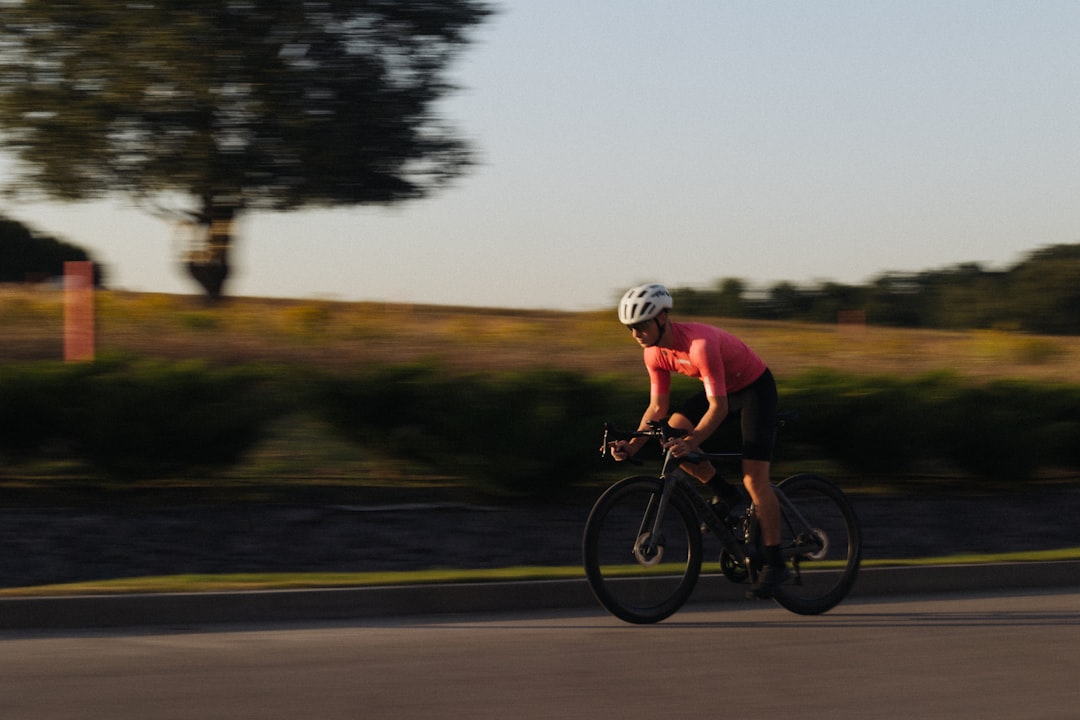
Photo by Oleg Kukharuk on Unsplash.
Good readiness calls start with clean, dull habits. Measure the same thing, at the same time, with the same device, before you judge the pattern.
For RPE, ask one simple question before the ride: how ready do you feel to train today. Record the answer right away, before the plan or group ride changes your mood.
For HRV, use the same morning posture and the same tool each day. If your morning HRV does not match your feel, first check the measurement setting before changing the workout.
For sleep, keep the same tracker and watch the short trend. One poor night matters less than a pattern, especially during late-season races, travel, or shorter autumn days.
RPE: rate readiness before the session, then log session feel after.
HRV: measure each morning with one posture and one device.
Sleep: watch total sleep and continuity across recent nights.
Context: tag travel, illness signs, alcohol, and high stress.
Subjective and objective metrics measure different physiology; use both rather than one alone.
Data analysis is free, forever. The Dynamic Coach is Pro. Connected to Garmin, Strava, Whoop, and intervals.icu.
Use the rule only after you have enough routine data to know your normal range. Your baseline matters more than a population cutoff from another rider or device.
When RPE feels good, HRV sits near your norm, and sleep is steady, keep the planned intensity. Do not trim a good day just because you want the model to be more complex.
When all three look poor, cut the load instead of debating discipline. Your fitness did not vanish; the training system around it is asking for less strain today.
Mixed signals need the smallest useful change. Keep the day’s key intensity if there are no illness signs, but shorten the ride and recheck the next morning.
This is also where an interval readiness checklist helps. It keeps the choice bounded when motivation, race pressure, or group plans push you past the signal.
All-good: keep the planned hard work and normal ride shape.
All-poor: cut volume for seven days and lower strain.
Mixed: keep key intensity, but shorten the session.
Recheck the same three inputs the next morning.
The goal is one clear move, not a new plan built from one rough morning.
If subjective and objective signals drift together, treat it as a system-level change; if they split, make the smallest safe adjustment.
One tactical email with training ideas and product updates. No spam — unsubscribe anytime.
Keep reading
- Sleep Debt and Readiness for Cyclists: Recovering a Week of Lost Sleep — A practical 7-day plan for cyclists recovering from a week of lost sleep: extend sleep, use naps, cut volume, keep useful intensity, and reassess rea...
- Indoor Trainer Days and Readiness: Why Your Score Differs From Outdoor Rides — Indoor trainer days can shift readiness scores without a true fitness loss. Learn why signals differ and use a 7-day adjustment plan.
- Resting Heart Rate Trends for Cyclists: What a Three-Day Rise Really Means — A three-day RHR rise usually signals a short-term recovery shift, not automatic overtraining. Learn how cyclists should check context, trim volume, a...
A weekend rider sleeps poorly before a long autumn ride, wakes flat, and sees HRV below their usual range. The next move is not panic; it is a short volume cut with easy riding.
They keep a light aerobic spin or low-threshold work only if the warm-up feels normal. If the legs stay heavy, the hard work moves rather than being forced.
A motivated rider wakes keen to train, reports high readiness, and sees one low HRV reading. Sleep looks normal, and the warm-up feels smooth, so the signal is mixed rather than clearly poor.
Their next move is to keep the main intervals but shorten the ride. If this pattern repeats, they review trustworthy HRV baseline trends before reading too much into one value.
Low sleep, low HRV, low RPE: cut volume and keep the ride easy.
High RPE, normal sleep, one low HRV: keep intensity, shorten duration.
Good warm-up can support the plan, but it does not erase trends.
Repeated mismatch means review the baseline, not just today.
This rule is a coaching aid, not a medical test. Do not use it to explain acute illness, injury, medication changes, fever, fainting, or unusual chest pain.
If travel, altitude, or illness has shifted the baseline, treat the scores as less stable for a while. A guide to recalibrating readiness after disruption can help you avoid false precision.
Monitor the response over the next several days with the same three inputs. If RPE returns toward normal and sleep steadies, the short cut likely did its job.
If negative trends persist despite conservative changes, escalate the review. A coach can audit load, and a clinician can assess health factors outside the scope of training data.
Pause the rule for illness, injury, fever, or concerning symptoms.
Use the same three inputs for the next several days.
Resume normal work only when the trend improves.
Seek help if negative trends persist despite lower load.
Day 0 morning: collect HRV with your usual device, record last-night sleep, and rate readiness with one RPE-style question.
Decision: if all signals are good, proceed with planned intensity; if all are poor, cut volume for the week and lower strain.
Mixed signals: keep the most important intensity only if you feel well, then shorten the session and recheck tomorrow.
Days 1–6: repeat the same morning inputs, tag symptoms or travel, and avoid adding new metrics midstream.
Day 7: if sleep, HRV, and RPE move back toward your norm, resume normal volume; if not, keep load conservative and seek deeper review if the decline persists.
Combine your RPE, HRV, and sleep scores to get a fuller picture of readiness, then choose one move: keep the plan, trim volume, or recover. Trends beat single readings, and a small timely cut often protects the training block better than a full reset.
Trust the pattern across RPE, HRV, and sleep rather than one score alone. RPE captures how training feels, while HRV adds objective context from your recent baseline.
Treat one poor night as a flag, not a verdict. Watch the short trend before changing a whole week, unless you also feel ill or unusually flat.
Yes, if you have no illness signs and the session matters. Keep the key intensity, shorten the ride, and recheck the same inputs the next morning.
No. A wearable can add HRV and sleep context, but consistent RPE, soreness notes, mood, and a training log still support useful readiness calls.