VO2max Plateau Breakers for Cyclists: When the Same Workouts Stop Yielding Gains
5 min read

VO2max flattened? Use a conservative cycling protocol: keep quality intensity, reduce volume briefly, vary one stimulus, and retest with stable conditions.
On this page
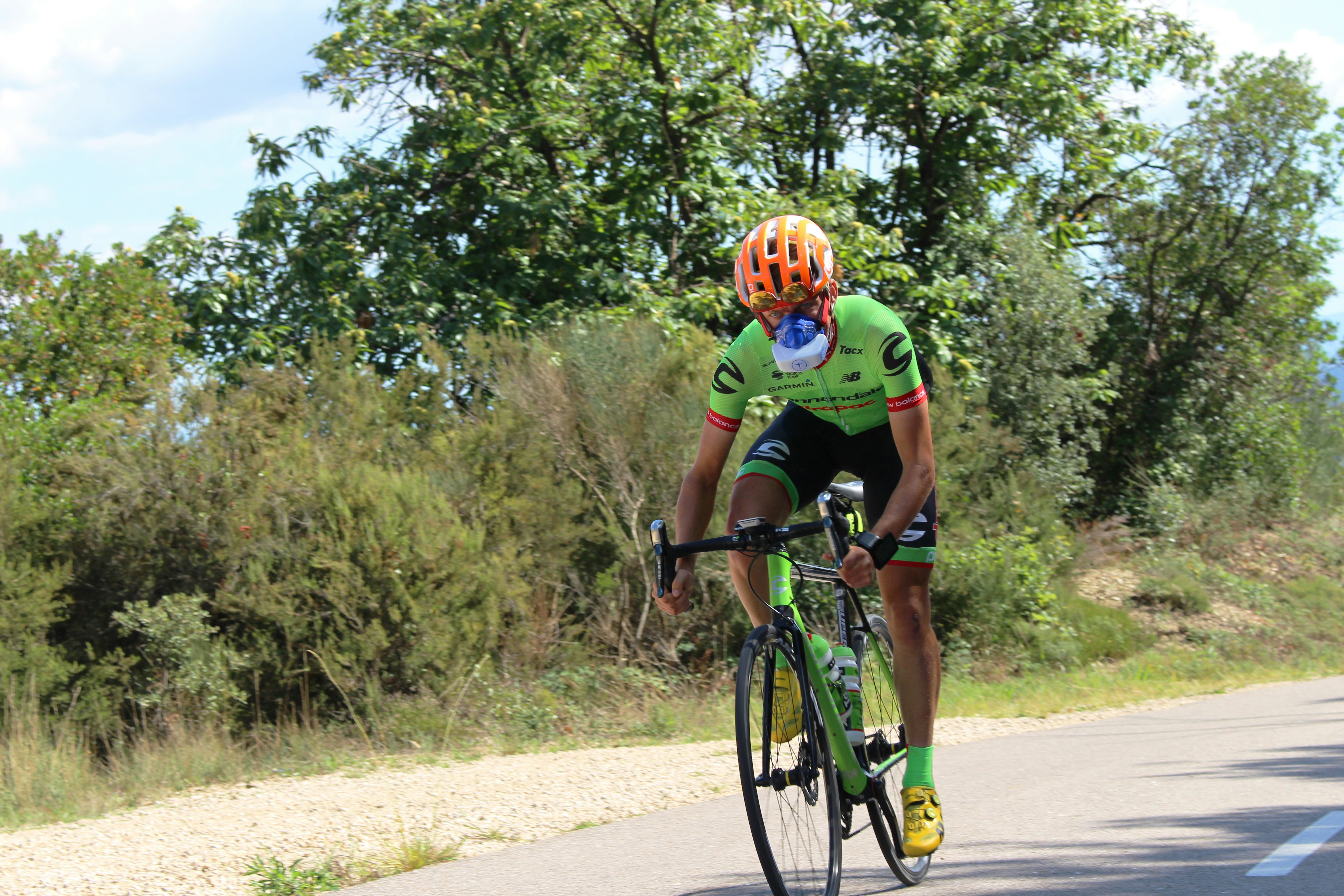
Photo by VO2 Master on Unsplash.
If your VO2max has flattened, change the training system, not just the repeats. Use one clear next decision, then test whether the signal returns.
I searched PubMed for literature tied to this exact topic but did not find one definitive review matching the supplied title. That limits the specific physiology claims made here, so the guidance stays conservative and practice-oriented.
Photo by Dámaris Azócar on Unsplash.
A plateau feels odd because the same hard work once seemed to work. When progress slows, the training system around the workout may have changed.
That system includes the session, your recent load, sleep, stress, food, and how you test. Since the supplied PubMed search did not return one matching review, treat this as a coaching frame, not a proven mechanism.
The first mistake is to chase more suffering. A steadier move is to ask whether your block still has a clear aim, enough freshness, and a sound test. If the block has drifted, revisit how long hard blocks should run before adding more work.
Compare your last few weeks with the block that worked before.
Check whether hard days still have clear power or effort targets.
Look for rising fatigue before you add more intervals.
Repeat the same test before you rewrite the plan.
The next move is to fix the system, then retest the output.
In N+One terms: your threshold did not vanish; the inputs around it shifted, so the output dropped.
Before you change the plan, check whether the plateau is real. Small changes in warm-up, sleep, weather, and pacing can blur the training signal.
Use the same field test, same bike setup, and similar pre-ride routine when you can. If you use FTP, critical power, or another threshold marker, keep the method stable while you look for change.
Then review the last block rather than one bad session. Look at hard-day quality, easy-day control, and how you felt before key rides. If threshold work has crowded the week, compare your aim with sequencing threshold and VO2 work.
Heart rate can help add context, but it should not be the only judge. If your heart rate response feels unusual during hard work, use heart-rate drift during hard intervals as a prompt to check fatigue and base work.
Repeat the same test before changing several variables.
Use the same warm-up, route, bike, and time of day when possible.
Review three to eight weeks of training notes.
Mark illness, travel, poor sleep, and heavy work stress.
Do not judge the block from one flat session.
A plateau usually means your training stimulus, recovery, or measurement method stopped changing — change one main variable at a time for…
Data analysis is free, forever. The Dynamic Coach is Pro. Connected to Garmin, Strava, Whoop, and intervals.icu.
Your best first move is not a new identity as a harder rider. Keep the sharp work, trim the load, and give the next test a cleaner chance.
For seven days, cut total ride time by about one fifth while keeping one high-quality hard session. That preserves the training cue while reducing the noise that may hide your response.
If every week has the same interval shape, change one session rather than the whole plan. You might swap a repeated workout for short on-off VO2 intervals or compare four-, five-, and eight-minute efforts.
If the plateau sits beside flat threshold work, do not force every ride upward. A short block of over-under threshold work can give structure without turning each day into a test.
Keep one hard session high quality.
Cut total ride time by about one fifth for seven days.
Change one interval format, not the whole week.
Keep easy rides truly easy.
Retest only after the short reset.
One clear next decision is to keep intensity, cut volume, and retest.
In N+One terms: keep the signal, lower the noise, and make the next readout cleaner.
One tactical email with training ideas and product updates. No spam — unsubscribe anytime.
Keep reading
- Norwegian Threshold Method for Amateur Cyclists: Lactate-Guided Training Without a Lab — PubMed does not confirm a branded Norwegian Threshold Method. Use this conservative field protocol to set threshold work with power, heart rate, and...
- Lactate-Threshold Testing Without a Lab: Field Protocols for Amateur Cyclists — Learn how to estimate lactate threshold without lab equipment using repeatable cycling field tests, then turn the result into one clear training deci...
- Critical Power vs FTP: Which Threshold Metric Should Drive Your Training? — Critical Power vs FTP explained for cyclists: what each threshold metric means, when to use CP, when FTP is enough, and one simple protocol to act on...
If the repeat test improves, the issue was likely not your ceiling alone. It may have been the balance of work, rest, and test quality.
Return to load with small steps and keep the hard days protected. If you stack more volume right away, the signal may fade before you learn what worked.
If VO2max stays flat but race power or threshold power improves, the number may not be the main target now. Your event may ask for durable power, repeatability, or a better pacing plan.
For riders planning a long season, one block cannot carry the whole year. Use a maintenance approach for VO2 gains when the goal shifts from building to holding fitness.
If the test improves, build again in small steps.
If fatigue remains high, extend the easy period.
If event power rises, do not chase one lab-style number.
Protect hard-day quality when volume returns.
The grounding source for this draft is a PubMed search, not a named intervention paper. That means broad claims about exact interval dose, adaptation timing, or expected gains are not made here.
Use PubMed-indexed studies, ACSM resources, or sport-science guidance when you need stronger support for physiology claims. This article gives a safe way to test your own training signal without overclaiming the cause.
If you feel unwell, unusually breathless, or far below normal for no clear training reason, do not solve that with more intervals. Use a qualified clinician or sport-science practitioner before you push the next block.
If you want day-to-day guidance without second-guessing, let N+One translate your latest training and recovery context into one clear next decision.
Treat this as a short coaching test, not medical advice.
Check primary literature before making large program changes.
Keep the intervention small and easy to review.
Seek expert help when symptoms or large drops appear.
Day 1–2: Cut total ride time by about one fifth versus your usual week. Keep one high-quality hard session, and avoid adding extra efforts after the planned work.
Day 3–5: Replace one repeated VO2-style session with a different hard stimulus. Keep the effort sharp, stop before form fades, and keep the next day easy.
Day 6: Ride easy or rest. Keep the day simple, and avoid using freshness as a reason to sneak in more hard work.
Day 7–10: Repeat your prior test or field check under the closest conditions you can match. Compare the result with notes on sleep, stress, and ride feel.
Decision point: If the test improves, return to load in small steps. If nothing changes and fatigue remains high, extend recovery and seek qualified assessment.
If your VO2max has flattened, change the training system, not just the repeats: keep one quality intensity cue, reduce total load briefly, vary one stimulus, and retest under stable conditions.
Not first. The cleaner move is to keep one hard session, reduce total load for a short period, and retest before adding more work.
Repeat the same test with the same warm-up, bike setup, route or trainer, and similar recovery state. If the setup changes, the result is harder to read.
Do not chase one number if event-specific power is moving in the right direction. Shift the goal toward the demands of your riding or racing.
If fatigue, symptoms, or a large unexplained drop persists, speak with a clinician or qualified sport-science practitioner before pushing the next block.
ChatGPT for your training — connected to your wearables.