Threshold Over‑Unders for Cyclists: A Smarter Stimulus Than Steady FTP Work
5 min read

Learn how threshold over-unders work, when to use them instead of steady FTP intervals, and how to run one clear weekly protocol.
On this page

Photo by Samantha Gilmore on Unsplash.
Over-unders move you just above and below FTP, creating repeated stimulus–recovery cycles around threshold instead of one steady stress.
Steady FTP work is still useful, but it can become too predictable when progress slows. Over-unders keep you near the same threshold region while changing how the effort arrives, which better matches the stop-start feel of hard riding.
A steady FTP interval asks you to hold one hard output. An over-under asks you to cross the threshold line, settle, then cross it again while staying controlled.
That shift matters because the session is no longer only about holding power. It is also about how well you handle changes in pace, breathing, and muscle load while close to threshold.
For broader block design, place this work where it fits your season, not where it adds noise. The same logic applies when you compare threshold and VO2max block order across a full training year.
Use over-unders when steady threshold work feels stale.
Keep the spikes controlled, not maximal.
Judge success by even pacing across the full set.
Stop the set if form turns rough.
This keeps the threshold goal intact while giving your body a new pattern to solve.
In N+One terms: keep the target region, but change the shape of the stress.
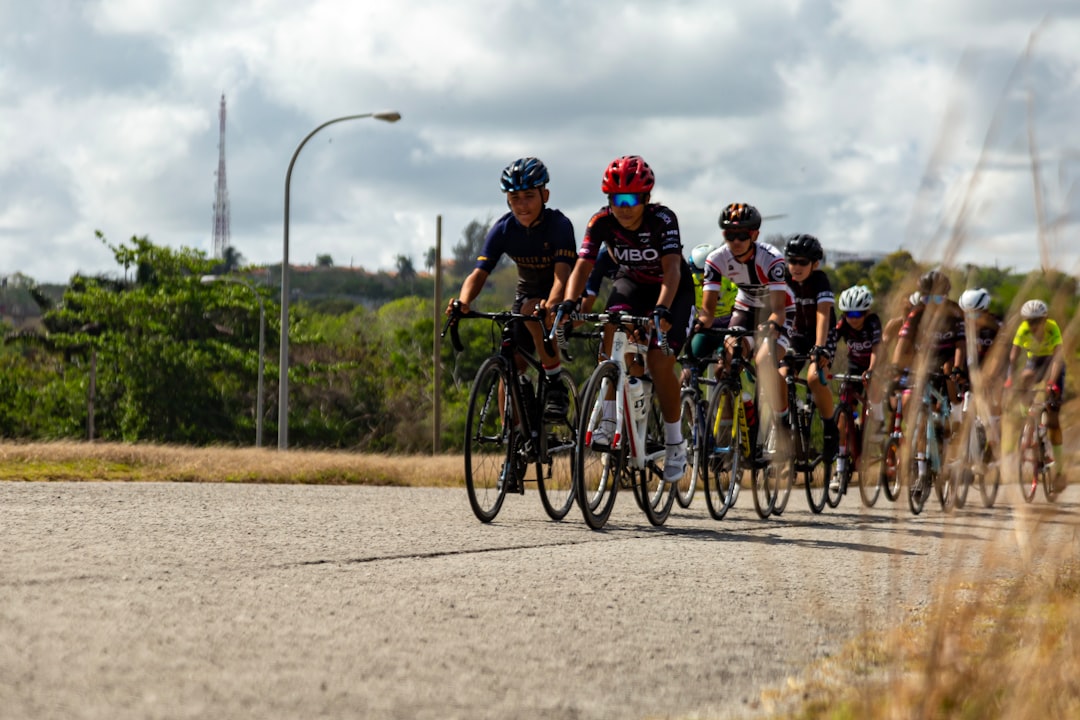
Photo by Ricardo IV Tamayo on Unsplash.
Start with a full warm-up that lets breathing and cadence rise in steps. The main set should feel firm early, then more costly as the crosses above FTP add up.
Ride each block by moving slightly above FTP for a short spell, then easing just below FTP before repeating. If you use field testing rather than lab data, review threshold testing without lab gear before you set targets.
Do not turn the upper part into a sprint. If the below-threshold part stops feeling like controlled work, your top end is too high for the day.
Warm up until threshold power feels smooth.
Keep upper efforts short and firm.
Keep lower efforts controlled, not easy.
Rest between blocks until cadence feels normal.
Log power, breathing, and RPE after the ride.
Over-unders target the physiological window around your FTP by alternating slightly above- and below-threshold efforts, creating repeated…
Data analysis is free, forever. The Dynamic Coach is Pro. Connected to Garmin, Strava, Whoop, and intervals.icu.
Use one over-under day in place of one steady FTP day. That single swap gives you a clearer signal than adding more hard work to a crowded week.
Progress by extending total quality time before you raise the top end. If you also use sweet spot work, keep the week simple with sustainable sweet spot sessions on a separate day.
If you are comparing tools, FTP is not the only way to steer threshold work. A guide to choosing between critical power and FTP can help you keep the metric matched to the session.
Replace one steady threshold ride each week.
Extend total work before raising intensity.
Avoid hard threshold days back to back.
Keep easy days truly easy.
Your next move is not more strain; it is a cleaner weekly pattern.
In N+One terms: one harder pattern is enough when the rest of the system stays steady.
One tactical email with training ideas and product updates. No spam — unsubscribe anytime.
Keep reading
- Four-Minute vs Five-Minute vs Eight-Minute VO2max Intervals: Choosing the Right Duration — Compare 4-, 5-, and 8-minute VO2max intervals for cycling, then use a one-week test protocol to choose the right duration for your goal.
- Heart-Rate Drift During VO2max Work: What It Reveals About Your Aerobic Base — Heart-rate drift during VO2max work means strain is rising for the same output. Learn what to check, how to adjust the session, and when to rebuild a...
- Training for Masters Cyclists (40+): Age‑Adapted Strategies for Sustainable Performance — Practical, science-based training for cyclists 40+. Learn how to preserve VO2max, fight sarcopenia, prioritise recovery, and use adaptive plans to ke...
Photo by planimetrica on Unsplash.
Your threshold did not disappear because one session felt flat. More often, the training system around it changed: sleep, fuel, life stress, heat, or prior work.
Back off when power fades early, RPE jumps above the usual feel, or cadence gets choppy before the main work should bite. Those signs mean the dose is wrong for today.
If you want a wider recovery frame, use training and recovery balance to keep the hard day from pulling the whole week off course.
Cut the next hard session short when form fades.
Swap spikes for steady sub-threshold work.
Use an easy aerobic ride after poor sleep.
Do not chase missed watts the next day.
Over-unders sit near threshold. VO2max work usually pushes harder and asks for a different recovery cost, so the two sessions should not blur together.
If you need a sharper aerobic ceiling focus, use a dedicated plan for VO2max intervals for cyclists. If you need repeated sharp surges, short VO2max repeat sessions may fit better.
The key is to name the job before you ride. Over-unders are not failed VO2max work; they are threshold work with controlled changes.
In N+One terms: the workout label should match the stress you want, not the ego you brought.
Day 1 — Over-under session: Warm up in steps, then ride several controlled blocks that alternate just above FTP with just below FTP. Rest easily between blocks and cool down until breathing settles.
Day 2 — Recovery: Ride easy or rest, keeping the day free from tempo surges and group-ride pressure.
Day 3 — Tempo or sweet spot: Hold a steady sub-threshold effort, or split the work into two calm blocks with easy riding between them.
Day 4 — Off or easy: Rest fully, or spin very easily if your legs feel better with light motion.
Day 5 — Optional high-intensity: Add harder work only if the over-under day left no lingering fatigue. If unsure, skip it.
Day 6 — Long aerobic: Ride at a conversational pace, using the day to build low-stress aerobic time rather than more threshold load.
Day 7 — Rest: Take full rest, or use a very easy spin if that helps you feel fresh for the next week.
Replace one steady FTP ride with one controlled over-under session, keep the rest of the week stable, and judge the workout by repeatable power and recovery rather than one high spike.
They are not always better; they are a different threshold tool. Use them when you want repeated changes around FTP instead of one steady effort.
No. Keep some steady work if it helps pacing and confidence. Use over-unders as one focused session, not as the whole plan.
Lower the top end first, then shorten the block if needed. The goal is controlled repeatability, not a single hard surge.
Yes, but the targets will be less exact. Use breathing, RPE, and terrain to move just above and below your known threshold feel.