Norwegian Threshold Method for Amateur Cyclists: Lactate-Guided Training Without a Lab (Updated)
5 min read

PubMed does not confirm a branded Norwegian Threshold Method. Use this conservative field protocol for lactate-informed threshold cycling without a lab.
On this page

Photo by Florian Kurrasch on Unsplash.
PubMed does not confirm a branded Norwegian Threshold Method. Use this conservative field protocol when lab lactate testing is out of reach.
This update keeps the original promise narrow: translate a popular coaching idea into field checks an amateur cyclist can repeat. It does not present a named Norwegian Threshold Method as a peer-reviewed protocol, because the provided PubMed search does not confirm one.
A PubMed search for this exact method does not return an indexed paper that defines a named protocol. That matters because a label can sound more proven than the evidence supports.
Use the Norwegian phrase as coaching shorthand for controlled threshold work, not as a fixed lab standard. For a wider threshold primer, pair this article with lactate threshold and reserve.
Your practical aim is simple: set a repeatable hard ceiling, keep easy work honest, and avoid turning every week into a test. When progress slows, the training system around the rider often needs a cleaner signal.
Treat the name as coaching shorthand, not a validated PubMed protocol.
Use field checks to set anchors, not to prove a branded method.
Keep one clear log of power, heart rate, RPE, and ride notes.
When signals conflict, choose the more conservative target.
In N+One terms: keep intensity, tighten your measurement routine, and use a short block for re-checks.
Keep the name humble, keep the work controlled, and let repeated field checks guide the next block.
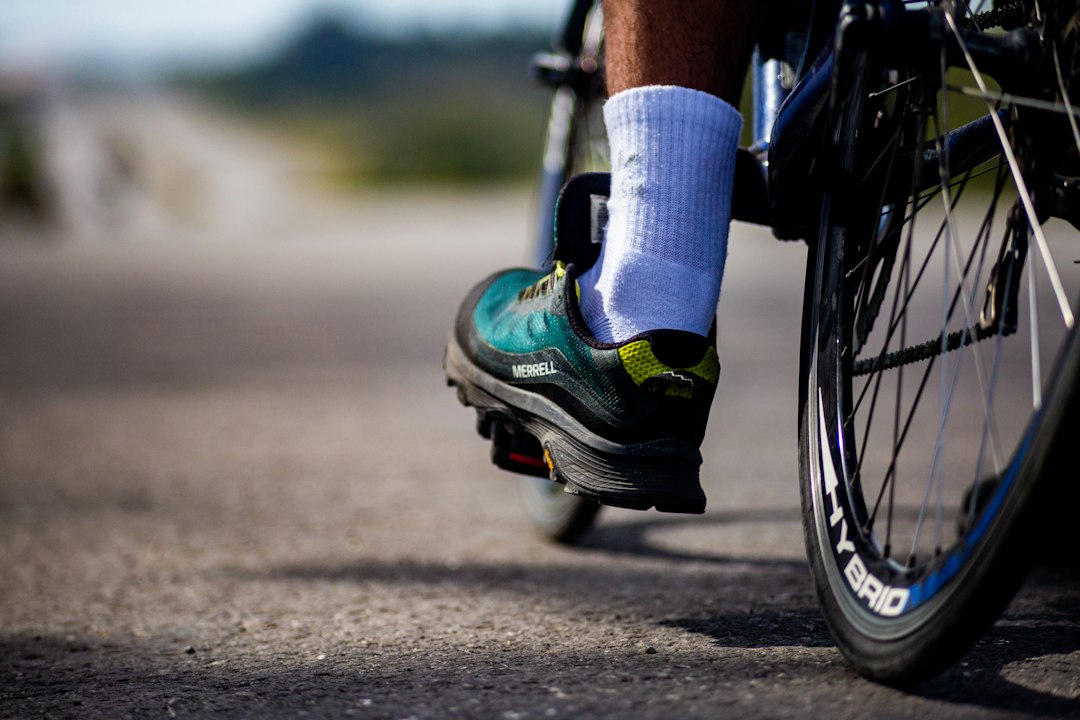
Photo by Ricardo IV Tamayo on Unsplash.
Lactate testing is useful because it samples the body during work, rather than only reading speed or power outside the body. That direct signal can help anchor training intensity when the test is well run.
Field checks are less exact than lab methods, so do not worship one number. A poor night of sleep, a rushed warm-up, or sloppy sampling can blur the signal.
The coaching value comes from repeatability. If you standardize the test setting, the trend is more useful than a single reading.
Use lactate as an anchor, not an identity.
Repeat the same test setup before changing zones.
Pair readings with power, heart rate, and RPE.
Treat one odd result as feedback, not a verdict.
Your threshold did not disappear; your recovery inputs shifted, so the output dropped.
No PubMed‑indexed description found for a specific “Norwegian Threshold Method”; there’s no peer‑reviewed protocol to quote.
Data analysis is free, forever. The Dynamic Coach is Pro. Connected to Garmin, Strava, Whoop, and intervals.icu.
If you own a reliable portable meter, the first goal is not a perfect lab-grade curve. The goal is a clean, repeatable check that helps set a safer training range.
Standardize the day as much as real life allows. Keep the warm-up, route, timing, and pre-ride routine the same before you compare results.
If you do not have strips, use a steady field threshold test as a proxy. This is less precise, but it can still guide sub-threshold work when you keep a buffer.
For a deeper setup, use field threshold checks for cyclists as your companion guide. If your FTP estimate clashes with lab data, review when FTP and lab threshold split.
Test after an easy lead-in, not after a stacked hard week.
Use the same route, warm-up, and meter routine.
Record power, heart rate, RPE, and notes together.
Set zones from repeated checks, not one best day.
Round targets down when the signal is messy.
In N+One terms: cleaner checks beat harder guesses when lab testing is out of reach.
The field method works only if the week stays recoverable. Most amateur riders need fewer heroic sessions and more clean repeats at the right effort.
Place threshold work where you can show up fresh enough to hold form. Keep endurance days below the point where breathing and effort keep creeping up.
Late-season racing and shorter daylight make this even more useful. A tight autumn week rewards clear choices, not extra workouts squeezed into tired legs.
If you want a harder stimulus without drifting into chaos, compare your plan with controlled threshold over-unders. For season planning, use threshold and VO2max block order.
Use two controlled threshold sessions in a normal week.
Keep one longer aerobic ride truly steady.
Put easy riding after hard work.
Hold intensity steady before adding more load.
If unsure, cut volume before cutting the anchor.
In N+One terms: keep intensity, cut volume by 20% for seven days, then reassess.
One tactical email with training ideas and product updates. No spam — unsubscribe anytime.
Keep reading
- Building VO2max Without Burning Out: A Three-Week Block Template for Amateurs — Use this three-week VO2max block template for amateur cyclists: two focused hard sessions weekly, aerobic support, recovery rules, and a post-block d...
- 5x5 vs 4x8 VO2 Workouts: Match Interval Design to Your Limiter — No direct PubMed comparison proves 5x5 or 4x8 VO2 workouts are best. Learn how to match each format to your current cycling limiter.
- Sustaining VO2max Gains in the Off-Season: A Maintenance Approach for Cyclists — Learn how cyclists can maintain VO2max gains in the off-season with one clear weekly plan: keep intensity, cut load, and protect recovery.
Power tells you the external work, while heart rate and RPE show how costly that work feels today. None of them is perfect alone.
A steady power target with a sharper-than-normal body response is a warning to stay conservative. That does not mean fitness vanished; it means the system is carrying more strain.
Heart rate is especially noisy when heat, fatigue, caffeine, or stress changes the ride. Watch the pattern across sessions rather than one file.
When heart rate keeps drifting at familiar efforts, review heart-rate drift and aerobic base. If time is tight, use evidence-based structure for busy cyclists to keep the week lean.
Power is the work done; heart rate and RPE are the cost of doing it today.
Field testing is useful, but it is not the same as lab threshold determination. If you need high precision for a key peak, get lab support or work with a qualified coach.
Be careful with capillary sampling technique, timing, and test conditions. Small errors can shift the result enough to change a workout target.
This guide is about training choices, not medical diagnosis. If you feel unexplained symptoms during exertion, stop the session and seek qualified medical advice.
Masters riders and riders returning from disrupted training should be extra patient with progression. A useful starting point is age-aware training structure, not a harder threshold week.
Use a lab when precision matters.
Do not change zones after one strange reading.
Stop hard work if symptoms feel unusual.
Ask for qualified help before a targeted peak.
Keep the next block conservative after disrupted training.
Baseline week: choose one repeatable field test and run it under calm, similar conditions. Use a portable lactate meter if you already have one and know the sampling process; otherwise use a steady threshold proxy with power, heart rate, and RPE.
Set anchors: write down the result, the conditions, and how the effort felt. Use the middle of repeated checks when you have more than one, and set training targets conservatively.
Training weeks: ride two controlled threshold sessions, one longer aerobic ride, and easy riding around them. Keep threshold work repeatable, not maximal.
Adjustment rule: if the same target feels sharper than usual, keep the intensity anchor but reduce total hard work for the next week. Then retest only when you are rested enough to get a clean signal.
Re-check week: repeat the same field check under the closest matching conditions you can manage. Raise, hold, or lower targets based on the pattern, not one isolated result.
PubMed does not confirm a branded Norwegian Threshold Method, so keep the claim narrow and the process useful. Your next move is to run one standardized field check this week, set conservative zones, then complete a short block with two controlled threshold sessions while tracking recovery.