Sweet Spot Training: Build Fitness, Keep Race Legs
14 min read

Club racers: sweet spot (~88–95% FTP) builds fitness that still leaves race legs. Hold watts, cut minutes first, protect recovery between events.
On this page
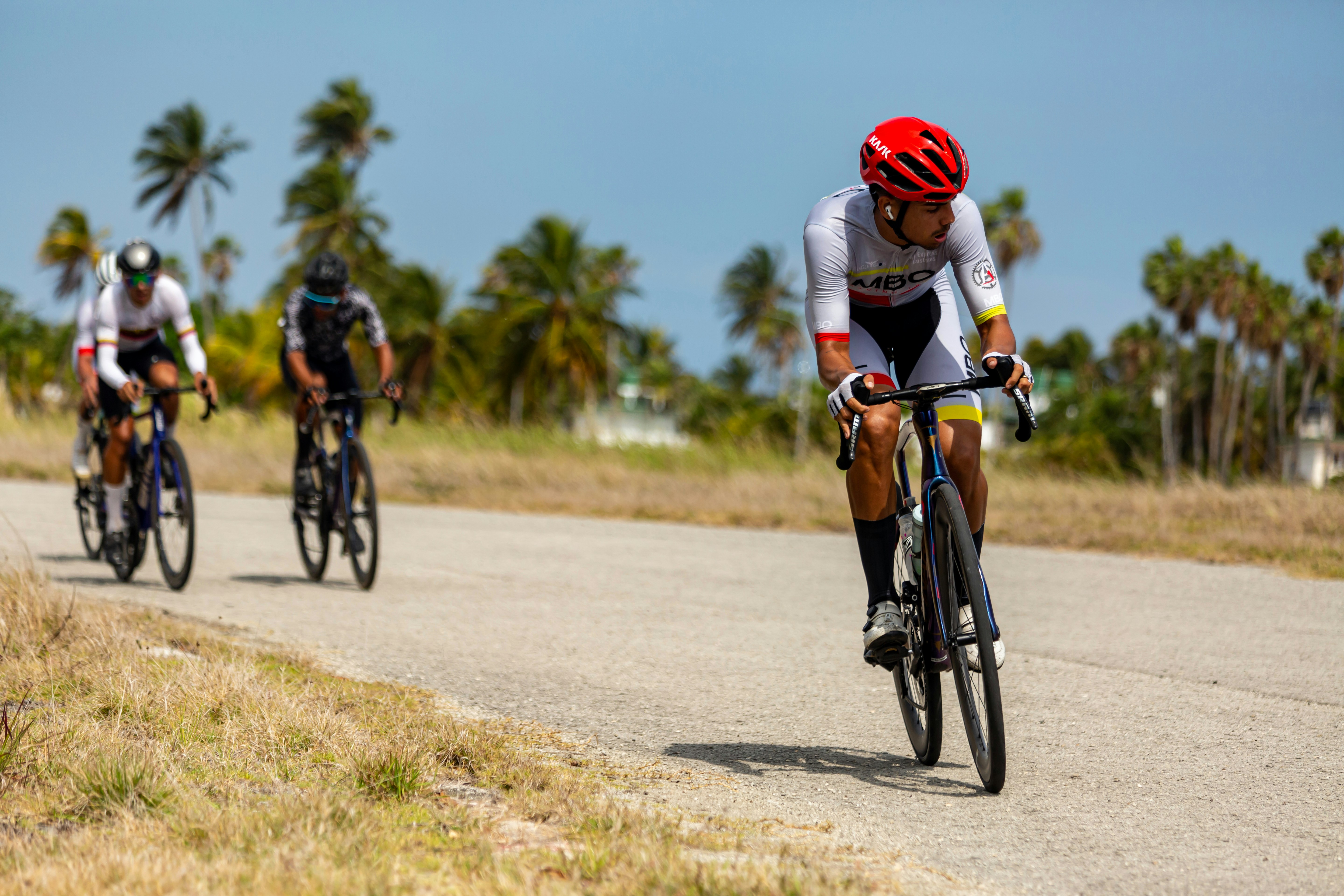
Photo by Ricardo IV Tamayo on Unsplash.
Sweet-spot training sits between steady aerobic pace and threshold, giving strong gains with manageable fatigue.
Use sweet spot when you need a clear, time-wise way to build fitness without turning every hard ride into a maximal test. The next move is simple: keep the work steady, cap the dose, and let recovery guide the next session.

Photo by Waldemar Brandt on Unsplash.
Sweet spot is the band just below threshold, often anchored near 88–95% of FTP. It feels firm, steady, and repeatable when your zones are set well.
The value is not magic. You spend enough time under load to drive useful endurance work, while avoiding the higher strain of maximal repeat efforts.
For busy riders, that makes sweet spot a strong fit beside time-wise training for cyclists. It gives you a clear hard day without making the rest of the week collapse.
Anchor the zone from a recent FTP test or lab check.
Keep the effort steady, not surging.
Stop the set if form or breathing breaks down.
Pair hard days with true easy days.
In N+One terms: keep the stimulus, reduce the collateral fatigue.
Keep the stimulus, reduce the collateral fatigue.
Sweet spot fits base-to-build training, time-crunched weeks, and fitness upkeep during race season. In August, it can also help you keep quality when heat makes long hard rides harder to repeat.
It does not replace every other kind of work. If your event needs sharp attacks, steep punchy climbs, or sprint finishes, you still need higher-end work and neuromuscular skill.
That choice is the same idea behind choosing the right power stimulus. Match the session to the demand, not to what feels most productive on paper.
Use sweet spot for aerobic growth and steady power.
Avoid stacking it when sleep or freshness drops.
Add race-like intensity when your event demands it.
Keep easy rides easy between hard days.
Sweet‑spot sits between high‑end aerobic work and threshold; it yields high training effect per hour with less acute fatigue than repeate…
Data analysis is free, forever. The Dynamic Coach is Pro. Connected to Garmin, Strava, Whoop, and intervals.icu.
PubMed-indexed endurance research supports the broad frame: sustained sub-threshold work can improve traits tied to endurance performance. The exact gain depends on the rider, the plan, and the full mix of training.
Sweet spot should be viewed as a useful training tool, not a special zone that guarantees one fixed result. It works best when the rest of the week lets the work land.
Threshold is still only one snapshot of your current state, which is why durability tells the fuller story. A rider who holds strong power late often needs more than a higher fresh FTP.
Sweet spot buys efficiency; intensity variety buys ceiling.
The common mistake is to turn sweet spot into threshold when you feel good. That may win today’s file, but it raises the cost of tomorrow’s ride.
Set the target, hold it, then change total minutes when fatigue changes. Volume is the safer dial when recovery is moving in the wrong direction.
If progress has slowed, do not assume the zone stopped working. First check whether your weekly load, heat stress, sleep, and easy-day discipline have drifted, then compare with why FTP gains can stall.
Hold the same power target across each repeat.
Cut minutes before you raise intensity.
Start with two sessions in a hard week.
Add a third only when recovery stays stable.
Keep one longer aerobic ride if time allows.
In N+One terms: volume is the fatigue dial; intensity is the stimulus button.
One tactical email with training ideas and product updates. No spam — unsubscribe anytime.
Keep reading
- Sprint Power Training: Build Explosive Neuromuscular Power for Cyclists — Develop true sprinting ability with science-based sprint sessions, year‑round programming, and practical tips for maximal 5–30s efforts. Learn recove...
- Anaerobic Work Capacity (W') for Cyclists: Train W' for Sprint Finishes and Attacks — Learn what W' means for cyclists, why it matters for sprints and attacks, and how to train and test anaerobic work capacity with a six-week block.
- Anaerobic Work Capacity (W') for Cyclists: Train W' for Sprint Finishes and Attacks — Learn what W' means for cyclists, why it matters for sprints and attacks, and how to train anaerobic work capacity with a six-week field-ready block.
Use simple signals before adding more sweet-spot work: sleep quality, resting heart rate, perceived effort, and mood. One poor marker is noise; several poor markers over days is a trend.
Your threshold did not disappear; your recovery inputs shifted, so the output dropped. When two or more signals worsen, trim the week and keep the next quality ride clean.
This is where adaptive tools help most. If you want day-to-day guidance without second-guessing, let N+One translate your latest training and recovery context into one clear next decision.
Check sleep, resting heart rate, and perceived effort.
If several markers worsen, cut sweet-spot minutes.
Replace a third hard day with easy aerobic riding.
Take one easy day after the longest set.
The recovery inputs set your usable sweet-spot volume.
Sweet spot depends on a sound FTP estimate, so test often enough to keep the target useful. A stale number can make the same workout too easy or too hard.
Power gives the target, but perceived effort tells you whether the target fits today. Heat, fatigue, and indoor airflow can all change how the same watts feel.
For long-course riders, sweet spot also feeds the skill of holding useful power late, not just riding hard while fresh. That is why holding power deep into long rides matters when your event lasts for hours.
Use a recent FTP test or lab threshold check.
Record RPE beside power after each session.
Note heat, sleep, and soreness in one line.
Shorten the set when the target feels wrong early.
Week A: Establish the rhythm. Ride two sweet-spot sessions and one longer easy aerobic ride. For each hard day, warm up well, complete steady sweet-spot repeats, and keep the rest easy enough to finish controlled.
Week B: Build only if recovery is stable. Keep two sweet-spot days, or add a third short block if sleep, resting heart rate, and freshness look normal. Add higher-intensity work only when your event needs it and recovery supports it.
Week C: Deload and assess. Cut total sweet-spot time, replace one hard day with easy aerobic riding, and use the extra freshness to judge whether the next block should repeat or progress.
This week’s clear move: do two focused sweet-spot workouts, such as 2×20 minutes with easy riding between, plus one easy aerobic day. If recovery signs worsen, reduce weekly volume by 15–25% for seven days.
Sweet-spot training sits between steady aerobic pace and threshold, giving strong gains with manageable fatigue when the dose is controlled. Keep intensity steady, use volume as the main adjustment, and let recovery signals decide whether you build, repeat, or back off.
Not always. Sweet spot is useful when you need strong aerobic work with a lower recovery cost, but threshold and higher-intensity work still matter when your event demands them.
For many time-crunched riders, two focused sessions is the clean starting point. Add more only when sleep, resting heart rate, perceived effort, and freshness stay stable.
Do not chase the number blindly. Keep the target for one controlled attempt, then shorten the session or cut weekly volume if recovery markers also look worse.
It can if it crowds out easy endurance, sprint work, and race-specific intensity. Use it as one lever in the system, not the whole plan.
AI for your training — connected to your wearables.