Inside the AI Cycling Coach: How Machine Learning Personalizes Your Training
5 min read


Photo by Lovi Stinio on Unsplash
Inside the AI cycling coach: how machine learning uses ride, wearable, and recovery data to personalize training and guide your next session.
On this page

Photo by Yury Kirillov on Unsplash.
Machine learning personalizes cycling training by turning your ride, wearable, and recovery data into one clearer next session.
How ML personalizes training — the short version. Machine learning in a cycling coach does not replace physiology; it formalizes the relationship between your inputs and your responses. The coach reads session and wearable signals, then fits models that map recent load and recovery to expected performance and fatigue.
A static plan assumes the map is right when it is written. A machine learning coach keeps redrawing the map as your rides, rest, and life stress add new signal.
The core loop is simple: collect, model, predict, adapt. Your power, heart rate, cadence, sleep, and post-ride effort notes help the system judge whether today should build, hold, or back off.
That is the useful shift behind how adaptive coaching changes training. The goal is not more data for its own sake; it is a cleaner decision when your body gives mixed signs.
Sync recent rides before judging a recommendation.
Log effort after key sessions, not just after hard ones.
Treat the next workout as a decision, not a verdict.
Check whether travel, heat, or stress changed the inputs.
The promise is a clearer next session when your signals start to drift.
Your threshold did not disappear; the training system around it changed, so the next step should change too.
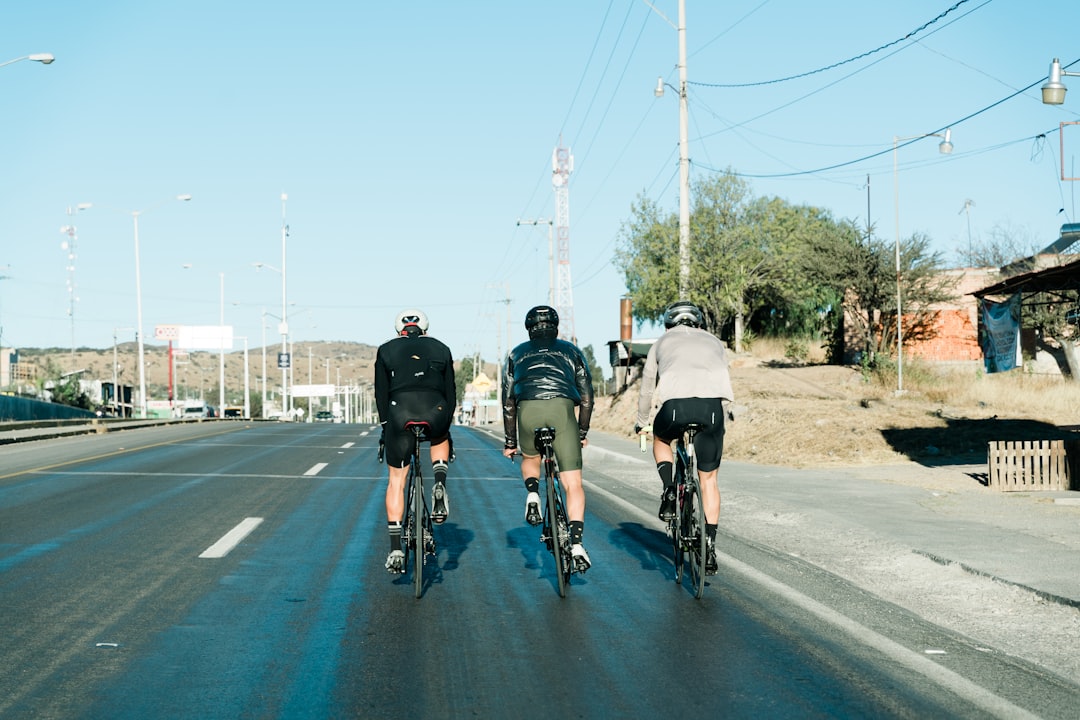
Photo by José Pablo Domínguez on Unsplash.
A useful model does not need to know everything about you. It needs repeated links between training inputs and later responses, so it can learn what tends to happen next.
In supervised learning, past sessions and recovery notes are matched with later outcomes. Sequence models add time order, which matters because a hard ride today can still shape tomorrow’s legs.
Over many cycles, the coach can move from broad rider norms toward your own response curve. That is the same idea behind how the coach learns your quirks, but applied to each new block.
The honest part is uncertainty. When the model has thin data, mixed signals, or an odd week, the safest good answer is often a smaller change.
Give the model repeated weeks, not one perfect file.
Keep hard, easy, and rest days labeled clearly.
Expect safer choices when the data are thin.
Use trend direction more than one noisy score.
The model learns your recovery curve rather than forcing a generic stress-to-fitness story onto every week.
ML personalization is a data-driven loop: collect, model, predict, adapt.
Data analysis is free, forever. The Dynamic Coach is Pro. Connected to Garmin, Strava, Whoop, and intervals.icu.
Quality beats volume. A week of clean power, heart rate, cadence, sleep, and effort notes can be more useful than months of broken files.
Power shows the work done, while heart rate gives a rough view of internal strain. Cadence, session shape, and perceived effort add context that raw watts can miss.
Your subjective notes matter because they name what sensors may not see. A heavy work week, poor sleep, or summer heat can make the same workout land differently.
This is where feedback loops after each ride become useful. Each honest file trims guesswork, while each missing or noisy input widens the model’s doubt.
Calibrate or zero your power meter when needed.
Record heart rate on both easy and hard rides.
Add a short readiness note before training.
Log post-ride RPE before you forget the feel.
Flag travel, heat, sickness, or poor sleep.
Better signal gives the coach sharper room to adapt your next session.
One tactical email with training ideas and product updates. No spam — unsubscribe anytime.
Keep reading
- AI Cycling Coaching Benefits for Everyday Riders — Discover how AI cycling coaching delivers personalized, adaptive plans that fit your life and physiology. Learn practical, science-based benefits, re...
- Why an AI Cycling Coach Does Not Need Lab Tests to Personalize Your Plan — An AI cycling coach can personalize training from ride data, recovery trends, and effort notes without routine lab tests. Learn when labs still help.
- Pattern Recognition in AI Coaching: How Models Spot the Plateau You Missed — Learn how AI coaching uses time-series patterns, change points, and explainable signals to spot cycling plateaus and guide one clear next move.
Models learn from usual patterns. They are less reliable when you bring them rare events, changed equipment, illness, new medicine, or a sudden life shock.
That does not make the coach useless. It means the model should ask for context, lower confidence, and avoid bold load changes until the pattern is clear again.
If a power meter reads wrong, the coach may see false fitness or false fatigue. For that reason, what happens when data lies is not a niche problem; it is core coaching hygiene.
Human judgment still matters when the stakes rise. A rider, clinician, or human coach may know context that no workout file can hold.
Pause hard work when illness signs are present.
Check sensors after strange power or heart rate files.
Tell the coach about travel or altitude exposure.
Use a human coach or clinician for health concerns.
The system can learn patterns, but you still own context that has not yet become data.
Start with one small change: make the inputs steadier before you ask the coach to be bolder. A model can only learn from what you give it.
In a hot August training week, your usual pace may feel worse even when fitness has not dropped. Note heat, sleep, and perceived effort so the model does not treat every slow ride as lost form.
Then let the coach trim load when uncertainty rises. Keep one key session if you feel well, but use easier aerobic work around it so adaptation has room.
This is the practical edge of real-time training adaptation. The value is not a busier plan; it is one next step that fits the system you are in today.
Do a short morning readiness check.
Keep one quality session if you feel stable.
Use aerobic rides when recovery signals lag.
Let the coach reduce volume before adding work.
Review the trend after the lighter week.
The next move is not to guess harder, but to make the next signal cleaner.
Keep the key stimulus, trim the extra load, then reassess when the signals settle.
Day 0 — Baseline check: Record a morning readiness note with resting heart rate if you track it, plus a simple readiness score. Sync recent workouts and sleep data, then note travel, illness, heat exposure, or medication changes.
Days 1–7 — Conservative recalibration: If the coach signals higher uncertainty, allow a short load cut rather than forcing the old calendar. Keep one short quality session only if you feel stable, and log RPE after every ride.
Days 8–14 — Assess and progress: Compare how the predicted session felt against the actual ride. If readiness and workout feel have improved, ease back toward normal volume; if signals still clash, hold the conservative phase and seek human guidance when needed.
Machine learning personalizes cycling training by turning your wearable, session, and recovery data into a living model of response. The best use is simple: improve the signal, let the coach adapt the load, and follow one clear next session rather than rebuilding the whole plan each day.
No. It can handle frequent data checks and daily plan changes, while a human coach adds judgment, goal framing, and context when the situation is unusual.
The coach can still work, but uncertainty rises. Start by making power, heart rate, sleep, and effort notes more consistent before expecting sharper recommendations.
Use the recommendation as the best data-based next step, then add human context. If you are ill, injured, or dealing with a health concern, pause intensity and seek qualified help.
Not necessarily. Repeated field data can help the model learn your patterns, though lab data may add useful context for some riders and goals.