Tool Use in Coach Chat: When the Model Looks Up Sessions vs When It Reasons
5 min read

Learn when coach chat should look up recent sessions or wearable data, when it should reason from context, and how to use a simple anchor-decide-verify workf…
On this page
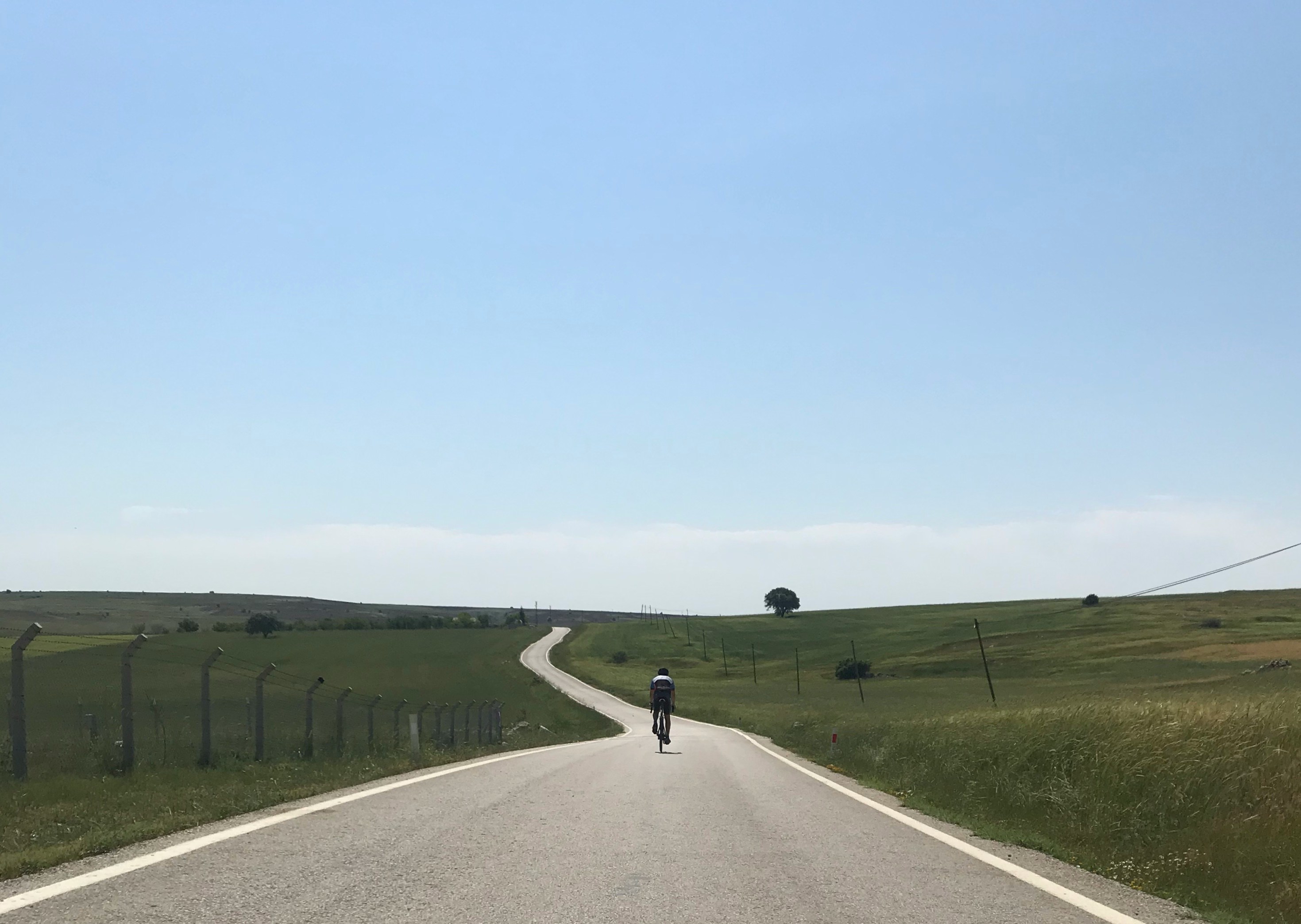
Photo by Oktay Yildiz on Unsplash.
Use lookups for fresh, verifiable data. Let the model reason when it must turn that data into one clear coaching decision.
For cyclists, the split is simple: lookup anchors the chat in what happened, while reasoning decides what to do next. Retrieval can fetch recent rides, wearable logs, or cited sources when those sources are available. Reasoning then weighs the pattern, your goal, and the trade-off for the next session.
A coach chat can sound smooth while doing two different jobs. It may look up a past ride, or it may reason from the data already in the thread.
Those jobs fail in different ways, so you should ask for the right one. If the log is missing or stale, lookup can mislead the decision before reasoning starts.
Reasoning has a different risk. It can overreach when it turns weak inputs into firm claims, which is why grounded advice from wearable data matters.
In N+One terms: treat lookups as your data anchor and reasoning as your coaching lens.
Use lookup for exact sessions, device logs, or cited sources.
Use reasoning for trade-offs, priorities, and next-session choices.
Check timestamps when a ride or wearable trend drives the plan.
Ask the model to state uncertainty when data are thin.
This keeps fresh data separate from the coaching judgment built on top of it.
Lookup gives the anchor; reasoning gives the coaching lens.

Photo by Rille Camera Strap on Unsplash.
Ask for lookup when the choice depends on exact facts. That includes recent workouts, current wearable streams, changed health status, or a safety concern.
The same rule applies when the model names a study or makes a medical claim. The grounded source here is a PubMed search, which did not return indexed studies specific to this tool-versus-reasoning topic.
For training logs, lookup should show the session or metric it used. If the model cannot show the source, treat the answer as a draft, not a prescription.
This is also where model confidence and uncertainty should be plain. A low-confidence answer can still help, but it should not pretend to be measured fact.
Ask for lookup when the decision needs recent ride data.
Require citations for medical or physiology claims.
Check source dates before changing a plan.
Do not accept guessed metrics as real logs.
Lookup (external session/data fetch) when the decision depends on up-to-date facts: recent sessions, device streams, medication changes, …
Data analysis is free, forever. The Dynamic Coach is Pro. Connected to Garmin, Strava, Whoop, and intervals.icu.
Let the model reason when the facts are already clear enough. The task is then to weigh the next move, not to find one more number.
Reasoning is useful for pattern checks, session trade-offs, and recovery choices. It can compare a hard ride, an endurance ride, and a rest day when all three look plausible.
That is the coaching layer behind choosing between Tuesday workouts. The model should name one move and state why that move fits the pattern.
Reasoning should stay tied to the inputs. If one missing value would change the answer, the model should ask for lookup before it speaks firmly.
Use reasoning after the key facts are known.
Ask for one next session, not a long menu.
Keep the rationale short and tied to the data.
Request lookup if one value could change the answer.
Reasoning is the plan choice, not the proof that the data are real.
Use a short workflow so the chat does not drift. First, anchor the model with the smallest data set that can support the choice.
Second, ask for one clear decision. Third, verify any value that changed the plan, especially when the answer shifts intensity, rest, or workload.
This hybrid method is close to real-time training adaptation, but the guardrail is simpler. Fetch only what matters, then reason within that frame.
If you want day-to-day guidance without second-guessing, let N+One translate your latest training and recovery context into one clear next decision.
Anchor: load recent sessions or paste the needed data.
Decide: ask for one clear next prescription.
Verify: show the source value behind any change.
Stop when the next move is clear.
This turns fresh data into one clear decision without adding chat noise.
One tactical email with training ideas and product updates. No spam — unsubscribe anytime.
Keep reading
- Ground Truth for an AI Cycling Coach: Where the Model Gets Its Beliefs From — Learn where an AI cycling coach gets its ground truth from, why labels and sensors matter, and how to run a seven-day audit before trusting new guida...
- How the AI Coach Chooses Between Race Prep and Consistency — How an AI coach chooses between race prep and consistency using event timing, training load, fitness, and recovery signals to make one clear next dec...
- Best AI Cycling Coach: From Raw Data to Race Wins — Turn years of Strava, Garmin, and Wahoo logs into race-ready progress. How the Dynamic Coach on connected wearables standardizes messy data, models TSB/CTL/ATL, and...
A model cannot read devices unless the system has that access. If your watch, head unit, or training app is not linked, the chat may only know what you paste.
Retrieval is also only as good as the source. Bad timestamps, duplicate rides, or missing files can make a precise-looking answer wrong.
Reasoning needs guardrails too. For medical or physiology claims, ask for PubMed or NIH-style sources, and do not treat unsupported chat text as clinical advice.
When the data look wrong, failure modes in AI coaching become the main issue. The next move should be conservative until the source is clear.
Confirm whether devices are linked before asking for logs.
Watch for duplicate rides or mismatched time zones.
Ask for direct citations on health claims.
Choose the lower-risk session when data are missing.
A good prompt says which job the model should do first. Retrieval-first prompts start with the source, while reasoning-first prompts start with the known pattern.
Try this retrieval-first ask: “Load my recent rides, show the key metrics used, then give one session for tomorrow.” It forces the model to expose the anchor before the prescription.
Try this reasoning-first ask: “Given a clear dip in readiness but steady ride feel, choose one short-term change and explain it briefly.” If the model needs exact values, it should ask for them.
For a hybrid ask, say: “Pull my recent sessions, choose one intensity change, and cite the metric that drove it.” That keeps pattern spotting in AI coaching tied to evidence.
Retrieval-first: load the data before the plan.
Reasoning-first: start from the known pattern.
Hybrid: fetch, decide, then cite the driver.
End with one next move.
A clean prompt tells the model whether to fetch first, reason first, or do both.
Step 1 — Anchor: Tell the model to pull your recent session data and wearable metrics, or paste a small CSV excerpt. Ask it to show the source line for any metric it uses.
Step 2 — Decide: Ask for one clear next move, such as the next session type, intensity range, volume tweak, or recovery target. Keep the rationale short and request a confidence label.
Step 3 — Verify: If the recommendation changes the plan, ask the model to show the exact data point or citation behind the change. If it cannot, choose the lower-risk option and reassess after the next session.
Use lookups for fresh, verifiable data, and let the model reason when it must turn those inputs into one clear training choice. Your best coach-chat workflow is anchor, decide, verify.
No. Ask for lookup when the answer depends on recent or exact data. If the facts are already in the chat, ask the model to reason from them and give one next move.
Treat it as reasoning, not verified retrieval. Ask for the source value, timestamp, or citation before you change a workout based on that answer.
No. For medical or physiology claims, require authoritative citations and involve a qualified clinician when health status, medication, symptoms, or diagnosis are in scope.
Choose the lower-risk training option and reassess soon. In practice, that often means keeping the next decision simple rather than adding intensity from weak inputs.
ChatGPT for your training — connected to your wearables.