Pattern Recognition in AI Coaching: How Models Spot the Plateau You Missed
5 min read

Learn how AI coaching uses time-series patterns, change points, and explainable signals to spot cycling plateaus and guide one clear next move.
On this page
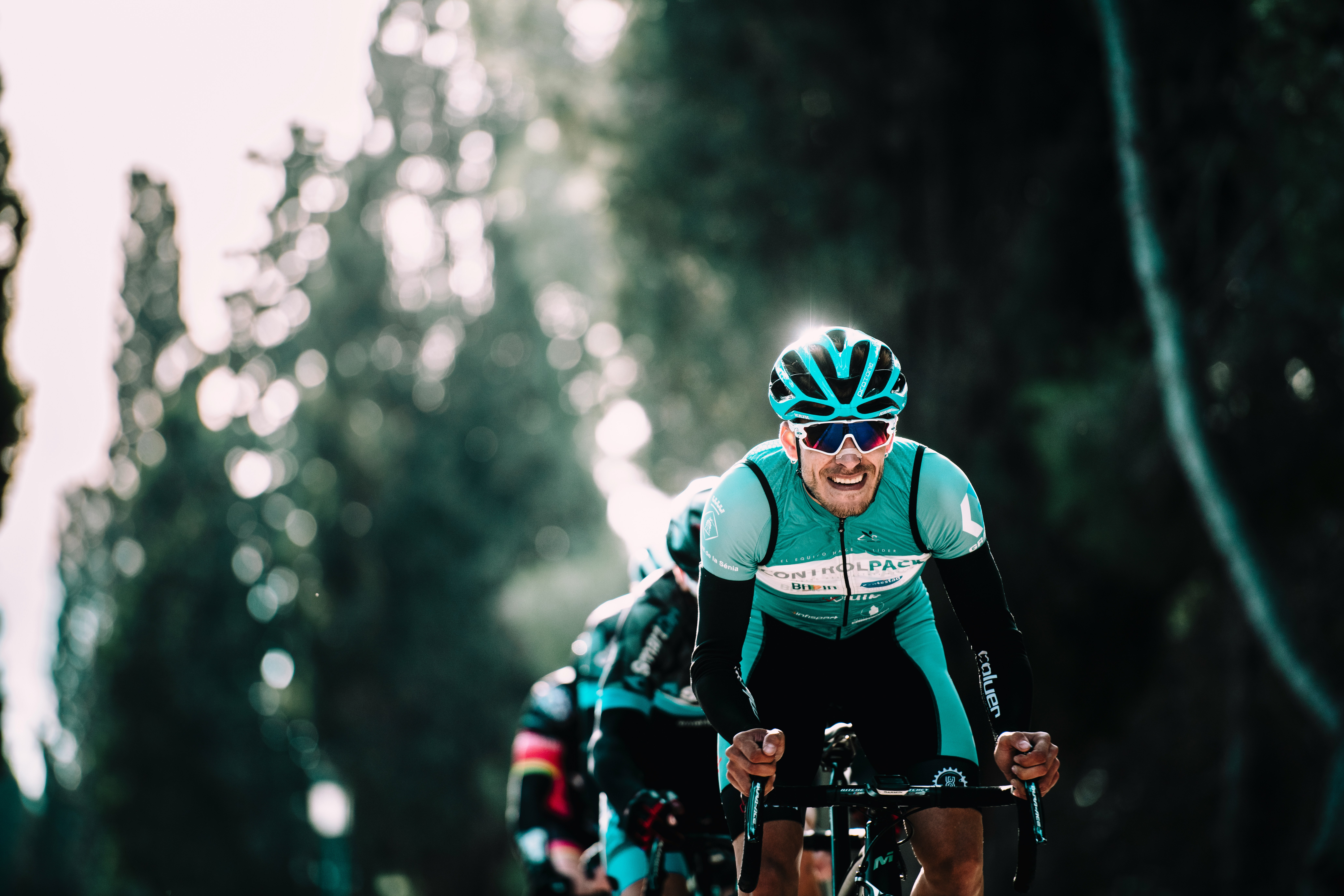
Photo by Angel Santos on Unsplash.
AI coaching spots plateaus by finding shifts and repeating patterns in your training data. The next move is cleaner input, then one targeted change.
A plateau rarely shows up as one bad ride. It more often appears as a slow mismatch between your training input and your output, with noise from weather, life stress, sleep, and equipment layered on top. Pattern recognition helps by watching the whole stream instead of one headline number.
Photo by Will Truettner on Unsplash.
Small, repeated changes in load and recovery can hide inside normal training noise. You may see the same weekly hours, yet the system around those hours has shifted.
A model can watch power, heart rate, workout type, perceived effort, and timing as one data stream. That is the core promise behind adaptive ride-by-ride coaching, not a claim of perfect foresight.
The key is pattern, not panic. Your threshold did not vanish overnight; the data may show that your training input no longer gives the same output.
Track the same core fields after each ride.
Keep workout labels clear and simple.
Add perceived effort while memory is fresh.
Review trends, not one-off bad days.
This keeps the model focused on real drift, not random noise.
In N+One terms: a plateau is a system signal before it is a character flaw.

Photo by David Dvořáček on Unsplash.
Pattern recognition treats your log as a time series, which means order and timing matter. A hard ride after rest carries a different signal than the same ride after several load-heavy days.
Models look for steady shifts, abrupt change points, and repeated mismatches between target work and achieved work. Rolling-window trend analysis helps smooth daily noise while keeping recent change visible.
The strongest flag comes when several inputs tilt the same way. For example, workout analysis from each ride may show lower interval quality while your own effort notes rise.
Clustering can group similar response profiles, while supervised learning can use labeled past outcomes if those labels exist. Without labels, the system should state uncertainty and show which features shaped the flag.
Look across several linked rides.
Compare effort notes with power output.
Check whether intervals fade sooner.
Use trend visuals before changing the plan.
In N+One terms: the system flags when multiple inputs shift together, not when one metric hiccups.
Data analysis is free, forever. The Dynamic Coach is Pro. Connected to Garmin, Strava, Whoop, and intervals.icu.
One tactical email with training ideas and product updates. No spam — unsubscribe anytime.
Pattern-recognition = finding stable, repeating signals and abrupt shifts in time-series training data.
A model can infer that recovery and output no longer match, but it cannot prove the cause alone. Training data is not the same thing as clinical testing.
That boundary matters because fatigue-like patterns can have many sources. If poor response persists despite reduced load, the safer move is to seek qualified medical or coaching review.
Good systems make uncertainty visible. Feature attribution, clear trend charts, and simple rules help a coach decide whether the flag is useful or too thin.
This is also where AI and human coaching roles differ. The model can screen every ride, while a human can weigh context the log may miss.
Treat the alert as a hypothesis.
Do not self-diagnose from training data.
Escalate if symptoms or poor response persist.
Ask what data drove the flag.
Keep reading
- Why N+One Is the Best Free AI Cycling Coach Alternative — Discover how N+One delivers a free AI cycling coach experience: personalized training plans, real-time adaptation (CTL + ATL = TSB), and practical se...
- Compliance vs Adaptation: When Your AI Coach Should Override What You Want to Do — Learn when an AI cycling coach should honor your plan, when it should adapt the session, and how clear override rules build trust.
- N+One vs Free Cycling Apps: What an AI Coach Adds Beyond a Workout Library — Compare N+One with free cycling apps and learn what an AI coach adds beyond a static workout library: personalization, adaptation, and one clear next...
The best first move is narrow and reversible. Keep the signal of intensity, trim total load, and see whether output begins to line up again.
Do not change every part of training at once. If you alter volume, intensity, sleep, fueling, and testing together, the model loses a clean read on what worked.
Use real-time training adaptation as a feedback loop, not as a reason to chase every daily swing. The goal is one clear next decision.
If the trend improves, ease back toward the prior plan. If it does not, hold the lower load and bring in a coach or clinician who can test what ride files cannot.
Keep key intensity in place.
Cut total riding load for one week.
Use the same check ride format.
Compare power with perceived effort.
Escalate if the pattern does not shift.
This turns the plateau flag into one clean training choice.
In N+One terms: maintain stimulus, reduce load so the system can re-center, then verify with repeatable checks.
Day 0: Treat the model flag as a working hypothesis. Reduce weekly riding volume by about one fifth, while keeping the planned quality session shorter and clean.
Days 1–3: Keep inputs steady. Log sleep, perceived effort, workout type, and any unusual context so the model can compare like with like.
Days 1–3: Ride two controlled sub-threshold sessions at familiar effort. The aim is not to set a best effort, but to check whether power and effort feel aligned.
Days 4–7: Run one short validation workout that you already know well. Compare output, effort, and fade against your own baseline rather than another rider.
Days 8–14: If the trend moves back toward normal, restore volume gradually. If it does not, keep load low and seek coach or clinical review.
AI coaching spots plateaus by finding shifts and repeating patterns in your training data, then turning that signal into one measured change. Feed the model clean inputs, cut load briefly when the pattern holds, and reassess before you rewrite the whole plan.
No. It can infer likely training-pattern causes from your data, but it cannot diagnose illness, deficiency, or sleep disorders without clinical input.
Usually no. The cleaner first move is to keep a small dose of quality work and reduce total volume, so you preserve the training signal.
More consistent data gives a better signal. The practical starting point is several weeks of steady metrics, regular timestamps, and clear workout labels.
Treat the mismatch as useful context. Check whether the model is missing notes such as travel, heat, poor sleep, or equipment changes before altering the plan.