How an AI Cycling Coach Detects Overtraining Before You Feel It
5 min read

Learn how an AI cycling coach spots early overtraining risk through HRV, resting heart rate, power trends, sleep, and baseline modeling, plus a 7-day action …
On this page
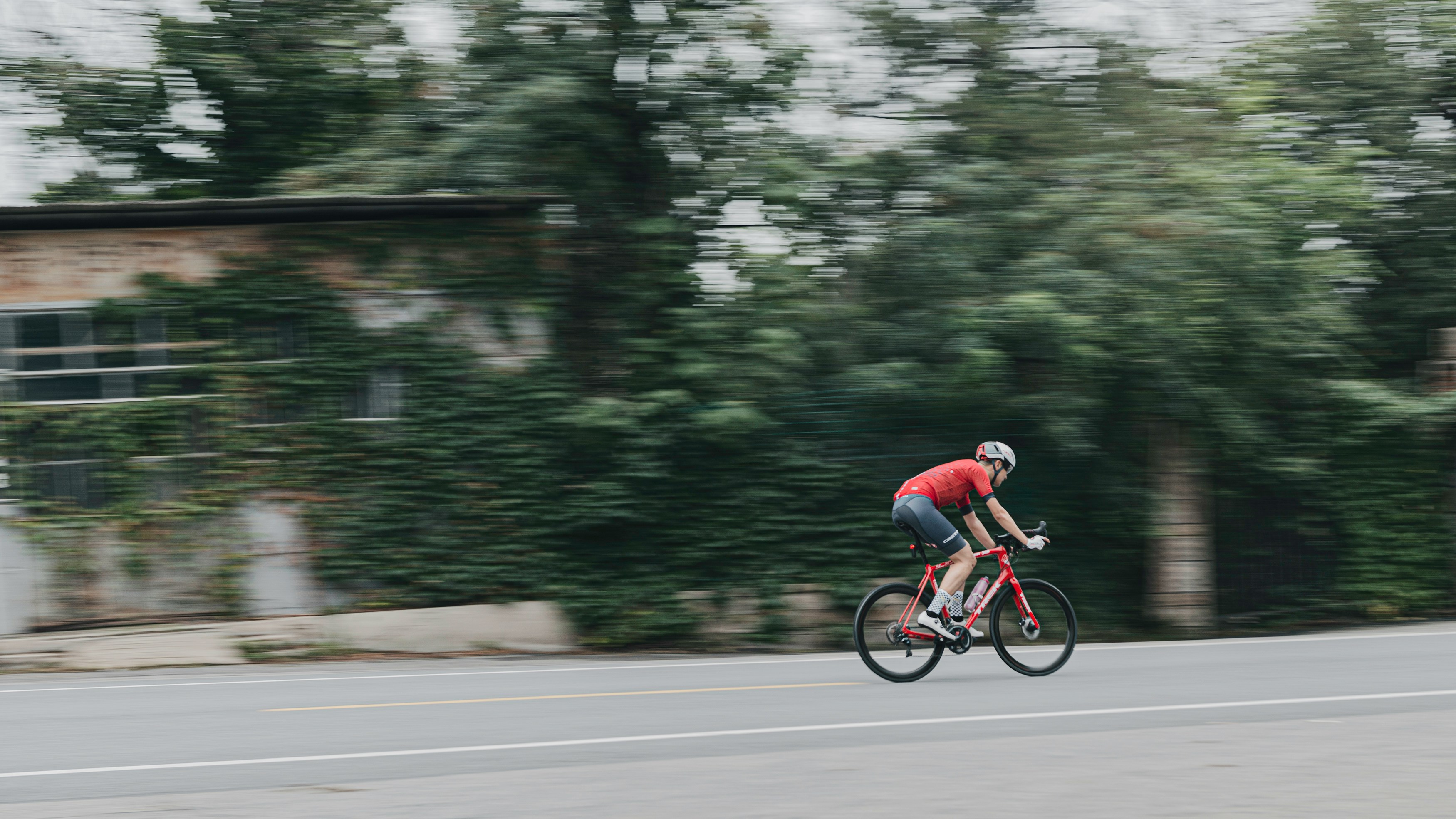
An AI cycling coach flags emerging overtraining by spotting small, consistent mismatches across physiology, performance, and behaviour.
Overtraining is best treated as a pattern problem, not a single bad morning. PubMed-indexed research supports longitudinal monitoring, but single metrics still need context before they guide training changes.
Photo by Mathias Reding on Unsplash.
Overtraining risk builds when training stress and recovery no longer line up over time. You may still finish rides while the system underneath starts to drift.
The useful signal is not one low HRV reading or one poor power file. It is the same direction of change across physiology, output, and how you feel.
An AI coach can scan that pattern each day, much like adaptive coaching reads live training data. The aim is not to label you as broken, but to spot when the plan needs a smaller load.
Watch trends over days and weeks, not single blips.
Compare each marker with your own baseline.
Read heart rate, HRV, power, sleep, and wellness together.
Treat an alert as a load signal, not a failure.
The promise is earlier course correction before fatigue becomes obvious.
In N+One terms: we monitor system-level drift, not isolated spikes.
Photo by Ioana Cristiana on Unsplash.
The coach first looks for steady changes in resting heart rate and heart-rate variability. These markers can reflect stress state, but they are noisy when used alone.
Performance then gives the second check. If normal efforts need a higher perceived strain, or power falls for familiar work, the model marks a mismatch.
Context matters because life stress often hides inside training files. Poor sleep, illness, travel, and sudden load jumps can change how the same ride lands in your body.
This is where ride data becomes clear coaching feedback, instead of another chart to doubt. The coach weighs the whole set before it asks you to back off.
Track resting heart rate against your own norm.
Use nocturnal HRV trends when available.
Flag power drops at familiar perceived effort.
Log sleep, illness, travel, and soreness.
Look for aligned signals before changing the plan.
Data analysis is free, forever. The Dynamic Coach is Pro. Connected to Garmin, Strava, Whoop, and intervals.icu.
One tactical email with training ideas and product updates. No spam — unsubscribe anytime.
AI combines multiple weak signals — heart-rate variability, resting heart rate, training load trends, power-for-duration shifts, sleep an…
Good coaching software should not treat population cutoffs as truth for every rider. Your baseline is the first filter, because your normal may not match another rider’s normal.
The next filter is probability. A model asks whether today’s pattern looks like usual variation, or whether several weak signals now point the same way.
That approach is the core of how machine learning personalizes training. It does not remove judgment, but it gives the coach a better starting point.
False alarms still happen. The safeguard is to pair the alert with a small training change, then see whether the markers move back toward baseline.
Use rolling baselines instead of fixed cutoffs.
Raise concern when several signals align.
Lower confidence when data quality is poor.
Check context before treating fatigue as training risk.
A better model turns scattered warning signs into one clear next decision.
In N+One terms: the coach asks whether the whole training system is drifting, not whether one gauge blinks red.
Keep reading
- Adaptive Training Plans: Use Biology to Prevent Burnout — Adaptive training plans read your HRV, resting heart rate, sleep and training load to adjust intensity in real time. Learn practical, science-based r...
- How N+One’s AI Cycling Coach Works — A Deep Dive — Discover how N+One’s AI cycling coach delivers personalized training plans and adaptive coaching. Learn how real-time data (power, HRV, sleep), CTL/A...
- AI Cycling Coach Benefits — Why N+One Is Essential for Smarter, Sustainable Gains — Discover AI cycling coach benefits with N+One: personalized, adaptive, data-driven training and recovery optimization that helps cyclists train smart...
When the coach flags concern, do not add more work to prove fitness. Keep the training rhythm, but reduce total load for the next week.
The clean move is a short volume cut while keeping one quality touch. This protects the habit of training without asking a tired system to absorb more stress.
If you need the wider framework, use a better training and recovery balance as the guardrail. Your threshold did not disappear; your recovery inputs shifted, so the output dropped.
If you want day-to-day guidance without second-guessing, let N+One translate your latest training and recovery context into one clear next decision.
Cut total training time by 20% for seven days.
Keep one planned intensity session, but shorten it.
Make the rest of the rides easy.
Log readiness and perceived effort each day.
Reassess before returning to full volume.
In N+One terms: keep the stimulus quality, ease the load.
Day 1: Accept the alert and stop adding extra work. Replace planned long endurance time with an easy 45–60 minute ride at conversational pace. Log sleep, resting heart rate, and perceived effort.
Days 2–6: Reduce total weekly training time by about 20% from your recent baseline. Keep one planned intensity session, but shorten it by about 25%. Make the other sessions easy and keep notes on sleep, soreness, mood, and appetite.
Day 7: Compare resting heart rate, nocturnal HRV, power-for-effort, and subjective readiness with your baseline. If markers move back toward normal, resume planned volume. If they remain off, extend the reduced week and speak with a coach or medical professional when symptoms persist.
An AI cycling coach detects overtraining risk by spotting small, consistent mismatches across physiology, performance, and behaviour, then turning that pattern into one clear load decision. Keep intensity structure, cut volume for seven days, and reassess against your own baseline.
No. An AI cycling coach can flag risk patterns in training and recovery data, but diagnosis belongs with a qualified medical professional. Treat the alert as a reason to adjust load and watch trends.
One low reading is not enough. Sleep loss, measurement noise, alcohol, stress, or illness can all affect the number. Look for repeated shifts that line up with resting heart rate, power, and how you feel.
Not by default. A short volume cut with one shortened quality session is often the cleaner first step, unless symptoms or medical advice point to full rest.
It does not have to. AI is strongest at daily pattern checks and fast feedback, while a human coach can add judgment, conversation, and race context. Many riders benefit from both.