N+One vs Free Cycling Apps: What an AI Coach Adds Beyond a Workout Library
5 min read

Compare N+One with free cycling apps and learn what an AI coach adds beyond a static workout library: personalization, adaptation, and one clear next step.
On this page

Photo by Sebastian Herrmann on Unsplash.
An AI coach adds dynamic personalization and one clear next step beyond a static workout library.
Free cycling apps can be useful when you want a session list, a basic plan, or some variety for the week. N+One is built for a different job: reading your latest training context and turning it into a clear next decision.
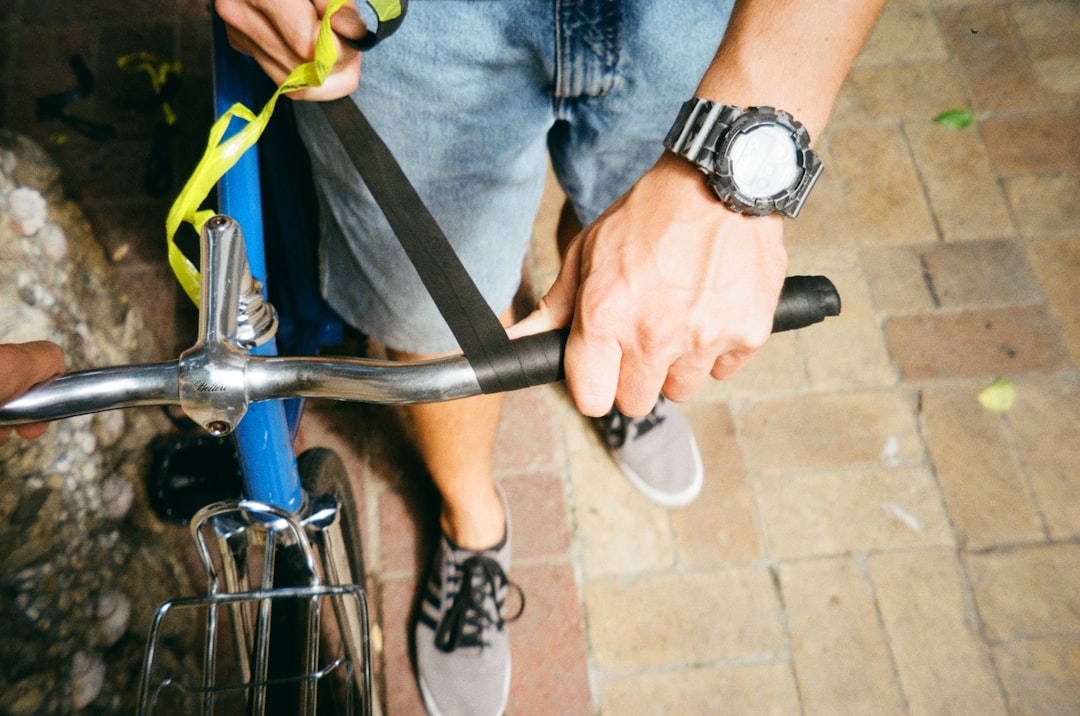
Photo by Christine Saramaga on Unsplash.
A workout library gives you a shelf of sessions, filters, and often a fixed plan. You still choose the workout, judge the week, and decide when to back off.
An AI coach does more than store workouts. It reads recent rides, available metrics, and your stated goal, then shapes the next training step around that context.
That shift matters when your plan meets real life. A static app can show choices, while N+One’s accessible coaching flow narrows the choice to the session that best fits today.
Workout library: fixed sessions, picked by you or a preset plan.
AI coach: adapts sessions from recent training and recovery signals.
AI coach reads trends instead of only adding more sessions.
Practical difference: fewer edits and clearer day-to-day choices.
In N+One terms: a library is a gym shelf; an AI coach is the mechanic who keeps the system tuned.
A library is a gym shelf; an AI coach is the mechanic who keeps the system tuned.

Photo by Tatev Ayvazyan on Unsplash.
Personalization starts with inputs, not guesswork. An AI coach can use ride files, heart-rate data, subjective feedback, calendar limits, and your target event.
Recent data often matters more than old data when the plan is set for this week. If your latest rides show strain or missed sessions, the next step should not copy a stale plan.
The best use case is not more data for its own sake. It is turning enough clean data into a plan, like how N+One builds a cycling week from goals to daily work.
Objective work: power, speed, or ride files from recent sessions.
Body signals: heart-rate trends and sleep data if available.
Subjective inputs: fatigue, soreness, mood, and time to train.
Context: events, travel, routes, equipment, and weather limits.
A workout library provides structured sessions but is static and requires manual selection.
Data analysis is free, forever. The Dynamic Coach is Pro. Connected to Garmin, Strava, Whoop, and intervals.icu.
The main change is not that the workout looks exotic. The main change is that the workout fits your current state better than a fixed calendar can.
If fatigue is building, the coach may keep the habit but change the stress. That could mean less total work, a steadier ride, or a session matched to your current zone targets.
This is where an AI coach should feel practical. It should turn raw files into action, much like ride analysis that becomes a next step, not a long list of charts.
Adjusts volume when your recent trend calls for less or more work.
Adjusts intensity mix when recovery feedback is low.
Targets sessions to zones instead of vague effort labels.
Moves hard work away from days that no longer fit.
In N+One terms: the AI does not just hand you a program; it edits the program around your real life.
The AI does not just hand you a program; it edits the program around your real life.
One tactical email with training ideas and product updates. No spam — unsubscribe anytime.
Keep reading
- Inside the AI Cycling Coach: How Machine Learning Personalizes Your Training — Discover how an AI cycling coach uses machine learning, predictive analytics, and real-time adaptation to deliver personalized coaching and training...
- Best AI Cycling Coach: From Raw Data to Race Wins — Turn years of Strava, Garmin, and Wahoo logs into race-ready progress. How the Dynamic Coach on connected wearables standardizes messy data, models TSB/CTL/ATL, and...
- AI Cycling Coach: How Adaptive Coaching Unlocks Consistent Gains — Discover how an AI cycling coach delivers adaptive, science-based training—real-time adjustments, CTL/ATL-driven periodization, and practical steps t...
An AI coach is only as useful as the data and context you give it. If you hide illness, soreness, poor sleep, or heavy work stress, the plan may miss key signals.
It also cannot replace your judgement during a ride. If a session feels wrong in a way the data did not predict, stop and report that feedback before the next prescription.
That is why the better question is not AI versus humans. It is how tools and judgement work together, a trade-off explored in AI coaching versus human coaching.
Report illness, pain, or unusual fatigue before following a hard session.
Treat poor or missing data as a limit, not a verdict.
Use the coach’s call as guidance, not an absolute rule.
Keep honest notes so the next decision has better context.
Use an AI coach when you train often enough that small choices compound across weeks. The value is less plan fiddling and more fit between the day and the work.
Stick with a free app if you ride for variety, low structure, or social time. A library can be enough when you do not need steady progression or close tracking.
If you are unsure, compare the friction. When planning starts to take more effort than riding well, an adaptive coaching system is the cleaner tool.
Pick an AI coach if you train consistently and want fewer plan edits.
Pick a library if you want casual choice and low tracking.
Use the AI for structured weeks and the library for easy variety.
Reassess based on adherence, freshness, and session quality.
In N+One terms: use the coach when your training system benefits from continuous tuning; use a library for ad-hoc variety.
Use the coach when your training system benefits from continuous tuning; use a library for ad-hoc variety.
Day 0 — baseline setup: Export two recent weeks of rides and note your usual weekly volume, main ride durations, and one upcoming goal. Record resting heart rate if you track it, plus a one-line recovery score from 1 to 10.
Days 1–3 — AI coach onboarding: Connect your ride files, power data if available, and heart-rate data if available. Answer questions about sleep, stress, time, and goals honestly, then follow the prescribed sessions without manual edits.
Days 4–6 — compare with a free app: Pick sessions from a free app that match the AI plan’s time and broad effort. Do not reshape either plan during the test, and note perceived effort after each ride.
Day 7 — review and decide: Compare adherence, perceived recovery, and session quality. Keep the AI if it made the week easier to steer while keeping training useful; keep the library if you valued simplicity more.
Single clear next move: If you want day-to-day guidance without second-guessing, let N+One translate your latest training and recovery context into one clear next decision.
A free cycling app gives you workouts. An AI coach adds dynamic personalization, reads your latest context, and turns it into one clear next step. Use the library when you want choice; use N+One when you want the training system tuned for what you can do now.
No. A free app can be enough if you ride casually, want variety, or do not want to track much data. An AI coach is more useful when you train consistently and want the plan to change with your recent context.
A power meter can improve workout detail, but it is not the only useful input. Ride history, heart rate, perceived effort, time limits, and goal context can still help shape better decisions.
No. It can turn patterns into guidance, but you still need to report illness, pain, unusual fatigue, and life stress. Better inputs lead to better next steps.
Compare adherence, perceived recovery, and session quality. The right tool should make the week easier to follow without making every decision feel manual.