How an AI Coach Chooses Between Three Equally Plausible Tuesday Workouts
5 min read

When three Tuesday workouts look equally plausible, use priority, recent load, recovery signals, and schedule to choose one clear AI-coached action.
On this page

Photo by Fons Bikes BV on Unsplash.
When three Tuesday workouts look equally plausible, an AI coach ranks priority, load, recovery signals, and schedule, then picks one clear option.
Cyclists often face several valid Tuesday choices: a hard interval set, a steady endurance ride, or a lighter session. The useful coaching move is not to list all three again. It is to protect the week’s main aim, account for what you have already done, and make the next session clear.
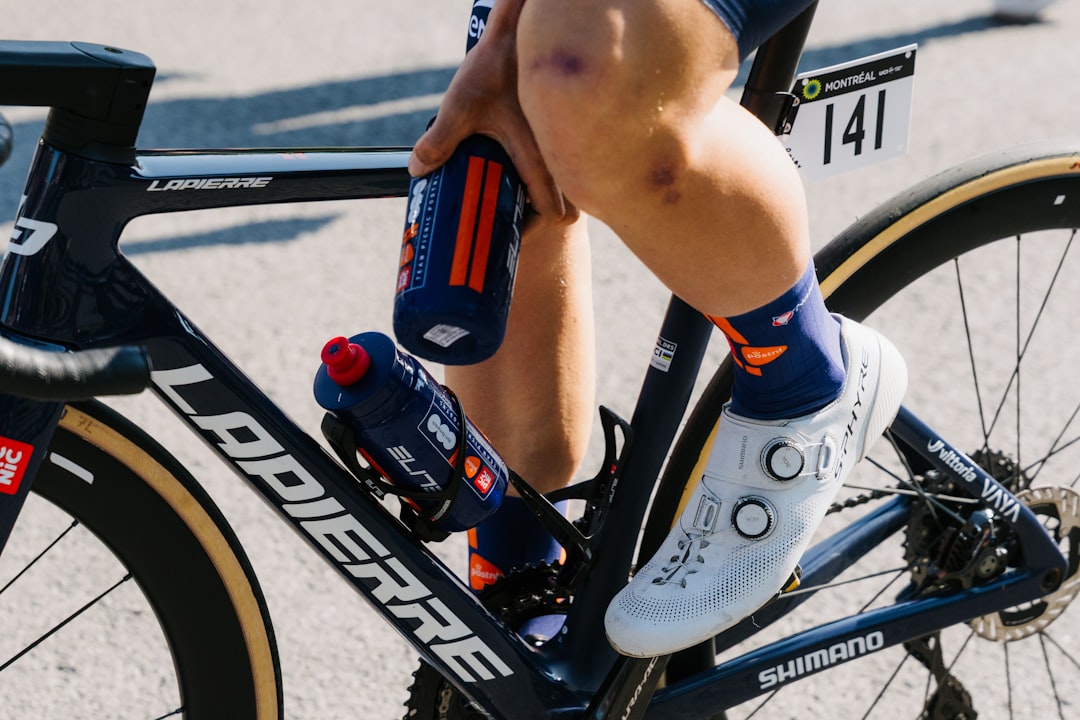
Photo by Mathias Reding on Unsplash.
Three good workouts can still make a poor choice when they land in the wrong week. A threshold session, a VO2-style session, and an endurance ride each serve a different job.
The problem is not that one workout is magic and the others are weak. The problem is fit: each session changes what you can do next.
A good AI coach treats this as a system choice, much like how adaptive training responds in real time. It weighs the workout against the week, not against a generic library.
Name the week’s main aim before choosing Tuesday.
Reject any option that weakens the next key session.
Pick one workout and one fallback, not three options.
Keep the choice tied to the plan, not mood alone.
This turns a messy Tuesday into one clear next decision.
In N+One terms: the training system around you drifts when day-to-day choices are not resolved.
The coach first asks what Tuesday is meant to protect. If the week’s main target is intensity, the chosen workout should support that target without crowding later quality.
Next, it checks recent work and simple readiness signs. This is not a medical screen; it is an operational way to avoid guessing from memory.
Finally, it looks downstream. If Thursday already holds the key session, Tuesday should leave enough room for that work to stay useful.
Set the week’s main target: intensity, endurance, or recovery.
Check recent work before adding more stress.
Use simple readiness notes, not perfect data.
Protect later key sessions from Tuesday spillover.
An AI coach treats the training week as a system: clarify the week's priority (intensity, endurance, or recovery) before choosing one ses…
Data analysis is free, forever. The Dynamic Coach is Pro. Connected to Garmin, Strava, Whoop, and intervals.icu.
An AI coach does not need a flood of data to make a better call. It needs a few inputs that show what you did, how you feel, and what comes next.
Useful inputs include recent ride time, harder work, sleep notes, soreness, and your last session RPE. These signals help sort the three workouts by fit, not by ego.
This is where models that spot training plateaus and ride-by-ride coaching feedback loops become practical. The value is not more data; it is cleaner judgment from repeat patterns.
Review recent ride volume and harder efforts.
Note sleep over the last few nights.
Record RPE trends in plain language.
Check time, travel, and event timing.
Flag illness or pain as override inputs.
Small inputs are enough when they point to one clear action.
In N+One terms: treat the week as a constrained system because one session choice cascades.
If the three workouts are equally plausible, choose the one that best preserves the week’s highest-priority target. Then match the dose to your readiness.
When readiness looks lower than planned, keep the workout’s main purpose but trim the total work. That keeps the signal clear while lowering the cost of the day.
When you still cannot choose, default to the least disruptive option. For many riders, that means endurance pace, steady effort, and no late add-ons.
If recovered, protect the week’s main target.
If unsure, reduce volume before changing purpose.
If a later key session matters, choose lower fatigue.
If stress is high, choose endurance or rest.
The goal is not the hardest Tuesday, but the best week.
In N+One terms: keep intensity, cut volume by 20% for seven days, then reassess.
One tactical email with training ideas and product updates. No spam — unsubscribe anytime.
Keep reading
- AI Cycling Coaching Benefits for Everyday Riders — Discover how AI cycling coaching delivers personalized, adaptive plans that fit your life and physiology. Learn practical, science-based benefits, re...
- Why N+One Is the Best Free AI Cycling Coach Alternative — Discover how N+One delivers a free AI cycling coach experience: personalized training plans, real-time adaptation (CTL + ATL = TSB), and practical se...
- Inside the AI Cycling Coach: How Machine Learning Personalizes Your Training — Discover how an AI cycling coach uses machine learning, predictive analytics, and real-time adaptation to deliver personalized coaching and training...
Human context can beat the model when the model does not know the full story. A new pain, illness, or hard life stressor should change the choice.
A schedule change can also decide the day for you. If only one low-stress ride fits, accept that and keep the plan coherent.
This is the same logic behind knowing when to push back on rest. Compliance is useful only when the input data still matches real life.
Override for new illness or injury symptoms.
Override when only one safe option fits the day.
Override if the coach missed key life stress.
Keep the replacement session low cost.
Say Tuesday offers threshold intervals, shorter hard repeats, or a steady endurance ride. The week’s main target is threshold, but Thursday also carries a key workout.
Recent notes show moderate load, poor sleep, and no urgent event. The AI coach keeps the threshold theme, shortens the work, and protects Thursday.
That choice is close to how an AI coach adds more than a workout list. The point is not variety; the point is picking the right dose for this week.
Options: threshold, hard repeats, or endurance.
Inputs: recent load, sleep, and Thursday’s key session.
Choice: keep threshold, shorten the total work.
Reason: preserve the week’s main target.
The clear move beats a perfect-looking menu.
In N+One terms: your threshold did not disappear; your recovery inputs shifted, so the output dropped.
The Tuesday decision is not finished when the ride uploads. The next step is to compare what you planned, what you did, and how you felt after.
Use the same simple inputs the next morning and again before the next hard session. If recovery looks worse than expected, reduce the next hard session or move it later.
This is where the personal layer of AI coaching matters most. Over time, the coach should learn which choices leave you sharp and which ones drain the week.
Log session RPE soon after the ride.
Check sleep and soreness the next morning.
Compare planned work with actual work.
Adjust the next hard day if recovery lags.
Step 1, pre-Tuesday evening: collect three datapoints: recent training minutes, average sleep over the last few nights, and whether a key session is scheduled later this week.
Step 2, decision rule: preserve the week’s highest-priority target. If readiness is low, choose the lowest-fatigue option. If readiness is high and the week lacks intensity, pick the priority intensity session but reduce duration by 20%.
Step 3, execute Tuesday: perform the chosen session with the planned intensity. If you reduced duration, keep the target intensity zones the same.
Step 4, reassess over the next few days: record next-morning RPE and sleep, compare actual work with planned work, then adjust the next high-intensity session if recovery is worse than expected.
Step 5, override when needed: override immediately for new illness, injury, or unavoidable schedule constraints. Switch to rest or the only feasible low-stress option.
When three Tuesday workouts look equally plausible, do not hunt for the perfect session. Set the week’s priority, check recent load and recovery signals, then choose the option that protects the next important work. If uncertainty remains, keep the purpose clear and reduce the dose.
Treat the choice as a bet on the whole week, not a judgment on your fitness. If your data is missing key context, override with care; otherwise, execute the easier session well and reassess before the next hard day.
Usually, no. Combining sessions blurs the stimulus and raises the cost of the day. Pick the workout that best serves the week’s priority, then save the other option for a better slot.
Use simple notes instead: last ride effort, perceived fatigue, soreness, and time available. The decision still improves when you use the same small set of signals each week.
No. It is an operational training decision process. For illness, injury, or health concerns, use qualified medical guidance and choose rest or a low-stress option when needed.