The Personalisation Layer in an AI Cycling Coach: How It Learns Your Quirks
5 min read

Learn how the personalisation layer in an AI cycling coach adapts generic training logic to your rides, recovery signals, preferences, and device quirks.
On this page

The personalisation layer turns generic training logic into one clear next decision tuned to you. Start by feeding it recent rides and recovery context.
A fixed plan can be useful, but it does not know your habits, sensor bias, or week-to-week context. A personalisation layer narrows that gap by learning from your own data while keeping changes small and reviewable.
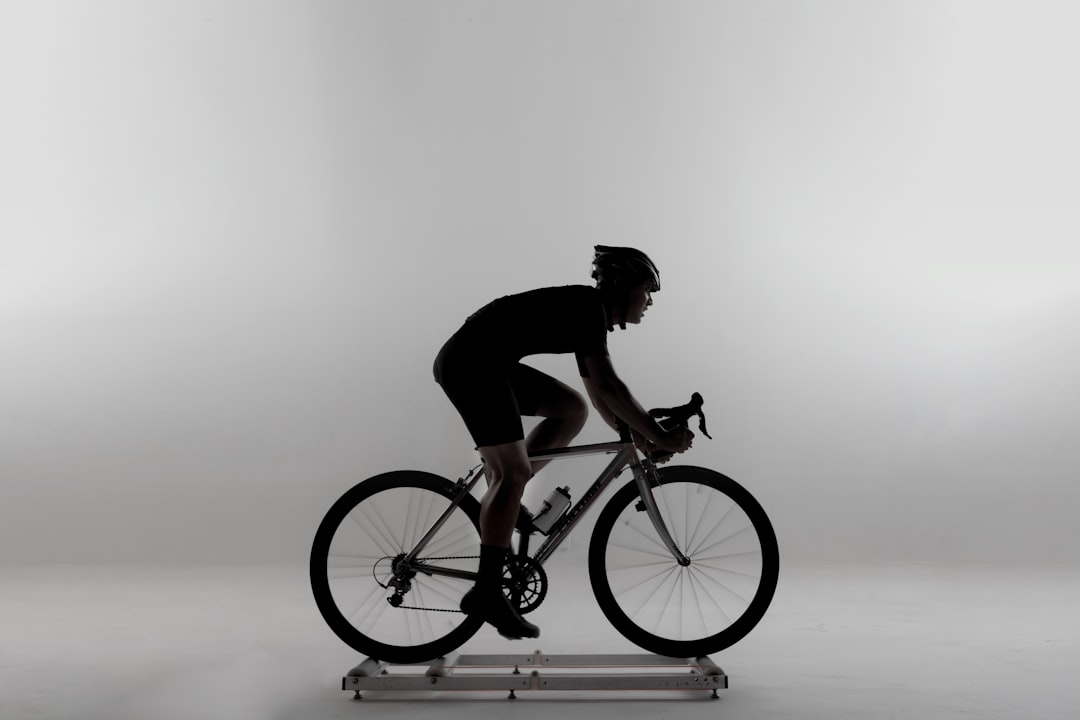
Photo by Aditya Wardhana on Unsplash.
Generic plans assume the same workout means the same thing for every rider. Your data says otherwise, because work, sleep, terrain, device setup, and riding style all shape what the next session should be.
The personalisation layer is the part of the coach that shifts from broad rules to your own pattern. If you want the wider system view, start with how adaptive coaching reads context.
This does not mean the model knows everything about you. It means the coach should treat your recent history as a live input, not as a footnote to a fixed plan.
Compare the plan against recent ride outcomes.
Check whether sleep and recovery inputs are current.
Keep the next hard session only if recent data supports it.
Avoid changing intensity and volume at the same time.
Feed the model recent context so the next decision fits your week.
In N+One terms: your threshold did not disappear; the training system around it changed, so the next decision should change too.
At a systems level, the layer takes in ride files, heart rate traces, sleep logs, perceived effort, and stated preferences. It then turns those inputs into user parameters that guide volume, intensity, timing, and workout choice.
The useful signal often sits in change, not in a single raw number. Rolling trends, session flags, and mismatch between planned and finished work help the model update without overreacting.
That is why feedback from each ride matters more than one standout day. The coach predicts, observes the result, and then makes a small update to your next plan.
Evidence note: PubMed does not show an indexed paper for the exact phrase “personalisation layer” in this cycling coach context. So this article describes system design, not a proven clinical mechanism.
Upload recent ride files before judging the plan.
Add subjective effort when the numbers miss the feel.
Keep preferences clear, such as indoor days or no early intensity.
Let small updates build before forcing a reset.
In N+One terms: the model watches your recent pattern more closely than your season totals.
The personalisation layer maps incoming data (rides, sleep, RPE, device metrics) to user-specific parameters.
Data analysis is free, forever. The Dynamic Coach is Pro. Connected to Garmin, Strava, Whoop, and intervals.icu.
Training data is not clean by default. A head unit can drop signal, a heart rate strap can spike, and an indoor setup can read differently from an outdoor ride.
A sound coach should not treat every file as equal. It should weigh data by quality, flag strange jumps, and avoid big plan changes when the source looks weak.
This is where pattern spotting in coaching data earns its place. The goal is not to chase every odd value, but to keep the recommendation stable when the inputs get noisy.
Mark rides with known sensor faults as unreliable.
Calibrate devices before key benchmark sessions.
Check whether indoor and outdoor files read differently.
Trust trends more than one strange data point.
Clean inputs help the coach turn noise into one clear next decision.
One tactical email with training ideas and product updates. No spam — unsubscribe anytime.
Keep reading
- How an AI Cycling Coach Detects Overtraining Before You Feel It — Learn how an AI cycling coach spots early overtraining risk through HRV, resting heart rate, power trends, sleep, and baseline modeling, plus a 7-day...
- Why N+One Is the Best Free AI Cycling Coach Alternative — Discover how N+One delivers a free AI cycling coach experience: personalized training plans, real-time adaptation (CTL + ATL = TSB), and practical se...
- N+One vs Free Cycling Apps: What an AI Coach Adds Beyond a Workout Library — Compare N+One with free cycling apps and learn what an AI coach adds beyond a static workout library: personalization, adaptation, and one clear next...
Personalisation should not mean giving up control. You should know which streams the coach can use, what changed in the plan, and why that change was made.
The best setup is opt-in and plain to inspect. If a model-driven change does not match your experience, you need a way to review it before it shapes the week.
This is one reason the choice between tools matters. A rider comparing AI coaching with human coaching should ask how each system explains changes, handles doubt, and lets you push back.
Choose which data streams the coach can use.
Review plan changes before they apply.
Keep a note when life stress changes training response.
Reset or nudge the model when advice drifts.
A personalisation layer can misread you when the data trail breaks. Travel, illness, skipped uploads, mislabeled trainer rides, or a changed device can all make the next recommendation feel off.
Do not rewrite the whole plan first. Fix the input trail, then ask whether the recommendation still looks wrong after the model sees the missing context.
If the coach becomes too cautious or too bold, inspect the last block of data. For a deeper view of system design, see inside an AI cycling coach.
If you want day-to-day guidance without second-guessing, let N+One translate your latest training and recovery context into one clear next decision.
Check for missed uploads or mislabeled sessions.
Flag travel, illness, or poor sleep as context.
Mark faulty files instead of deleting the whole history.
Use a calibration ride if device bias appears.
Reassess after the model sees corrected inputs.
In N+One terms: the training system drifted; correct the inputs, not the workouts.
Week 0 — Prep: Gather recent ride files, sleep data, and recent subjective recovery ratings. Confirm device firmware and power meter calibration before upload.
Week 1 — Feed and baseline: Upload your files and enable personalization. Keep planned intensity, but trim total volume for the week so the model reads clearer signals.
Week 2 — Monitor: Follow the coached sessions. If advice shifts in a way that feels off, open the audit log and mark mislabeled or unreliable sessions.
Week 3 — Validate: Complete two standard benchmark sessions you already know well. Compare predicted and felt responses, then request a reset or calibration ride if the mismatch stays clear.
The personalisation layer turns generic training logic into one clear next decision by learning from your recent rides, recovery signals, preferences, and data quality. Your next move is simple: clean up the latest files, add the missing context, and let the coach adjust the plan before you change the work yourself.
No. In this article, it is described as a training system component that adapts workout recommendations. It should not be treated as a medical device or used to diagnose health issues.
The coach can still learn from ride files and perceived effort, but the signal is narrower. Add simple recovery notes when you can, especially after hard weeks, travel, or poor sleep.
No. It should reduce guesswork, not remove your role. Review the reason behind plan changes and flag sessions when the data does not match what happened.
Expect gradual change, not instant certainty. The safest pattern is repeated prediction, observed outcome, and small updates as more clean data arrives.
Ready to optimize your training? Explore N+One.