When the AI Coach Suggests a Rest Day: How to Interpret It and When to Push Back
5 min read

Learn how to interpret an AI coach rest-day suggestion, when to accept it, when to modify it, and when to push back without derailing recovery.
On this page
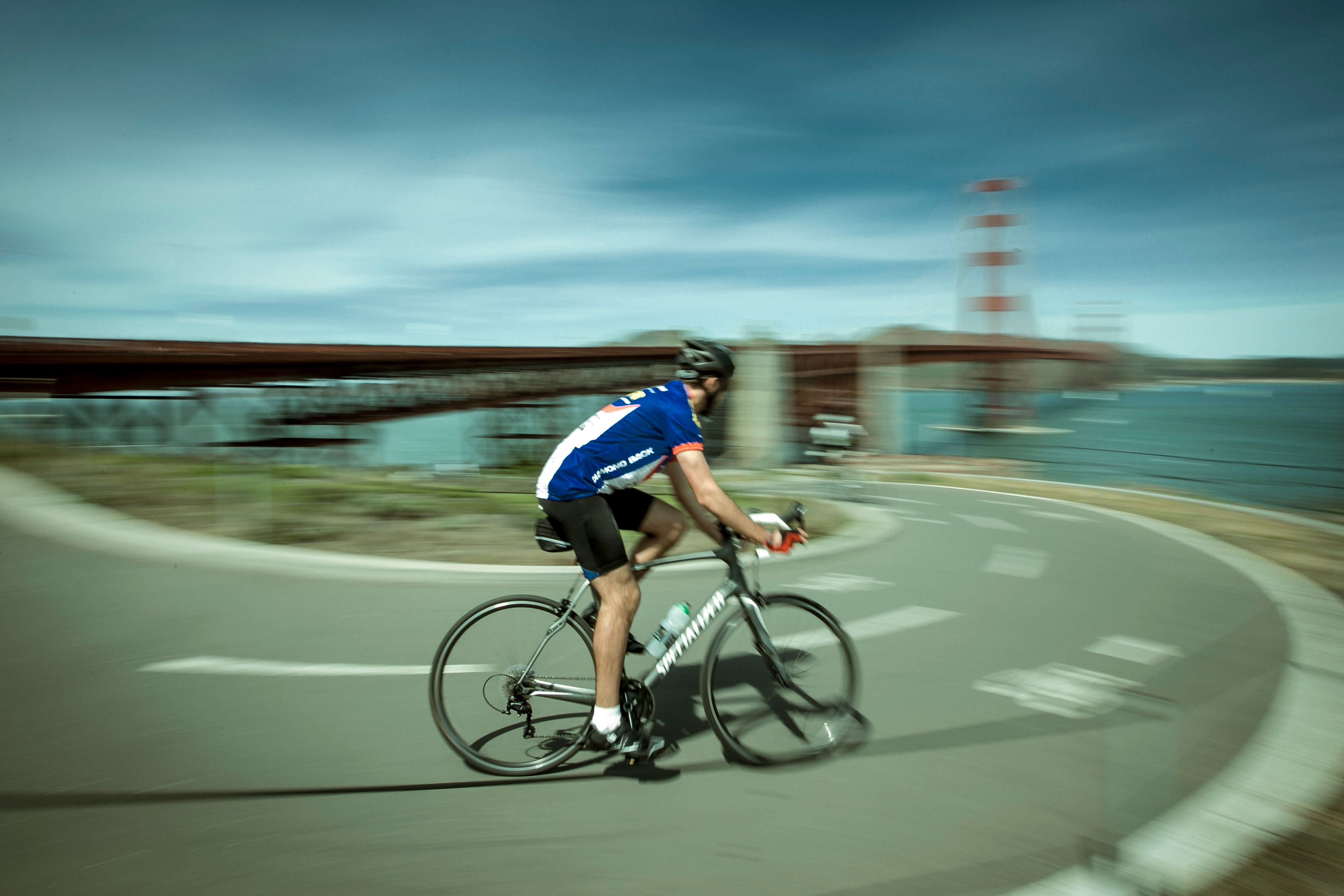
Photo by Mads Eneqvist on Unsplash.
Treat an AI rest-day suggestion as a decision-support signal, not a verdict. Accept it when recovery flags cluster; push back when the trend still supports training.
An AI coach turns recent training, recovery data, and your own notes into one next step. A rest day means the current inputs lean toward recovery today, but you still need to check whether the model sees the full context.
An AI coach can weigh your recent rides, sleep notes, soreness, and resting signals faster than you can by memory. The rest-day call is the system saying today may need less load, not less grit.
That matters because fatigue often shows up as a pattern, not one loud warning sign. If you want the deeper model view, start with how AI spots overreaching patterns before you treat one alert as the whole story.
Ask what drove the call before you accept or reject it. A good prompt can turn a blunt rest message into a clear reason, as shown in better prompts for cycling answers.
Treat the rest suggestion as information, not an order.
Check recent load, sleep quality, and current symptoms.
Ask for the main driver: volume, intensity, HRV, or soreness.
This keeps the decision tied to recovery signals, not mood.
In N+One terms: the coach flagged a temporary mismatch between your recent stress and available recovery.

Use a short checklist so you do not argue with the recommendation for half the morning. First, look at yesterday’s ride and the recent load trend, then check sleep and soreness.
Next, add context the model may not fully know, such as travel, work stress, or a key session. If most signals lean low, take the rest and protect the next useful workout.
If only one mild signal is off, modify the ride instead of forcing the full plan. This is where real-time training plan changes can help you move from yes-or-no thinking to a better dose.
Review yesterday’s intensity and recent training load.
Rate sleep and soreness with the same simple scale each time.
Note races, travel, or key sessions coming soon.
Accept rest if two or more signals point low.
The goal is one clear next decision, not a debate.
In N+One terms: if the system’s inputs cluster toward low readiness, rest aligns the training system back toward adaptation.
An AI rest-day recommendation is a guide based on recent load and recovery inputs, not an absolute rule.

Photo by paolo candelo on Unsplash.
Data analysis is free, forever. The Dynamic Coach is Pro. Connected to Garmin, Strava, Whoop, and intervals.icu.
Push back only when the case is narrow and the training cost is controlled. You are not proving toughness; you are choosing a smaller stress that still fits the week.
One case is when the rest alert seems tied to high volume, but today was already a short, focused session. Another is when you feel fresh, soreness is mild, and recent markers look like your normal range.
A third case is a race taper, where a short open-up ride may serve the plan better than full rest. The key is not compliance for its own sake; when to override the coach depends on whether adaptation is still protected.
Keep the override short and planned before you start.
Trade long volume for a brief controlled session.
Stop the ride if symptoms worsen while warming up.
Do not stack overrides on back-to-back days.
In N+One terms: push back only when the training decision preserves freshness without adding undue systemic stress.
If you do not fully rest, remove the high-load part first. Keep the session easy enough that you could stop without feeling you lost the day.
Active recovery works best as a cap, not a loophole. Ride smoothly, avoid chasing power, and skip hard group dynamics that turn a recovery ride into a test.
You can also replace the ride with mobility, sleep time, and simple meal planning. Those choices are still training inputs because they shape how ready you are tomorrow.
One tactical email with training ideas and product updates. No spam — unsubscribe anytime.
Keep reading
- Adaptive Plan Recovery: What Happens When You Miss Three Days in a Row — Missed three training days? Learn why it is usually a short-term load shift, how to check readiness, and how to restart your cycling plan without ove...
- AI Cycling Coach: How Adaptive Coaching Unlocks Consistent Gains — Discover how an AI cycling coach delivers adaptive, science-based training—real-time adjustments, CTL/ATL-driven periodization, and practical steps t...
- Best AI Cycling Coach: From Raw Data to Race Wins — Turn years of Strava, Garmin, and Wahoo logs into race-ready progress. How the Dynamic Coach on connected wearables standardizes messy data, models TSB/CTL/ATL, and...
One rest decision does not teach much unless you track what happened next. Record how you felt the next morning and how the next hard session went.
Use the same notes each time: readiness, soreness, sleep quality, and session feel. If you track resting heart rate, compare trends rather than one isolated number; resting heart rate trend changes are more useful than a single reading.
You can also compare weeks, but keep the test simple. Accept the rest call once, modify it another time, and look for which choice leaves you fresher for key work.
Keep the ride short and easy.
Avoid surges, sprints, and hard climbs.
Choose solo riding over a fast group ride.
Add sleep time before adding extra work.
In N+One terms: trade volume for targeted stimulus while protecting systemic recovery.
Log next-morning readiness with the same scale.
Note RPE on the next hard session.
Track sleep and resting signals for several days.
Change one decision at a time.
In N+One terms: test one decision at a time so the training system can learn which inputs predict better outcomes.
Repeatedly ignoring rest calls can hide the signal you asked the coach to find. The issue is not one extra ride; it is the drift toward never letting recovery lead.
Use guardrails when you override. If sleep worsens, soreness rises, or normal power feels much harder, return to full rest and reset the week.
If illness symptoms, chest pain, faintness, or unusual symptoms appear, stop training and seek qualified care. An AI coach can guide training choices, but it cannot clear medical red flags.
Limit overrides and avoid making them routine.
Reassess within the next few days.
Return to rest if readiness keeps falling.
Ask a coach or clinician when symptoms persist.
In N+One terms: guardrails keep short-term decisions from derailing long-term adaptation.
Day 0 — Check: Before accepting, do the 60-second checklist. Review recent load, sleep quality, and current symptoms, then decide accept, modify, or override.
Days 1–3 — Conservative path: If you accepted rest, keep the next sessions easy or off. If you modified, keep the ride short, smooth, and below hard effort.
Days 4–7 — Reassess and return: Check readiness with both data and feel. If recovered, return to the planned week; if not, extend recovery and ask for help.
Rule of thumb: Follow the rest day if two or more objective or reported flags exist. Otherwise, do easy active recovery and reassess before the next hard session.
Treat an AI rest-day suggestion as a decision-support signal. Accept it when recovery flags cluster, modify it when only one minor signal is off, and override only when the planned training still protects freshness.
No. Treat the suggestion as a strong prompt to check the inputs. If two or more readiness signals are low, rest is the cleanest choice. If the alert is an outlier and you feel fresh, modify rather than force the full session.
First ask why the coach suggested rest. If the issue is broad fatigue, move the workout. If the issue is mild and the workout is important, shorten it and keep the hardest work controlled.
Not always. Active recovery can help keep rhythm when you feel mostly well, but full rest is the better call when illness symptoms, heavy soreness, poor sleep, or unusual warning signs are present.
Ask a coach when the same rest conflict keeps repeating. Seek qualified medical care for illness symptoms, chest pain, faintness, or any unusual symptom that makes training feel unsafe.