Failure Modes of an AI Cycling Coach: What Happens When the Data Lies
5 min read

AI coaches fail when sensors, labels, sync, or context go wrong. Learn when to pause advice, verify data, and resume with conservative targets.
On this page
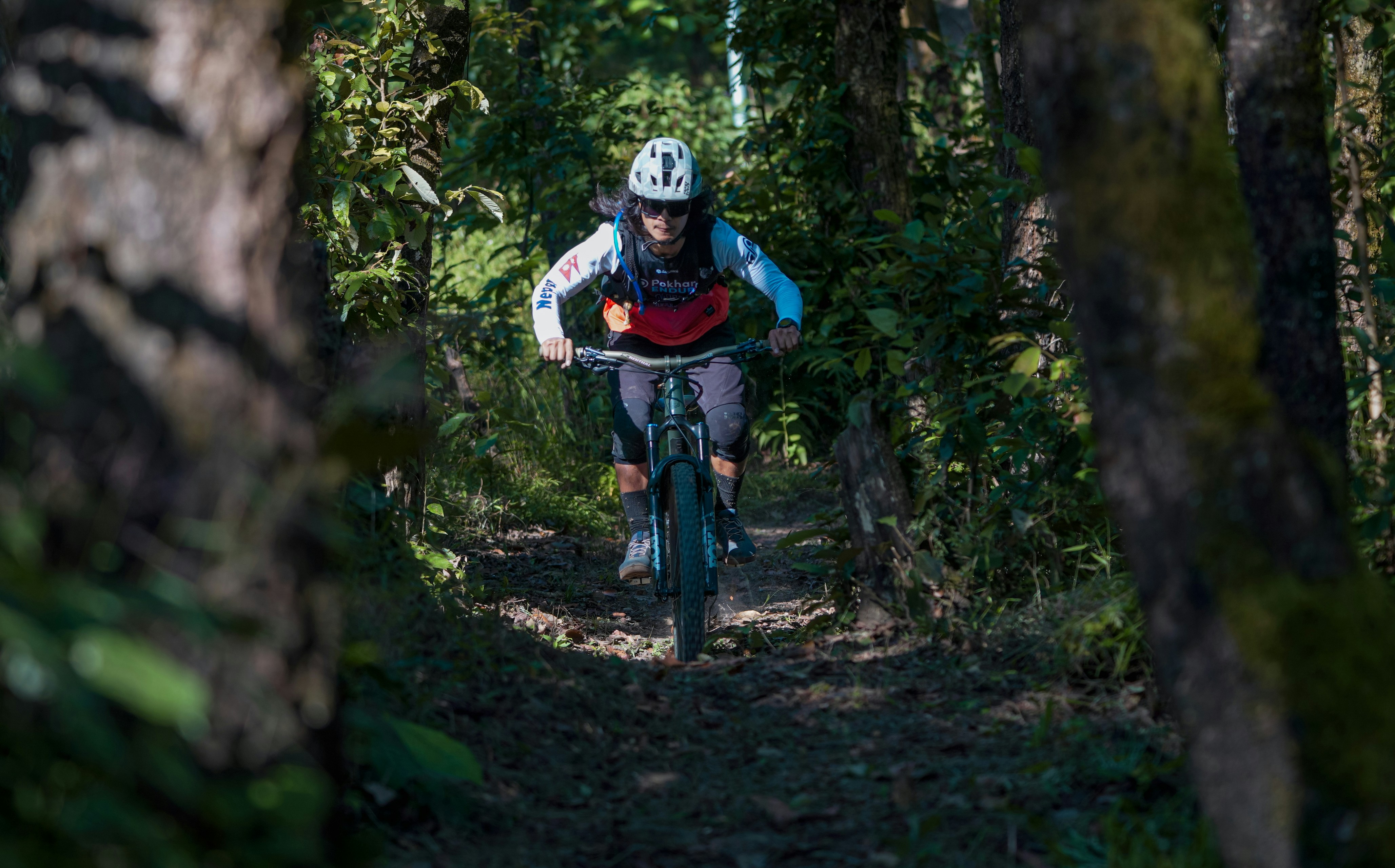
Photo by Sunil Chandra Sharma on Unsplash.
AI coaches fail mostly when input data is wrong or shifting context is missed. Pause automated advice, verify sensors and labels, then resume with care.
A cycling coach built on data can only reason from what it sees. If power, heart rate, GPS, cadence, ride tags, or recent context are wrong, the advice can look precise while pointing the wrong way.
Bad data does not break every part of an AI coach in the same way. A noisy power file may skew intensity, while a missed ride tag may change how the session is read.
The main failure modes are sensor errors, label mistakes, model drift, and feedback loops. Each one bends the next prescription through a different path.
This is why a strong data-to-results coaching system needs both pattern reading and basic doubt. The coach should ask whether the input makes sense before it changes your week.
Watch for sudden load jumps after normal rides.
Compare power, heart rate, cadence, and feel.
Check batteries, mounts, pairing, and firmware first.
Tag suspect rides before they shape the next plan.
The first move is not harder training; it is cleaner input.
In N+One terms: the training system did not fail; one input channel started lying.
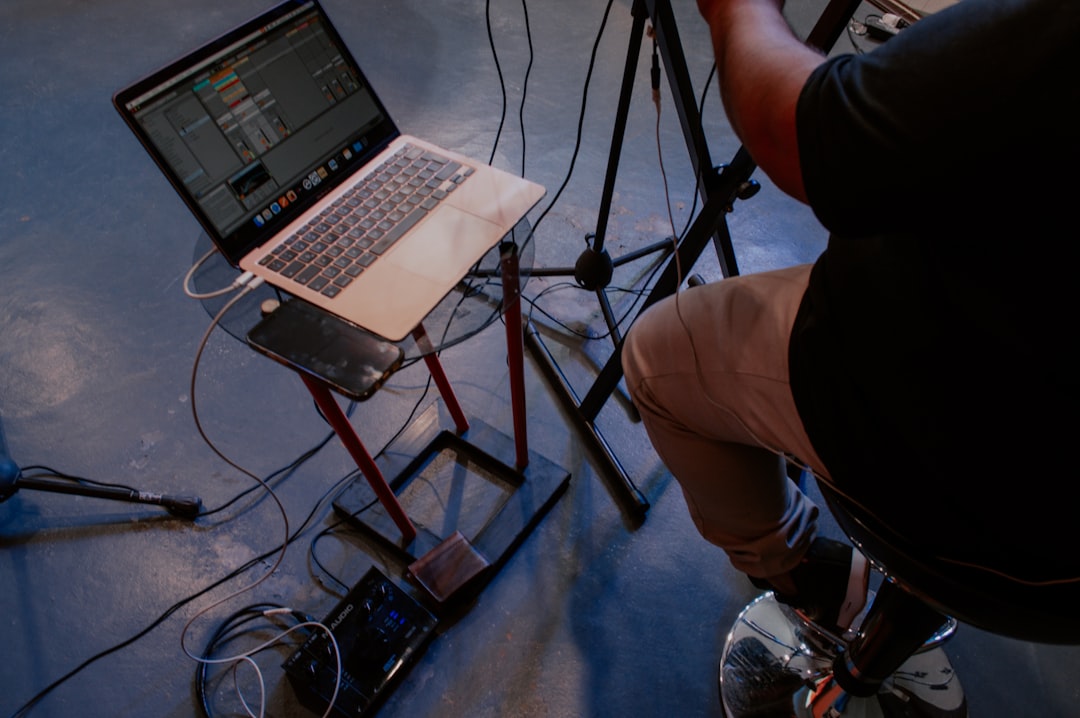
Photo by Dámaris Azócar on Unsplash.
Sensors are useful because they turn a ride into a set of signals. They are also weak points because each signal can fail in its own way.
A power meter can drift, a heart-rate strap can slip, and GPS can lose clean tracking. Cadence can drop out, and device sync can leave gaps that look like rest.
The best defense is not distrust; it is cross-checking. A coach that adapts from power, heart rate, and cadence should treat conflict as a warning, not as fresh truth.
If you use real-time training adaptation, clean measurement matters even more. Fast changes need guardrails when the data looks odd.
Check sensor fit before key rides.
Run a power zero-offset when your device supports it.
Keep backup data from a trainer or cadence sensor.
Mark rides with spikes, dropouts, or pairing faults.
Most failures come from bad inputs: sensor noise, dropped GPS, or miscalibrated power/heart-rate devices.
Data analysis is free, forever. The Dynamic Coach is Pro. Connected to Garmin, Strava, Whoop, and intervals.icu.
A clean file can still mislead the coach if the label is wrong. Endurance, intervals, commute, race, and recovery rides should not be read as the same work.
Context also matters. Travel, poor sleep, illness notes, route changes, heat, equipment swaps, and unusual stress can change what a ride means.
The system does not need your life story. It needs the few facts that explain why today looked different from a normal day.
This is where how AI coaching learns your quirks can help, but only when the notes match the ride. If the map is wrong, the route will be wrong too.
Fix ride tags before the next plan update.
Add short notes for illness, travel, or equipment changes.
Treat unclear recent data as low confidence.
Avoid sharp intensity increases after messy logs.
Better labels let the coach pause wisely instead of guessing fast.
In N+One terms: labels are the coach’s map, so bad labels send good logic down the wrong road.
One tactical email with training ideas and product updates. No spam — unsubscribe anytime.
Keep reading
- AI Cycling Coaching Benefits for Everyday Riders — Discover how AI cycling coaching delivers personalized, adaptive plans that fit your life and physiology. Learn practical, science-based benefits, re...
- AI Cycling Coach vs Rule-Based Workout Generator — what’s different and how to use each — AI cycling coach or rule-based workout generator? Learn the practical difference, when to use each, and a simple test for your training week.
- Why N+One Is the Best Free AI Cycling Coach Alternative — Discover how N+One delivers a free AI cycling coach experience: personalized training plans, real-time adaptation (CTL + ATL = TSB), and practical se...
Model drift means the training pattern has changed while the coach still leans on an older view. That shift can come from new devices, new habits, or a different goal.
Feedback loops are more subtle. If bad data lowers targets, easier work may then confirm the model’s false story that you are less ready.
The fix is damping, not panic. Smart systems should resist big changes when confidence is low, especially after one strange ride.
For a deeper look at how these loops can help or mislead, see how ride feedback shapes tomorrow. The same loop that learns fast can also amplify noise.
Limit sudden plan swings when data confidence drops.
Freeze automatic updates during a sensor fault.
Downweight recent rides that look corrupt.
Review odd shifts before changing training goals.
In N+One terms: the system needs dampers so one bad input does not steer the whole block.
You do not need to audit every file like an engineer. You need to step in when the human signal and device signal disagree.
Watch for repeated missed targets that feel out of line, strange power and heart-rate pairings, or an unexplained drop in suggested work. Those are signs to pause automatic changes.
A human coach can also add judgment when context is messy. That is why AI and human coaching choices should be framed around risk, cost, and the need for oversight.
Your clear next move is simple. Pause automated guidance, check sensors and labels, then resume with conservative targets once the data looks stable.
Pause auto-adjustments after repeated odd readings.
Compare effort feel with power and heart rate.
Remove a device stream that keeps failing checks.
Resume normal guidance only after signals align.
This keeps the promise of AI coaching while protecting the next decision.
Baseline checks: confirm firmware, battery status, secure mounting, and sensor pairing before your next ride. Do one short, steady test ride and note perceived effort.
Cross-validation: ride once outside and once on a trainer if you can. Compare power, cadence, heart rate, speed, and feel across both files.
Tagging: mark any ride with dropouts, spikes, strap slip, device swaps, or sync gaps. Keep those files from driving major plan changes.
Protective tuning: if errors persist, tell the coach to treat recent data as low confidence. Keep targets conservative until the signals match again.
Reassess: when perceived effort and device trends look aligned, restore normal guidance step by step. If the mismatch stays, repair or replace the suspect device.
AI coaches fail mostly when input data is wrong or shifting context is missed. Pause automated prescriptions, verify sensors and recent ride labels, then return recommendations only after the data looks stable.
No. One strange file is a signal to check inputs, not a reason to abandon the system. Tag the ride, check the device, and avoid major plan changes from that file alone.
The safest broad answer is bad input. Sensor noise, missing context, wrong ride tags, and sync gaps can all make a sound model choose the wrong session.
It can flag conflicts when the system is built to compare streams and track confidence. It still needs your notes when the missing cause is human context, like travel or illness.
Use a human coach when the mismatch keeps coming back, when devices seem fixed but advice still feels wrong, or when you need judgment beyond the data available.