Threshold Progression Tests Without Formal Testing: Field Signals the Coach Trusts
5 min read

Learn how coaches track threshold progression without formal testing using repeatable field signals, RPE, heart rate, power trends, and recovery context.
On this page
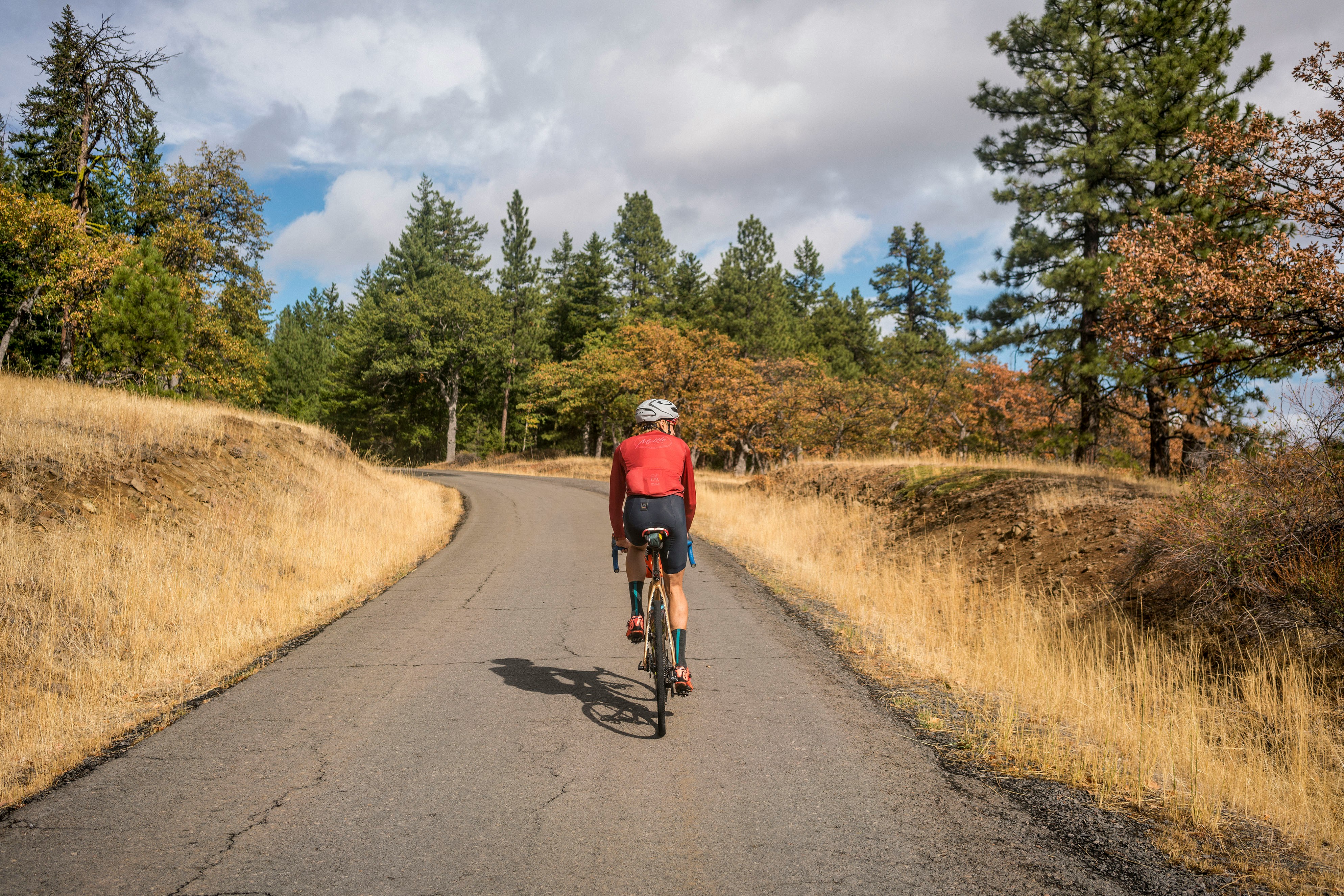
Photo by Ben Guernsey on Unsplash.
Coaches can track meaningful threshold progression without formal tests by watching repeatable field signals across rides.
A formal threshold test can be useful, but it is not always the best next step. When racing, travel, short daylight, or fatigue make hard testing costly, you can still use repeatable field signals to guide training.
Formal FTP or threshold tests ask for a hard effort, and that cost can bend the week around one number. A field signal asks a simpler question: does the same kind of work now look easier, steadier, or more repeatable?
The answer is not perfect, but it is useful when the check is the same each time. If you want deeper field-test structure, start with lab-free threshold field checks before you change targets.
The key is to track direction, not chase precision. Your threshold did not disappear; the training system around it may have drifted, so the output changed.
In N+One terms: field signals help you decide whether the next ride should build, hold, or back off.
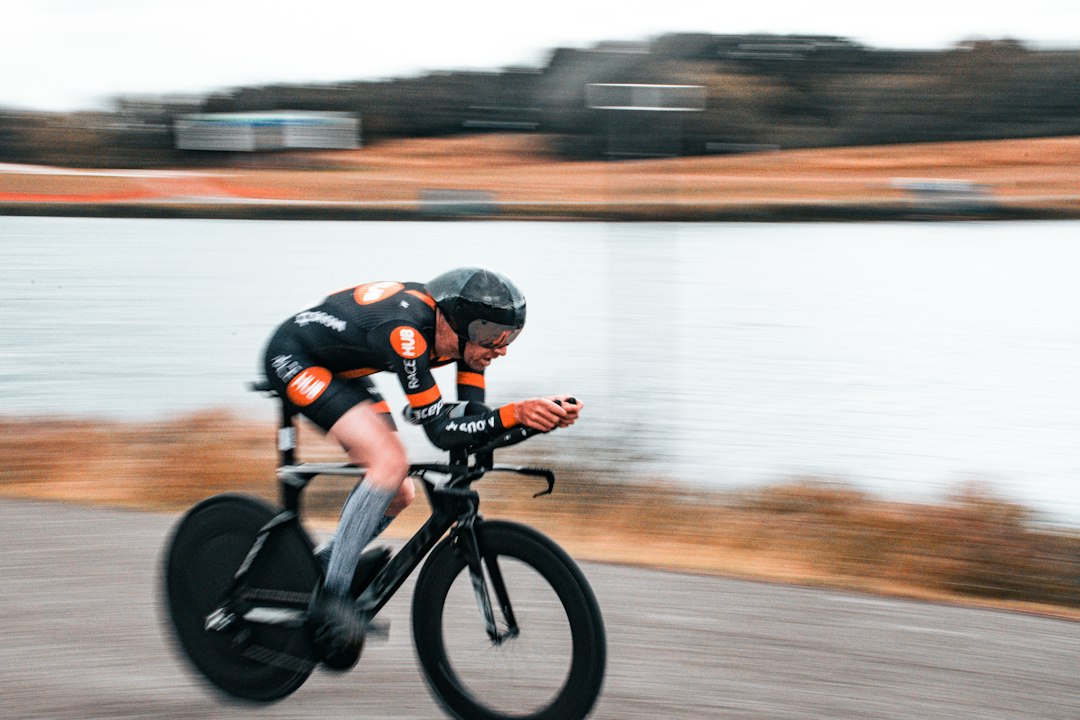
Photo by Ollie Danvers on Unsplash.
A coach trusts signals that show up more than once and fit the ride context. One great day can be weather, sleep, or a tailwind; two or three matched checks carry more weight.
Start with sustained effort feel, steady power, heart-rate response, short hard efforts, and recovery notes. These pair well with how heart-rate drift reflects aerobic base, especially when you ride without full lab support.
If your power is steadier at the same effort, that is a useful sign. If the same watts feel harder and recovery lags, the next move should be conservative.
Track sustained effort feel over similar rides.
Compare steady power on the same route.
Watch heart rate against power, not alone.
Note short hard efforts without overvaluing them.
Log sleep, soreness, and easy-ride RPE.
Prioritize repeatable, low-context signals over single maximal efforts.
Use repeated field efforts (10–20 minute efforts or repeated intervals) to judge threshold changes rather than a single maximal test.
Data analysis is free, forever. The Dynamic Coach is Pro. Connected to Garmin, Strava, Whoop, and intervals.icu.
Good field checks are boring by design. Use the same climb, road, trainer file, or flat segment, then keep warm-up and fueling as close as you can.
Write down the parts your head will forget: wind, traffic, caffeine, sleep, group draft, and stress. A short note often explains a strange file better than another chart.
Power helps, but it is not the whole method. Riders without a power meter can still use heart-rate-only training guardrails if they keep context tight.
Use one steady segment for each check.
Keep the warm-up the same each time.
Log RPE right after the effort.
Note wind, heat, traffic, and drafting.
Use rolling checks instead of one file.
One tactical email with training ideas and product updates. No spam — unsubscribe anytime.
Keep reading
- Training for Masters Cyclists (40+): Age‑Adapted Strategies for Sustainable Performance — Practical, science-based training for cyclists 40+. Learn how to preserve VO2max, fight sarcopenia, prioritise recovery, and use adaptive plans to ke...
- 30/30 VO2max Intervals for Cyclists: Protocol, Evidence, and When to Use Them — Learn how to use 30/30 VO2max intervals for cycling: what they are, what evidence can and cannot say, one clear protocol, scaling rules, and when to...
- Sustaining VO2max Gains in the Off-Season: A Maintenance Approach for Cyclists — Keep VO2max gains through the off-season with a lower-load maintenance approach: preserve intensity, protect recovery, and know when to scale back.
The point is not to collect more data. The point is to turn the pattern into one next decision you can trust.
If several signals worsen together, reduce load and keep a small dose of intensity. If signals hold steady, keep the plan stable; if they improve across checks, nudge the target rather than rewriting the week.
This is where a coach separates noise from action. For more on target choice, compare critical power and FTP as training anchors before you move every interval upward.
If two signals worsen, cut volume for a short block.
Keep one intensity touch, but shorten it.
If signals are stable, hold the week steady.
If signals improve twice, make a small progression.
If you want day-to-day guidance without second-guessing, let N+One translate your latest training and recovery context into one clear next decision.
In N+One terms: the best decision is the smallest change that fits the strongest pattern.
Field signals are practical, but they are noisy. They estimate direction better than they prove an exact threshold value.
Use formal testing when precision matters more than flow. That may mean race peaking, a large training shift, a coaching reset, or a medical question that needs qualified care.
Do not force threshold work when the wider pattern points to strain. If high-intensity work has stopped moving, review VO2max plateau breakers for cyclists or rethink threshold and VO2max block order.
Treat field checks as trend tools.
Use formal tests when exact numbers matter.
Do not react to one strange ride.
Seek qualified help for medical concerns.
Day 0 — Baseline check: Perform a steady effort on your chosen segment after a consistent warm-up. Record average power if available, average heart rate, and immediate RPE. Note wind, temperature, sleep, fueling, and whether you rode solo or in a group.
Days 1–6 — Normal training: Train normally, but keep the same warm-up and pre-ride habits for the next check. Log morning readiness and any large disruption, such as illness, travel, poor sleep, or unusual stress.
Day 7 — Repeat check: Repeat the same steady effort protocol on the same course or trainer setup. Compare power, heart rate, and RPE against baseline, then look for direction across at least two signals.
Decision after Day 7: If two or more signals worsen, cut volume for about a week while keeping one shorter intensity touch. If signals are stable or improved, keep intensity and make only a small progression. Re-check with the same setup after another short block.
Coaches can track meaningful threshold progression without formal tests when the same field signals repeat across rides. Use the same effort, capture the same context, and make one small training decision from the pattern.
They can guide most week-to-week training choices, but they do not give the same control as a lab or strict protocol. Use them to spot direction, then test formally when exact numbers matter.
Treat that as mixed evidence. Hold your targets, keep context tight, and repeat the check before raising threshold-based work.
Use at least two matched checks when you can. A single ride may reflect weather, sleep, stress, or pacing more than fitness.
Yes, but the signal is less precise. Use the same route, heart-rate response, RPE, repeatability, and recovery notes to reduce noise.
AI for your training — connected to your wearables.