Heart‑Rate‑Only Riders in N+One: Setup, Limits, and Best Practices Without a Power Meter
5 min read

Learn how to use N+One with heart rate only: setup, sensor choices, limits, HR zones, RPE, logging, and a two-week tuning protocol without a power meter.
On this page
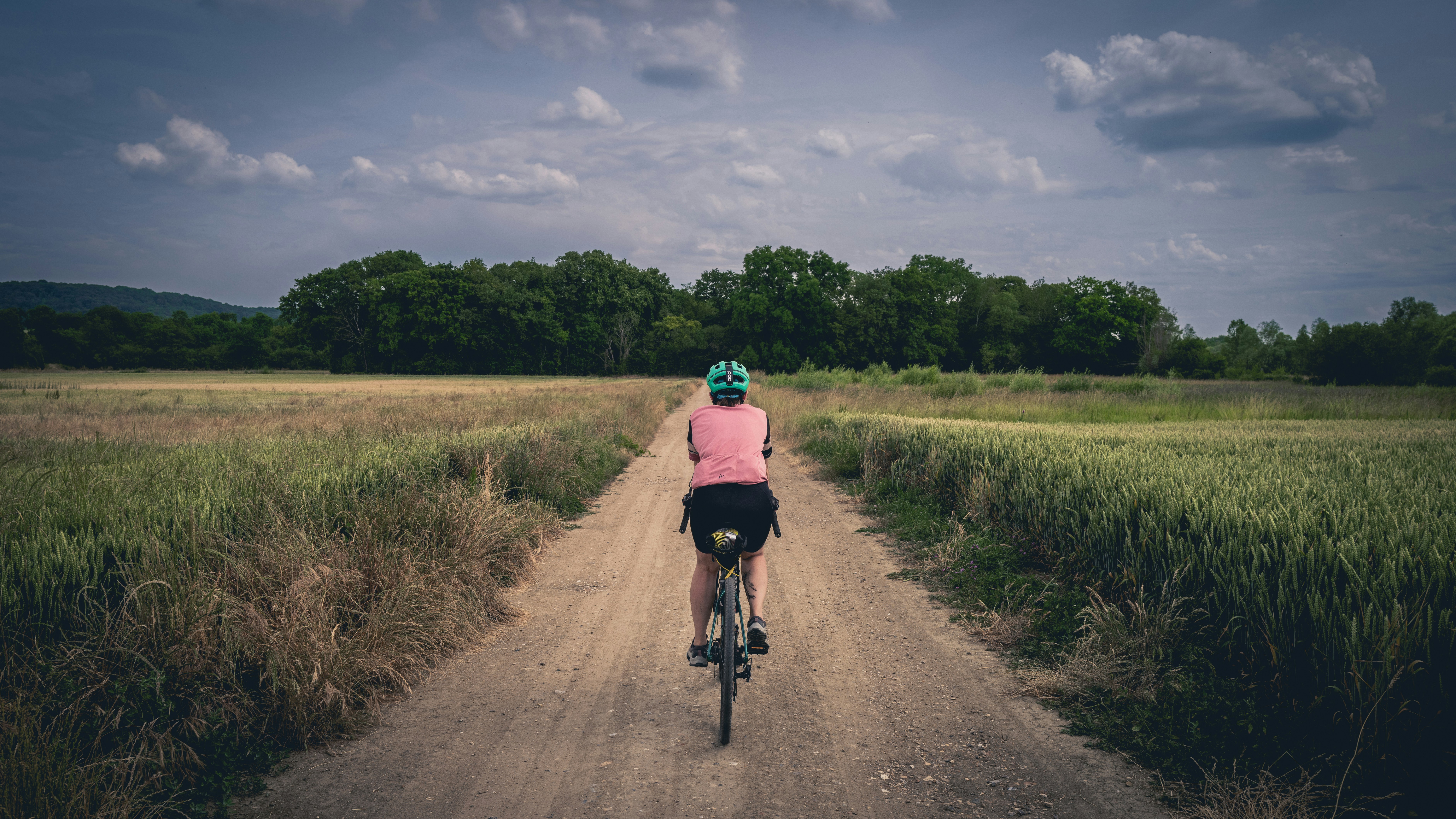
You can train with heart rate alone, but expect delayed signals and coarser control than power. Setup and context make the system useful.
Heart rate is an internal response, not a direct measure of work at the pedals. N+One can still use it when no power meter is present, but the signal needs clean setup, repeatable tests, and notes about heat, sleep, illness, and ride feel. Where direct evidence is not supplied here, treat the advice as coaching practice rather than a medical claim.
Start with the cleanest heart rate signal you can get, because every later choice depends on it. A chest strap is usually the first pick for bike sessions, while an optical sensor may be noisier in hard riding. If you also train indoors, keep device setup tidy with smart trainer ride syncing.
Build three anchors before you judge fitness: resting heart rate, a threshold field check, and post-effort recovery notes. Record resting heart rate after waking for several mornings, then use the same sensor and warmup for each key test.
For threshold, ride a hard, steady effort you can hold without fading badly. N+One can use that average heart rate as a working anchor, but it should be checked against RPE and ride context. If you want broader zone context, use clear cycling zone basics alongside this setup.
Use a chest strap when possible for key tests and hard rides.
Record waking resting HR for several mornings before setting zones.
Use the same warmup before each field threshold check.
Log ride feel, sleep, heat, illness, and caffeine near key sessions.
Clean inputs make heart-rate-only training useful instead of guesswork.
Get the cleanest HR signal you can, then create three anchors: resting HR, threshold HR, and recovery notes.
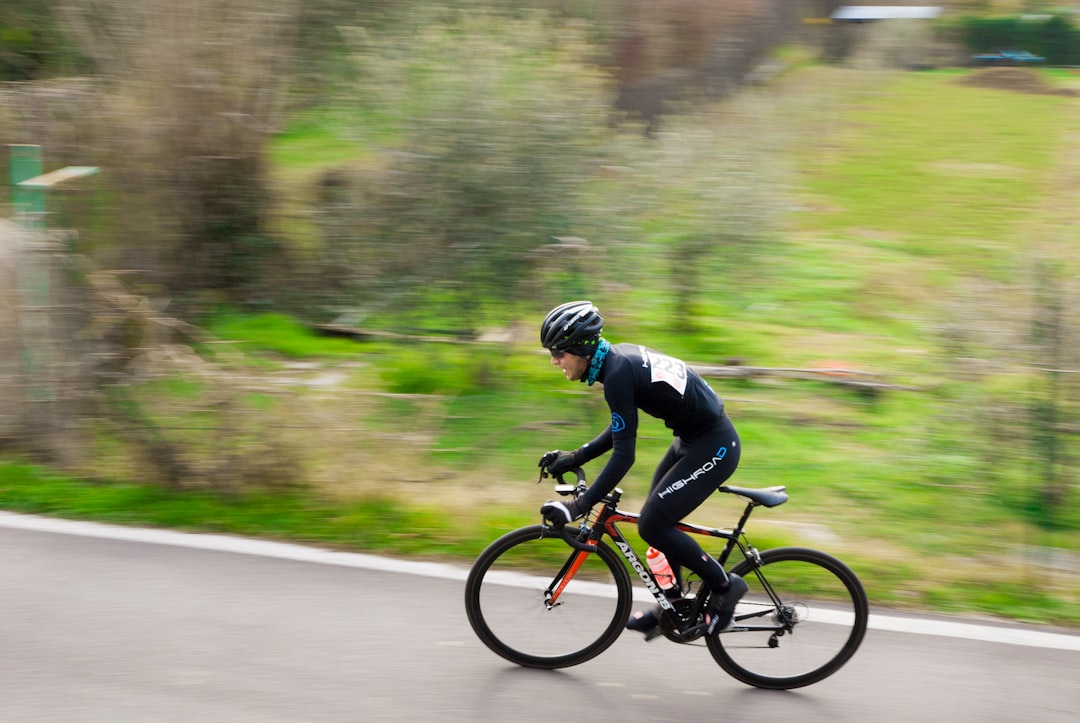
Photo by Mattia Cioni on Unsplash.
Heart rate does not rise the instant you press harder on the pedals. That lag makes it weak for short sprints, sharp attacks, and very brief hill efforts. Use RPE first when the work is too short for heart rate to settle.
The same heart rate can mean different things on different days. Heat, poor sleep, dehydration, caffeine, illness, and fatigue can all change the reading without proving fitness changed. If you train in hot weather, pair this guide with heat-aware heart rate zones.
Do not expect power-like pace control from heart rate alone. Expect strong aerobic guidance, useful fatigue clues, and rougher control during fast-changing work. If race pacing by watts becomes central, review how power meters pair with N+One.
Use RPE, not HR alone, for sprints and very short efforts.
Judge HR trends across repeat rides, not one odd spike.
Add notes when heat, sleep, caffeine, or illness may skew data.
Expect aerobic guidance, not watt-by-watt pacing.
Data analysis is free, forever. The Dynamic Coach is Pro. Connected to Garmin, Strava, Whoop, and intervals.icu.
One tactical email with training ideas and product updates. No spam — unsubscribe anytime.
Heart rate-only training is viable but inherently noisier and slower to reflect changes in load and intensity than power-based metrics.
Keep heart-rate-controlled intervals long enough for the signal to catch up. For shorter work, use breathing, leg feel, and session intent as the main guide. Your threshold did not disappear; your measurement tool is slower than the effort.
Use zones as bands, not thin lines. If a ride target says steady aerobic, stay below threshold and avoid chasing every small beat change. You can refine the model with practical heart rate zone work.
Recovery choices should use both the number and the story around it. If a standard easy ride feels harder and heart rate sits higher, trim volume before you add more intensity. For a wider view, compare this with cycling-specific readiness signals.
Keep HR-guided intervals mostly steady and long enough to settle.
Use RPE beside HR for short efforts and steep climbs.
Keep warmup, route, and gearing similar for repeat tests.
When fatigue signals stack up, cut volume before cutting all intensity.
The goal is one clear next ride, not perfect lab-grade data.
Pair heart rate with steady conditions and RPE so noisy signals become usable coaching inputs.
Keep reading
- Heart Rate Zones for Mitochondrial Adaptation in Cycling — How to use heart rate zones for mitochondrial adaptation in cycling: practical Zone 2 rules, session templates, and adaptive coaching tips.
- Maximum Gains, Minimum Time — Evidence-Based Training for Busy Cyclists — Time-crunched? Use science-backed, time-efficient training (polarized, sweet spot, HIIT) plus real-time adaptation to get measurable gains without en...
- Indoor vs Outdoor Workout Targets in N+One: Adjusting for Trainer Calibration — Indoor and outdoor cycling targets can differ. Learn how to run one paired calibration session, apply the measured offset, and keep N+One targets ali...
A heart-rate-only setup works best when each key ride has a short note. Log date, route, sleep quality, heat, illness, perceived effort, cadence feel, and the heart rate anchors N+One should weigh.
Watch repeat sessions more than single rides. If the same climb feels harder while heart rate runs higher, treat that as a stress clue, not proof that fitness fell. HRV may add context, and HRV for cycling decisions explains that signal in more depth.
A power meter becomes useful when your goal demands tighter pacing. Short intervals, race efforts, and load tracking all gain from direct mechanical output. If you choose one later, start with power meter calibration habits.
Log ride context after each key session while details are fresh.
Compare similar routes, not random rides with different demands.
Use HRV as context, not as a single go-or-stop rule.
Buy power when short-effort pacing or load detail matters.
Day 1 — Setup and baselines: Fit a reliable heart rate sensor, then record waking resting heart rate, sleep, and illness notes. Keep riding easy while you collect baseline context.
Day 3 — Field threshold check: After a full warmup, ride a hard, steady effort you can hold without fading badly. Record average heart rate from the steady portion, plus route, weather, and gearing.
Week 1 — Train with zones: Use one aerobic endurance ride, one steady sub-threshold session, and one longer easy ride. For brief efforts, follow RPE because heart rate will lag.
Week 2 — Monitor and compare: Repeat the same key sessions as closely as possible. If heart rate and RPE rise together on a standard ride, trim volume for a short block and reassess.
Decision point: If your anchors are stable and repeat rides feel better, keep the HR-only setup. If you need precise short-effort pacing, plan a power meter.
Set up a chest strap, run a repeatable threshold field check, set broad HR zones, and train with heart rate plus RPE. Reassess after a short block before changing the whole plan. If you want day-to-day guidance without second-guessing, let N+One translate your latest training and recovery context into one clear next decision.
Yes. N+One can work from heart rate and ride context, but the plan should use broader intensity bands and more RPE checks than a power-based setup.
It can work for easy rides, but hard cycling often benefits from a chest strap. Use one sensor type consistently for tests so your trend data stays cleaner.
Heart rate trails sudden effort changes, so short work often ends before the number settles. Use RPE for those efforts and review the session pattern afterward.
Buy one when your goals need precise pacing for short efforts, racing by watts, or more detailed training-load tracking than heart rate can provide.
ChatGPT for your training — connected to your wearables.