Sleep Debt and Readiness for Cyclists: Recovering a Week of Lost Sleep
5 min read

A practical 7-day plan for cyclists recovering from a week of lost sleep: extend sleep, use naps, cut volume, keep useful intensity, and reassess readiness.
On this page

Photo by Sunil Chandra Sharma on Unsplash.
A week of lost sleep lowers cycling readiness. Recover by extending sleep, cutting volume for seven days, and reassessing before full load.
PubMed-indexed sleep literature supports a cautious training response after short sleep. Sleep loss can affect alertness, recovery, and the readiness signals cyclists use to decide whether to train hard.
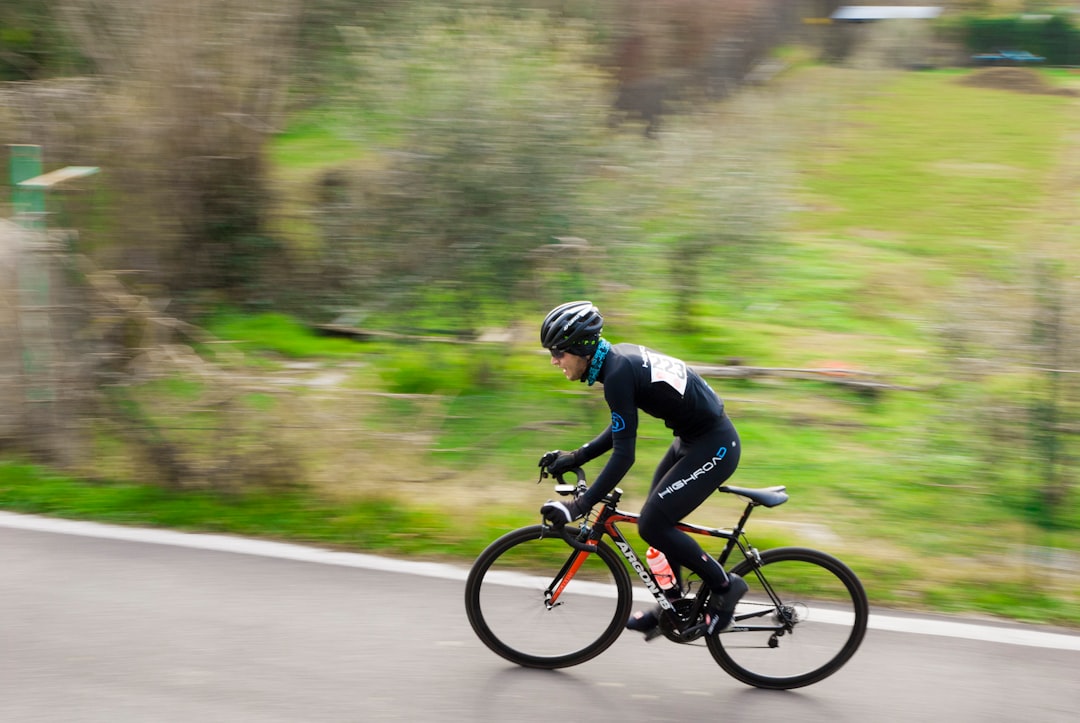
Photo by Mattia Cioni on Unsplash.
The sound move after a week of poor sleep is not to chase missed work. Treat the week as an acute recovery gap, then adjust the training week around it.
PubMed-indexed sleep research links short sleep with reduced alertness, impaired recovery, and changes in systems tied to athletic readiness. The exact size of any performance drop will vary, so this article keeps claims broad and practical.
Your watch may show the drop before you feel it, or you may feel flat while the score lags. Use both sides of the signal, as covered in combining RPE, HRV, and sleep.
Treat the week as an acute recovery need.
Do not add missed volume to the next block.
Compare sleep, mood, HRV, and resting heart rate.
Reassess after seven days before full load.
The aim is to restore readiness before you ask for normal output again.
In N+One terms: preserve the key training signal, but shrink the stress around it while sleep catches up.
Sleep is one of the main windows where repair, neural recovery, and hormonal rhythms can settle. When sleep is cut, the body has less room to restore after training.
For a cyclist, that can show up as heavier legs, higher perceived effort, and poorer focus during hard work. Your threshold did not disappear; your recovery inputs shifted, so the output dropped.
This is why a low score after an easy day can still make sense when sleep has been poor. If that pattern fits your week, review why your readiness score tanks before you judge the ride alone.
Keep one short quality touch if you feel safe and sharp.
Cut the low-value extra endurance work.
Watch perceived effort during warm-up.
Stop if coordination or focus feels poor.
The next move is to protect quality while lowering the total recovery cost.
In N+One terms: your threshold did not vanish; the recovery inputs did, so your system’s output looks lower.
Sleep debt impairs physiological and cognitive readiness relevant to cycling (power, decision-making, perceived exertion).
Data analysis is free, forever. The Dynamic Coach is Pro. Connected to Garmin, Strava, Whoop, and intervals.icu.
For the next seven days, keep planned intensity short and specific, but cut total volume by about one fifth. This preserves the training signal while reducing the load you must recover from.
Add more time in bed for the next block of nights, and use a nap when your day allows it. Keep the nap early enough that it does not push bedtime later.
Use simple readiness checks each morning: sleep time, resting heart rate trend, HRV trend, and how you feel. For a clean decision rule, pair this with an interval readiness checklist before any hard session.
Cut weekly volume by about 20% for seven days.
Keep only short, planned intensity.
Extend sleep opportunity each night.
Use an early nap when feasible.
Reassess on day eight.
One tactical email with training ideas and product updates. No spam — unsubscribe anytime.
Keep reading
- Why Your Readiness Score Disagrees With How You Feel: Common Sources of Mismatch — Readiness scores and how you feel can diverge. Learn the common causes of mismatch and use a 14-day protocol to make one clear training decision.
- Sleep Optimization for Cyclists: Why 8–9 Hours Beats Any Training Supplement — Sleep is the most powerful, low-cost performance tool a cyclist has. Learn why 8–9 hours of quality sleep outranks supplements, how sleep stages driv...
- Sleep Efficiency vs Sleep Duration for Cyclists: Which One Drives Performance — For cyclists, sleep duration is the first limiter when sleep is low. Once duration is adequate, sleep efficiency can drive the next recovery gain.
Do not treat one metric as a verdict. Sleep debt can shift several signals at once, and some will lag behind how you feel.
Resting heart rate, HRV, sleep duration, and mood are most useful when viewed as trends. A single odd morning should not override a week of clear recovery data.
If travel, illness, or altitude also shaped the week, the score may need more context before it guides load. The same logic applies when recalibrating readiness after travel.
Use trends rather than one morning score.
Note caffeine, late meals, and stress.
Compare how you feel with device data.
Restore load only when the trend improves.
This guidance is conservative and training-focused. It does not diagnose insomnia, sleep apnea, or any other sleep disorder.
If daytime sleepiness, breathing issues during sleep, or long-running insomnia persists, speak with a clinician. A training plan should not stand in for medical care.
The evidence base for this piece is limited to a PubMed search supplied for this article. For deeper sleep-specific coaching, start with an insomnia guide for cyclists and keep medical questions with a qualified clinician.
Seek care for persistent excessive sleepiness.
Do not use training advice as diagnosis.
Keep claims narrow when context is unclear.
Extend the recovery week if signals stay poor.
Start today: cut your planned weekly training volume by about 20% for seven days, keep short high-intensity work only if you feel alert, and prioritize added sleep opportunity.
Days 1–2: move bedtime earlier, create a nap window when possible, and remove long endurance work from the plan.
Days 3–6: keep the longer sleep window, nap every other day if it helps, and add one easy aerobic ride only if fatigue is clearly lower.
Day 7–8: review sleep, subjective fatigue, resting heart rate, and HRV trends. If the trend has improved, restore normal volume; if not, keep volume reduced.
A week of lost sleep lowers cycling readiness, but the fix is not complex: expand sleep opportunity, trim volume for seven days, keep only useful intensity, and reassess before full load.
Not always. If you feel alert and coordinated, keep one short, planned intensity touch and cut the surrounding volume. If focus, mood, or warm-up feel clearly off, postpone the hard work.
Usually, it is safer to plan several nights of more sleep opportunity. One good night helps, but readiness often needs a short block of better recovery inputs.
Respect the mismatch. Use a short warm-up check, compare resting heart rate and HRV trends, and reduce volume if the body still feels flat.
If excessive daytime sleepiness, breathing problems during sleep, or persistent insomnia continues, speak with a clinician. This article is training guidance, not medical diagnosis.