Sleep Efficiency vs Sleep Duration for Cyclists: Which One Drives Performance
5 min read

For cyclists, sleep duration is the first limiter when sleep is low. Once duration is adequate, sleep efficiency can drive the next recovery gain.
On this page

Photo by Ricardo Paredes on Unsplash.
Both matter, but cyclists should secure enough sleep duration first. Once time asleep is adequate, sleep efficiency drives the next recovery gain.
Sleep duration is the amount of time you sleep. Sleep efficiency is the share of time in bed that you spend asleep. For cyclists, the best question is not which metric wins forever, but which one limits your next training decision.
Start with sleep duration if you are clearly short on sleep, because your body needs enough time for recovery processes to run.
If you already get enough sleep time yet still wake flat, shift your focus to sleep efficiency and fewer wake periods.
That means stable bedtimes, fewer late disruptions, and a room setup that helps you stay asleep through the night.
In training terms, sleep is not separate from the plan; it is part of the recovery system around the work. Pair it with practical cycling recovery habits, steady fueling, and sane load changes.
Check whether you are short on total sleep first.
If time asleep is adequate, look for wake time in bed.
Change one sleep habit for one to two weeks.
Cut training stress only when poor sleep repeats.
This keeps the answer tied to your real limiter, not a single sleep score.
In N+One terms: fix the sleep bottleneck you actually have, not the one your watch makes easiest to track.
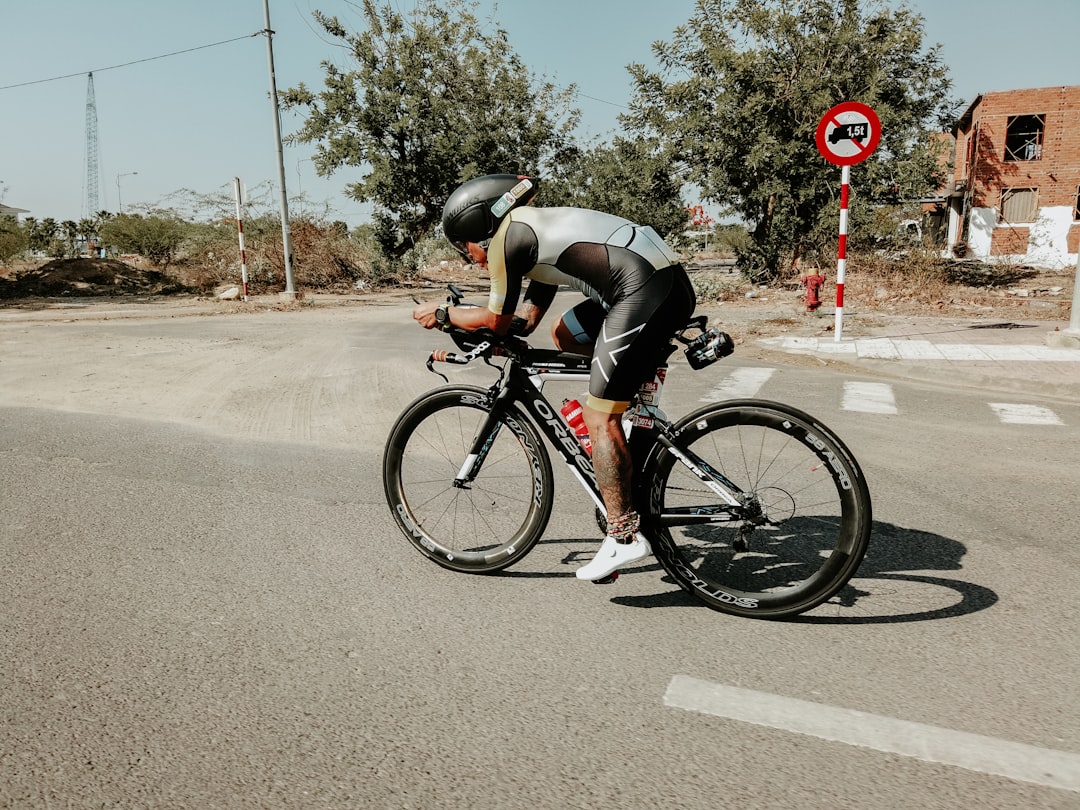
Photo by Tony Pham on Unsplash.
Sleep duration gives your body a longer recovery window after training stress, while sleep efficiency describes how cleanly that window is used.
Low efficiency often means more wake time after you first fall asleep, so the night feels less steady and less useful.
The PubMed-indexed sports sleep literature supports a cautious view: sleep and performance are linked, but cyclist-specific comparisons are limited.
So treat physiology claims with care, and use your own readiness, mood, and ride quality as the field test.
If your midweek power fades after poor sleep, check whether the cause is sleep, food, or load. A simple review of midweek fueling consistency can keep you from blaming sleep for every bad ride.
Duration means total sleep time.
Efficiency means less wake time in bed.
Fragmented nights can lower perceived readiness.
Use trends, not one bad night.
Sleep duration is the primary limiter: insufficient total sleep reduces recovery time available to physiological systems that support tra…

Photo by Kallol Majumdar on Unsplash.
Data analysis is free, forever. The Dynamic Coach is Pro. Connected to Garmin, Strava, Whoop, and intervals.icu.
The strongest safe reading is simple: sleep matters for athletes, and both too little sleep and poor sleep quality can track with worse function.
Direct trials that compare sleep efficiency against sleep duration in cyclists are limited, so do not overfit one metric.
Broader sports sleep reviews indexed on PubMed support sleep as a recovery input, but they do not give one exact rule for every rider.
That is why your training log matters. Match sleep notes with session quality, heart-rate response, and how hard normal work feels.
If those signals move together, fold sleep into your wider training and recovery balance rather than chasing one perfect number.
Do not rank one metric from one night.
Look for repeated sleep and ride patterns.
Use PubMed evidence as direction, not a script.
Track sleep beside training load.
The goal is a better next decision, not a perfect sleep debate.
In N+One terms: evidence gives the guardrails, while your repeated response gives the next move.
A sleep diary is still useful, even if you own a watch or ring.
Write down bedtime, wake time, rough wake periods, caffeine timing, alcohol, naps, and morning readiness.
Consumer devices can help with trends, but their sleep-stage labels may not match lab testing for each person.
Use them as a map, not as a verdict on your body.
Keep the data simple for two weeks. If duration is low, add sleep opportunity; if duration looks fine but mornings feel poor, reduce wake time in bed.
For riders who wake often or dread bedtime, an insomnia-focused recovery plan may be a better first step than more training metrics.
Log bedtime and wake time daily.
Note naps, caffeine, alcohol, and stress.
Compare sleep notes with ride quality.
Trust trends more than sleep stages.
One tactical email with training ideas and product updates. No spam — unsubscribe anytime.
Keep reading
- Heat Acclimation for Cyclists: Sauna, Hot Baths, and Training Protocols — Heat acclimation for cyclists: how sauna, hot baths, and heat rides work, plus a practical 2-week protocol with safety and recovery rules.
- HRV coupling training: Readiness, resting HR, and decisions — HRV coupling training: use HRV with resting heart rate, recovery signal, and perceived freshness to make durable, science-based training choices.
- Recovery Optimization: Evidence-Based Strategies to Maximize Cycling Adaptation — Recovery is where gains happen. Practical, science-based recovery strategies—sleep, nutrition, active rest, and monitoring—to help an advanced cyclis...
For the next two weeks, do not rebuild your whole life around sleep data.
Make one decision: protect sleep duration first, then clean up efficiency if duration is no longer the clear limiter.
Keep intensity in the plan, but trim non-essential volume when poor sleep repeats across several nights.
This preserves the skill and strain of quality work while lowering the total recovery bill.
If you also train early or late, plan sessions with sleep in mind. A time-crunched rider may gain more from shorter, sharper training choices than from forcing volume into tired weeks.
Protect enough sleep time first.
Keep one key intensity touch if safe.
Trim low-value endurance volume for a week.
Recheck sleep and ride feel after seven days.
Restore volume only when readiness improves.
This gives you a clear path when both sleep and training feel messy.
In N+One terms: keep the signal, lower the cost, then reassess with cleaner sleep data.
Some sleep problems sit outside coaching scope, and they deserve medical care rather than more willpower.
Loud snoring, gasping, witnessed pauses in breathing, persistent insomnia, or strong daytime sleepiness should prompt clinical review.
If your sleep stays poor after basic changes, speak with a primary care clinician or sleep specialist.
Formal sleep testing may be needed when symptoms suggest a sleep disorder.
Training changes can help manage load, but they are not a substitute for diagnosis or treatment.
Do not self-diagnose sleep apnea.
Seek help for gasping or witnessed breathing pauses.
Get care for ongoing severe sleepiness.
Ask for review if insomnia persists.
Day 0 — Baseline assessment: Record recent sleep time, time in bed, wake periods, training load, and morning readiness. If you lack a device, use a sleep diary before making large changes.
Days 1–7 — Stabilize sleep: Set a consistent lights-out and wake time, reduce late screen exposure, keep the room dark and cool, and trim non-essential training volume if poor sleep repeats.
Days 8–14 — Reassess and progress: Compare sleep notes with ride quality. If readiness and sleep improve, restore volume step by step. If sleep remains poor, keep load modest and consider clinical review.
Both matter, but cyclists should secure enough sleep duration first. Once duration is no longer the clear limiter, better sleep efficiency can drive the next recovery gain because less wake time makes the same night more useful.
Not if you are clearly short on sleep. Add sleep opportunity first, then work on efficiency if you still wake unrefreshed or see repeated poor readiness.
One bad night is usually a signal, not a verdict. Watch the pattern across several nights, then adjust volume if poor sleep and poor ride quality repeat together.
They can help with trends, but they should not stand alone. Pair device data with a sleep diary, morning feel, and session quality.
Seek medical review for loud snoring, gasping, witnessed breathing pauses, persistent insomnia, or daytime sleepiness that affects normal life.