Detraining vs Real Fatigue in Readiness Scores: Telling Them Apart After a Break
5 min read

Learn how to tell detraining from acute fatigue when readiness scores drop after a break, with a practical 7–10 day cycling protocol.
On this page
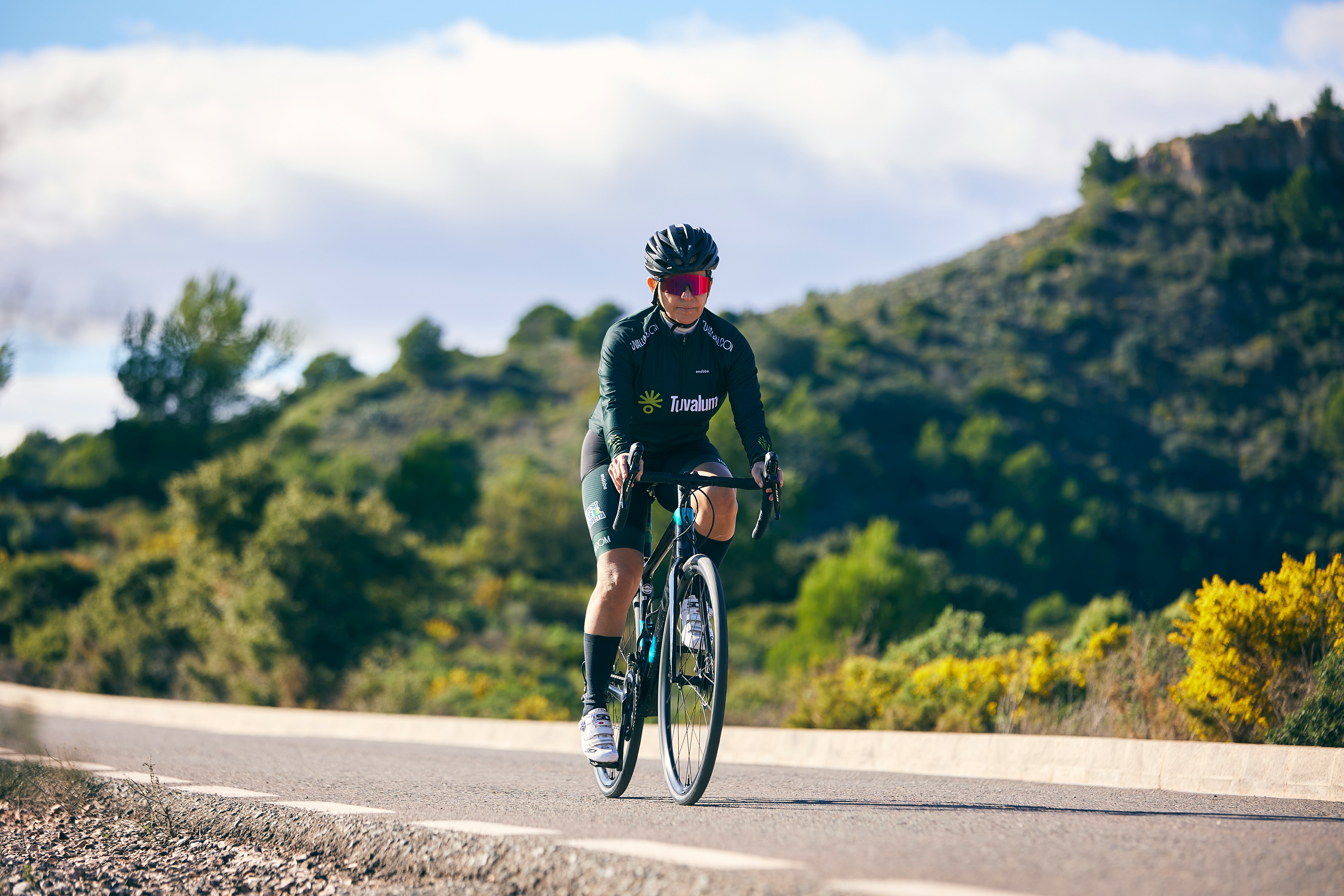
A low readiness score after a break can mean acute fatigue or detraining. Use time course, simple tests, and one clear next move.
Readiness scores blend signals, so a low score after time off needs context. The score is a prompt to ask what changed, not a verdict on your fitness or discipline.
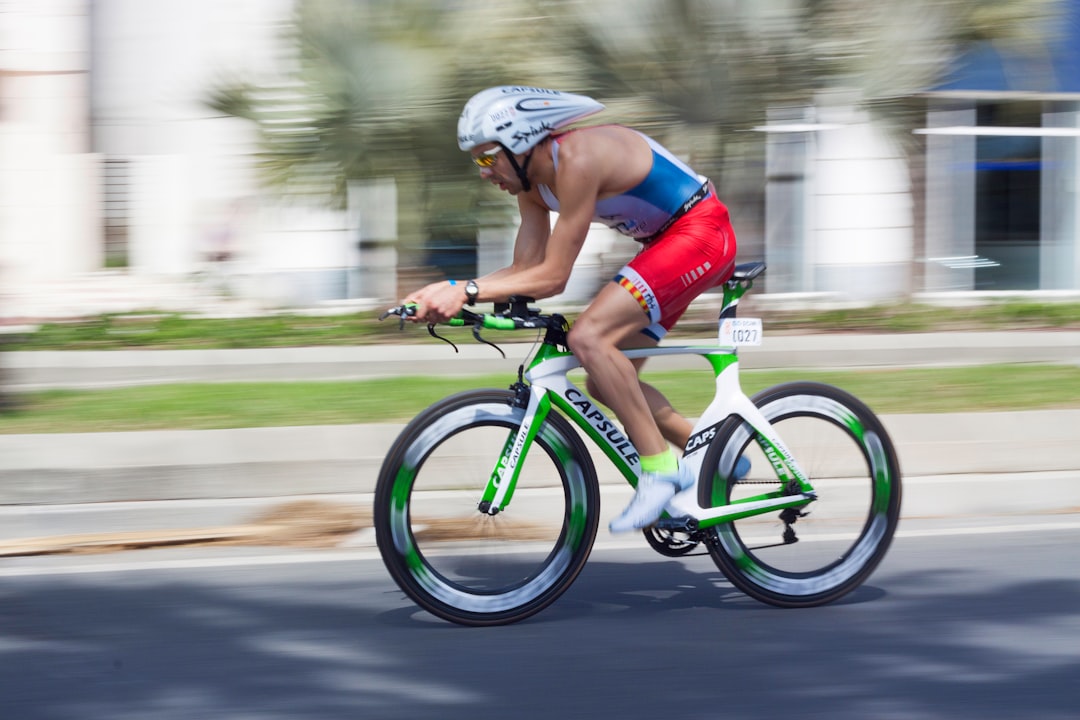
Photo by Quino Al on Unsplash.
Detraining means some training-linked adaptation has faded after time away from normal load. In your data, it is more likely to look like a slow pattern than a single bad morning.
Look for the same story across ride feel, repeat power, heart rate response, and the readiness trend. A one-day score dip may be noise, while a repeated drop across checks deserves a rebuild plan.
If you are unsure whether the app is reacting to a true loss or a recent odd input, compare the pattern with why readiness can tank. That helps keep one strange day from steering the whole week.
Check whether the low score repeats across several mornings.
Compare current steady power with your last normal baseline.
Watch whether the same workload now feels harder.
Treat a durable pattern as detraining, not weakness.
If the decline keeps showing up, your next move is a controlled rebuild.
In N+One terms: if the decline is steady across weeks, treat it as a system drift that needs a measured reload.
Acute fatigue is different because the system is under-recovered, not truly rebuilt downward. It often follows poor sleep, travel, high life stress, or one harder-than-planned session.
The clue is speed. A sharp drop that lines up with a short-term stressor often calls for a lighter day, then a reassessment rather than a full fitness reset.
When the break involved travel, illness, or altitude, use a wider lens before you judge the score. The guide to recalibrating readiness after travel fits this exact gray zone.
Name the recent stressor before changing the plan.
Make the next ride easy if sleep was poor.
Recheck the score after recovery inputs stabilize.
Avoid adding hard work to prove fitness.
If the drop is sudden, fix the input before you rebuild the engine.
In N+One terms: your threshold did not disappear; your recovery inputs shifted, so the output dropped.
Detraining is a loss of training-induced physiological adaptation; acute fatigue is transient overload or incomplete recovery.
Data analysis is free, forever. The Dynamic Coach is Pro. Connected to Garmin, Strava, Whoop, and intervals.icu.
You do not need a perfect lab test to make a better call. You need a repeatable check under calm conditions, with the same bike setup and the same route when possible.
Start with easy rides while you bring sleep and routine back toward normal. Then use one controlled sub-threshold session to see whether power, breathing, and perceived effort move back together.
Pair the numbers with how the ride feels. A short guide to combining RPE, HRV, and sleep can help you weigh the full signal instead of chasing one metric.
Use the same route, bike, and warm-up if possible.
Keep the first checks below threshold.
Log sleep, stress, readiness, and ride feel.
Repeat one known effort after the easy reset.
Let the pattern guide the next block.
One tactical email with training ideas and product updates. No spam — unsubscribe anytime.
Keep reading
- Understanding Training Load: How CTL, ATL, and TSB Guide Your Training Progression — Learn how training stress balance (TSB), chronic training load (CTL), and acute training load (ATL) work together to manage fitness and fatigue. Prac...
- Training Stress Balance in N+One: Reading CTL, ATL, and Form Without the Jargon — Learn how to read CTL, ATL, and Form in N+One so you can act on training stress trends without overreacting to daily noise.
- Detraining for Cyclists: How Fast CTL Drops After Illness or Holiday — Direct evidence on CTL drops after illness or holiday is limited. Use this clear return plan to cut volume, keep some intensity, and rebuild safely.
HRV and resting heart rate can be useful, but they need trends and context. A single reading can shift with sleep, stress, timing, and measurement conditions.
Read the trend beside the story of your last few days. If resting heart rate stays higher while ride feel and readiness stay low, it is a stronger warning than one isolated value.
For a deeper lens, compare your notes with resting heart rate trend signals. If your score feels hard to parse, review what readiness components mean before changing the week.
Measure at the same time each morning.
Use trends, not one reading.
Pair HRV with sleep and ride feel.
Flag mismatched data rather than forcing a verdict.
Your first move should protect the fitness signal without piling stress on a tired system. Keep one touch of intensity, cut some volume, then reassess with the same check.
This works because intensity gives you useful feedback, while lower load gives recovery room. If the score and ride feel rebound, fatigue was the main issue.
If they do not rebound, shift toward a progressive rebuild instead of forcing old numbers. For the broader model, use training readiness for the next session and then map the comeback with a plan after missed days.
Keep one short session at target intensity.
Trim total ride load for the week.
Do not add extra hard work to test yourself.
Recheck readiness and repeat effort quality.
Rebuild if the low pattern persists.
The best next move is a small, clear test rather than a big guess.
In N+One terms: keep intensity, cut volume for a short window, then judge the response.
Day 0 — Baseline: Record your readiness score, resting heart rate, HRV, sleep, subjective readiness, and recent stressors such as travel or poor sleep.
Days 1–3 — Stabilize recovery inputs: Keep rides easy, keep routines steady, and bring sleep and fueling back toward normal before judging the score.
Days 4–6 — Test sub-threshold: Ride a controlled effort below threshold and compare power, breathing, and perceived effort with a known baseline.
Days 7–10 — Repeat a known check: Use the same warm-up and route if possible, then repeat a familiar sustained effort without turning it into a race.
Decision — If readiness, effort, and ride response rebound, treat the issue as acute fatigue. If the low pattern persists, start a gradual rebuild.
A low readiness score after a break is not one diagnosis. If it drops fast and rebounds when recovery inputs improve, treat it as acute fatigue. If it stays low across repeated checks, treat it as detraining and rebuild with calm, steady load.
Not by default. If you have no illness signs and the issue looks like uncertainty after time off, use easy riding and one controlled check before deciding.
No. One HRV reading is not enough. Pair the trend with resting heart rate, sleep, ride feel, and a repeatable performance check.
Keep the next session controlled and compare the response with your baseline. If performance and feel are normal, do not let one score rewrite the whole plan.
Treat it as detraining when low readiness, poorer repeat efforts, and harder ride feel persist across several checks instead of rebounding after recovery inputs improve.