Repeatability Training for Crit Racers: Build the Ability to Surge Again and Again
5 min read

Learn repeatability training for crit racing: how to surge, recover, and surge again with practical sessions, weekly placement, and recovery checks.
On this page

Photo by Andreas Rasmussen on Unsplash.
Repeatability training helps you surge, recover, and surge again in crits. Use short, hard efforts with controlled recovery to build the next surge.
Criteriums reward riders who can answer one hard move, settle just enough, then answer the next one. Repeatability is that skill under load: not your single best surge, but your ability to make the next surge still count.
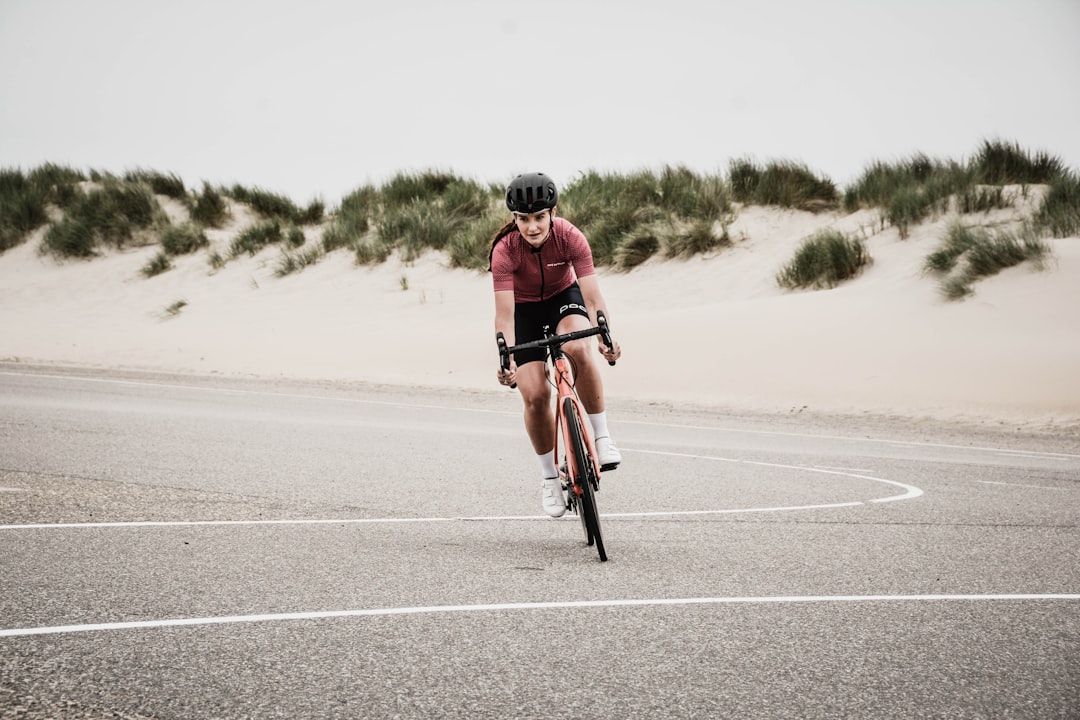
Photo by Fons Bikes BV on Unsplash.
Crit racing is built from corners, jumps, gaps, and short fights for position. A single peak effort helps, but the race often turns when you must surge again before you feel fresh.
Think of repeatability as the link between power and race craft. It sits beside a clear power-based race plan, because your numbers only matter when you can use them under stress.
When progress slows, many riders chase a bigger one-off sprint. For crits, the better next move is often to hold your surge quality across repeated attacks.
Track your best surge and your last useful surge.
Keep the first repeats sharp, not reckless.
Stop the set when form and power fade badly.
Pair surge work with calm corner exits.
Repeatability is the system-level ability to recover fast enough between surges so your next effort stays useful.
A practical way to view repeatability is simple: your body must make force, clear strain, and prepare to make force again. PubMed-indexed repeat-sprint literature discusses this repeated-effort problem, though exact protocols vary by sport and study design.
The main field signs are not hidden in a lab report. Watch RPE, heart rate response, power consistency, and how fresh your legs feel before the next surge.
Strength and coordination also shape how each jump feels. If your sprint mechanics fall apart, off-bike strength work for cyclists can support cleaner force, while clean sprint data from your meter helps you judge repeat quality.
Use the same road or trainer setup for repeat sets.
Compare first, middle, and last efforts.
Note RPE beside power, not after memory fades.
Keep cadence and position steady when testing.
In N+One terms: you are tightening the valleys between peaks so you can surge again.
Repeatability = ability to produce multiple high-power surges with partial recovery between them.
Data analysis is free, forever. The Dynamic Coach is Pro. Connected to Garmin, Strava, Whoop, and intervals.icu.
Use three session types, but do not stack them all when you are already carrying race fatigue. The goal is high-quality repeats, not a hard ride that turns every surge into noise.
The short-sharp session uses very brief full-gas jumps with easy rolling between them. It trains snap, timing, and the feeling of getting back on top of the gear quickly.
The classic repeatability session uses longer near-maximal surges with active recovery. The endurance-repeat session uses hard sustained blocks, which link repeated force with pacing and breathing control.
If you need more detail on the short end, start with building explosive snap. If your limiter is repeated attacks after hard riding, learn how your anaerobic matchbook shapes those choices.
Short-sharp: full-gas jump, easy roll, repeat while crisp.
Classic: near-max surge, active recovery, repeat while steady.
Endurance-repeat: hard block, easy block, repeat with control.
Use one session type as the main hard work.
Your clear move this week is simple: swap one normal interval day for a focused repeatability session. Keep the rest of the week calm enough that the hard work stays sharp.
Place the short-sharp day early, then use an easy endurance day before the classic repeatability day. Put the sustained repeat session later only if sleep, mood, and leg feel are stable.
If you are racing soon, keep intensity but trim extra volume first. That choice protects race-day freshness while keeping the signal your body needs to adapt.
For a tight schedule, use busy-week training choices to keep the key session without stuffing the week. Your threshold matters, but why durability outlives FTP explains why late-race repeat quality often decides crits.
Day one: short-sharp repeats as the main work.
Next day: easy endurance only.
Midweek: classic repeatability if freshness is good.
Later week: sustained repeats or easy spin.
Race week: keep openers short and leave fresh.
If you want day-to-day guidance without second-guessing, let N+One translate your latest training and recovery context into one clear next decision.
One tactical email with training ideas and product updates. No spam — unsubscribe anytime.
Keep reading
- Adaptive Training Plans: The Science That Boosts Cycling Performance — Adaptive training plans use real-time data (power, HRV, sleep, TSB) and decision algorithms to deliver the right stimulus at the right time. Learn th...
- Anaerobic Work Capacity (W') for Cyclists: Train W' for Sprint Finishes and Attacks — Learn what W' means for cyclists, why it matters for sprints and attacks, and how to train and test anaerobic work capacity with a six-week block.
- Coach-Designed Sprint Intervals: 6-Second, 15-Second, and 30-Second Variants — Use coach-designed 6-second, 15-second, and 30-second sprint interval templates with clear execution cues, recovery rules, and a 7-day protocol.
Repeatability work should feel hard, but it should not turn every ride into survival. When the first efforts are flat and RPE jumps early, your system is asking for less load.
Back off when two hard reps in a row miss the intended feel or power pattern. Do not chase the session with more volume, because poor repeats teach the wrong rhythm.
Use a simple weekly repeat set to watch trends, not a single dramatic number. Same warm-up, same route or trainer mode, same notes, and the same honest read on freshness.
Cut the set when two repeats fade in a row.
Replace the next hard day with easy riding if fatigue lingers.
Log sleep, mood, soreness, RPE, and power together.
Judge trends across weeks, not one off day.
Training gives you more useful surges, not unlimited matches. In a crit, spend them where position, timing, and course shape make the effort worth it.
Warm up enough to feel awake before the first corner fight. Add a few short openers, then stop while the legs still feel sharp rather than heavy.
During the race, stay close enough to the front that you do not spend every lap closing gaps. Your repeatability training works best when tactics reduce waste and make each surge count.
For events with steady pressure between jumps, power-guided pacing choices can still help. The lesson is not to ride a crit like a time trial, but to know when restraint buys the next move.
Warm up until breathing and legs feel ready.
Use short openers, then stop before fatigue builds.
Stay near the front without riding in the wind too long.
Spend surges on corners, gaps, and winning moves.
In N+One terms: train for enough effective surges, then spend them with discipline.
Week A: Put one short-sharp repeatability session early in the week, one classic repeatability session after an easy day, and one controlled sustained-repeat ride later if freshness is stable.
Week A recovery rule: keep easy days truly easy, and cut added volume before you cut the key intensity session.
Week B: Keep one reduced short-sharp session, one light repeatability touch, and a short opener ride before the race or rehearsal.
Week B recovery rule: if the legs feel dull, remove the light repeatability touch and keep only the short openers.
Repeatability training is the crit skill of surging, recovering, and surging again. Swap one interval day this week for focused repeatability work, keep the easy days easy, and track whether your later surges stay useful.
Yes, but keep the goal clear. You are not only chasing one bigger sprint; you are teaching your body to deliver useful surges more than once.
Usually, no. Replace one hard ride first, then judge freshness and repeat quality before adding more load.
A small fade can happen, but a clear drop across repeated efforts means the session has done its job. Stop the work and recover well.
A power meter helps, but you can still use RPE, speed on a known segment, and how quickly you feel ready for the next surge.