Coach-Designed Sprint Intervals: 6-Second, 15-Second, and 30-Second Variants
5 min read

Use coach-designed 6-second, 15-second, and 30-second sprint interval templates with clear execution cues, recovery rules, and a 7-day protocol.
On this page
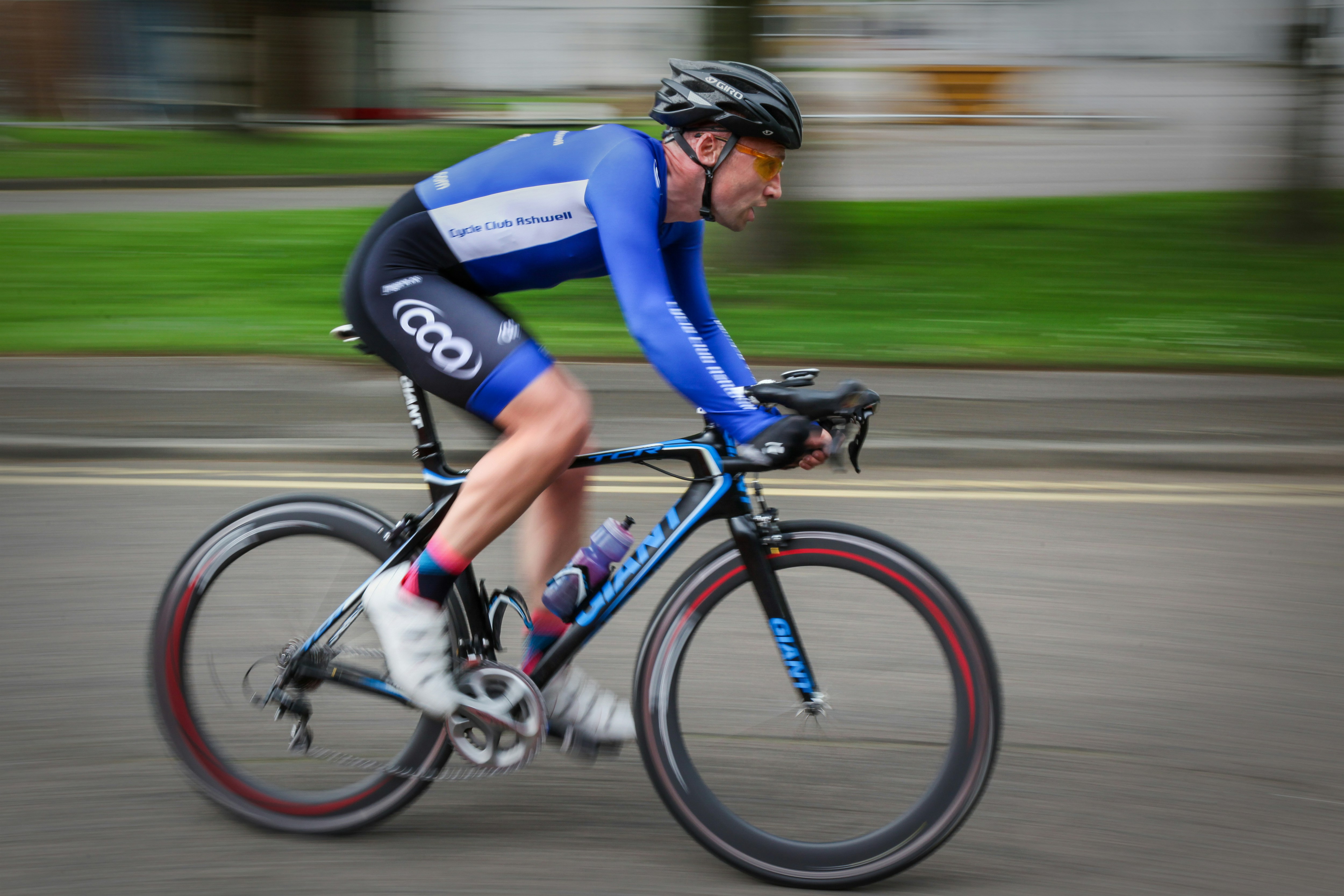
Photo by Garry Neesam on Unsplash.
Three short sprint templates—6-second bursts, 15-second efforts, and 30-second repeats—help you train the right power target with intent.
Sprint intervals group short, hard efforts inside a planned ride. PubMed indexes research on sprint interval training, but this article stays practical: how to choose, execute, and recover from one sprint variant at a time.
The three formats sit on the same sprint spectrum, but they do not ask the same thing from you. Six-second sprints bias explosive launch quality, while longer efforts add more demand from short, hard work.
Use 6-second sprints when the goal is clean acceleration and peak force through the pedals. For a deeper sprint framework, see how explosive sprint work fits cyclists.
Use 15-second sprints when you want a race-like punch that lasts beyond the first jump. Use 30-second repeats when you need to hold high power after the first surge fades.
6-second: explosive start and peak power focus.
15-second: race punch with short hard-work demand.
30-second: sustained sprint effort under more fatigue.
Keep the format narrow so the signal stays clear.
In N+One terms: 6s for launch, 15s for punch, 30s for repeat power.
Choose the sprint that matches the power target you need, not the one that feels coolest.

Photo by Talles Alves on Unsplash.
When progress slows, sprint work should sharpen the system, not flood the week with more strain. Start with the shortest sprint that still serves the goal.
In a base block, 6-second sprints can keep leg speed and force sharp without turning the whole ride hard. If your week is already tight, pair them with time-efficient training choices rather than adding another demanding day.
Near racing, 15-second work often maps well to attacks, jumps, and closing gaps. Thirty-second repeats ask for more recovery, so place them where the next day can stay easy.
Base block: favor 6-second starts.
Race prep: use 15-second race-punch work.
Harder block: add 30-second repeats with care.
Recovery week: keep intensity, trim total reps.
Three coach-designed sprint variants: 6s, 15s, 30s—each targets slightly different neuromuscular and metabolic stress profiles.

Photo by Polina Rytova on Unsplash.
Data analysis is free, forever. The Dynamic Coach is Pro. Connected to Garmin, Strava, Whoop, and intervals.icu.
Pick one template, warm up well, and do not mix all three formats in one session. The goal is a clean signal, not a messy set of hard efforts.
For 6-second sprints, use standing starts or slow rolling starts after a full warm-up. Start with a low number of clean reps, rest until breathing settles, then stop when launch quality fades.
For 15-second sprints, ride seated or mixed starts and keep the same start style across reps. For 30-second repeats, pace the first surge enough to avoid early form loss, then hold strong to the line.
If you use a power meter, treat sprint data as a guide to repeat quality, not as a reason to force one more rep. Review power-meter cues for precise sprinting before you build targets.
6-second: short starts with full recovery.
15-second: controlled maximal efforts with steady form.
30-second: hard repeats with careful pacing.
Stop the set when power or form drops.
Pick one sprint template this week, then let recovery show whether the dose was right.
One tactical email with training ideas and product updates. No spam — unsubscribe anytime.
Keep reading
- Climbing Power Profiles: Train for 5-, 20-, and 60-Minute Climbs — Test 5-, 20-, and 60-minute climbing power, then use a focused four-week block to train the climb duration your event needs most.
- Anaerobic Work Capacity (W') for Cyclists: What It Is and How to Train It — Learn what W' means for cyclists, why it shapes attacks and sprint finishes, and how to train it with a clear six-week protocol.
- Maximize Performance with Cycling Strength Training — Cycling strength training builds power, resilience, and efficiency. Learn evidence-based lifts, rep ranges, session templates, and how to integrate 2...
Sprint work rewards clean starts and punishes loose setup. Choose a safe road, keep your line clear, and avoid traffic, gravel, or blind turns.
Set your hands, brace your trunk, and drive the pedals without rocking the bike across the road. The first few pedal strokes should feel forceful, not frantic.
If form breaks, the rep is over. You are training output under control, not proving toughness after the useful work has ended.
Power is helpful, but perceived control matters too. If you want to compare sprint shape against longer outputs, use a power profile check after the ride.
Use the same posture for each repeat.
Start only on a clear, safe road.
Brace first, then drive the pedals.
End the rep when form breaks.
Most riders should start with one sprint-focused session in the week, then watch how the next two days feel. Add more only when sleep, mood, legs, and easy rides remain steady.
Progress by adding a small amount of work or by making recovery slightly tighter, not by changing every lever. If the week also includes threshold or over-under work, keep sprint volume low and review choosing the right power stimulus.
If recovery lags, cut weekly volume and keep only the highest-quality sprint work. Your sprint did not vanish; the training system around it drifted.
Start with one sprint day this week.
Keep the next day easy or off.
Add reps only when recovery stays steady.
Cut weekly volume if fatigue lingers.
Reassess before the next hard session.
If you want day-to-day guidance without second-guessing, let N+One translate your latest training and recovery context into one clear next decision.
Your output falls when recovery inputs shift, so fix the system before chasing harder reps.
Day 1: Warm up fully, then perform one chosen sprint template: 6-second, 15-second, or 30-second. Finish with easy spinning.
Day 2: Ride easy at conversational effort or rest fully if your legs feel flat.
Day 3: Do low-intensity skills, mobility, or strength work only. Do not add more sprints.
Day 4: Ride easy endurance or rest. Check soreness, sleep quality, and general readiness.
Day 5: If recovered, repeat the same sprint template at the same volume. If not, reduce the number of repeats or skip intensity.
Day 6: Spin easy and keep the ride relaxed. Avoid chasing power targets today.
Day 7: Review sprint quality, perceived effort, and recovery. Keep next week to one sprint session unless recovery stayed strong.
This week, choose the 15-second template, execute it once with a full warm-up, then schedule one easy spin day and one full rest day before reassessing.
Start with 15-second sprints if you want one balanced choice this week. They give a clear sprint stimulus without asking for the longer strain of 30-second repeats.
Yes. Use a safe road, repeat the same start style, and stop when form drops. A power meter helps track repeat quality, but it is not required.
Use one sprint-focused session first. Add a second only when the rest of your week stays easy enough and recovery remains steady.
End the set or reduce the remaining reps. A drop usually means the useful sprint signal has faded, so more work may only add noise.