Pacing Strategies for 40 km Time Trials: A Power-Based Playbook for Cyclists
5 min read

Use power-based pacing for a 40 km time trial: set a realistic target, start controlled, handle terrain, rehearse the plan, and make one clear halfway call.
On this page
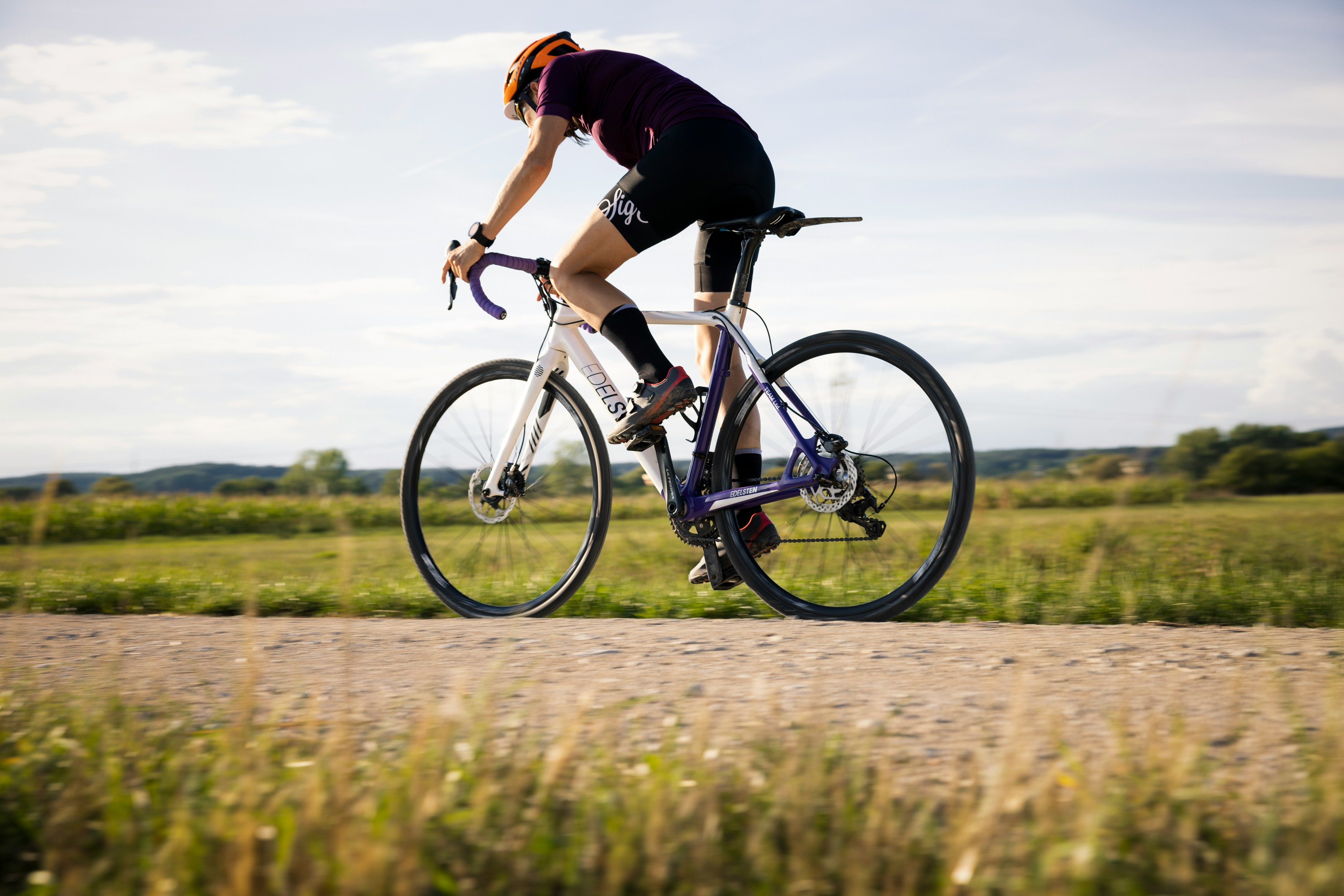
Photo by Markus Spiske on Unsplash.
Use steady, power-based pacing tuned to your recent threshold, then make one clear adjustment at halfway if fatigue shows.
A 40 km time trial rewards restraint as much as force. Your best ride usually comes from a target you can hold, not from chasing every small change in speed.
Power gives you a fixed signal when wind, road grade, and early nerves make speed hard to trust. It helps you ride the cost of the effort, not the mood of the moment.
Gut feel still matters, but it can lag behind what your legs are spending. A head unit with smoothing can keep you from chasing every jump in the number.
Use power as the anchor and feel as the cross-check. That same logic sits behind broader race execution in a power-led race plan.
Use power to hold effort when speed changes.
Watch lap or rolling power, not each second.
Treat feel as a warning light, not the main gauge.
Keep the first part calm enough to settle.
This keeps your threshold effort tied to the finish, not the start.
In N+One terms: use power to keep the training system stable so your threshold produces the expected finish time.
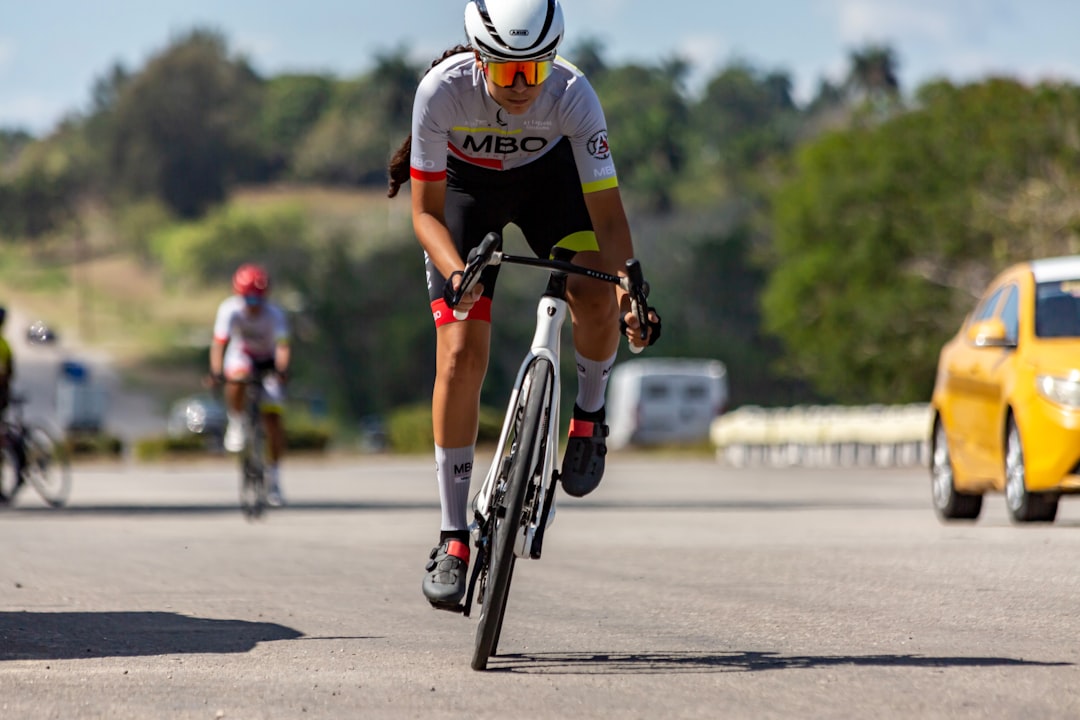
Photo by Ricardo IV Tamayo on Unsplash.
Your target should come from recent, trusted data, not from the best number you once hoped to hold. A fresh test, a hard race, or a well-paced long effort can set the range.
If your data is thin, start a little below your best estimate and protect the second half. You can still lift the effort late if breathing, form, and power stay steady.
Before you trust the number, check the device and test method. Pair a sound threshold check with accurate FTP testing steps and power meter setup habits.
Base the target on recent trusted rides.
Lower the target when data or weather is uncertain.
Use a range, then ride the lower edge early.
Save any lift for the last part of the course.
The right target turns current fitness into a ride you can finish well.
In N+One terms: your threshold did not vanish; pick a power that fits your current training state.
Treat the 40 km TT as a prolonged maximal effort: prioritize even power over large early surges.
Data analysis is free, forever. The Dynamic Coach is Pro. Connected to Garmin, Strava, Whoop, and intervals.icu.
Open below your target, settle into it, then hold the line with calm checks. The first mistake in a time trial is often spending too much before the ride has found its rhythm.
Once you are settled, use rolling power and steady breathing to keep the effort smooth. If you want a late lift, it should feel earned, not owed.
A mild negative split can work when it is planned, practiced, and not saved for panic. For more on that shape, see how to pace a late lift.
Start controlled, even if speed feels low.
Settle before you judge the whole ride.
Hold power with rolling averages.
Only lift late if form is still clean.
One tactical email with training ideas and product updates. No spam — unsubscribe anytime.
Keep reading
- Sprint Power Training: Build Explosive Neuromuscular Power for Cyclists — Develop true sprinting ability with science-based sprint sessions, year‑round programming, and practical tips for maximal 5–30s efforts. Learn recove...
- Sweet Spot Training: Maximum Gain, Sustainable Fatigue — Sweet spot training (88–94% FTP) delivers high aerobic gains with manageable fatigue—ideal for time-crunched cyclists. Learn interval design, periodi...
- Climbing Power Profiles: Train for 5-, 20-, and 60-Minute Climbs — Test 5-, 20-, and 60-minute climbing power, then use a focused four-week block to train the climb duration your event needs most.
Photo by Yomex Owo on Unsplash.
A flat target does not mean a flat ride. You can press a little harder when the road slows you, then ease when extra power buys little speed.
On rises, keep the lift short and return to target before the surge turns into a new race. On fast descents, hold your shape and let speed do more of the work.
If the course has long climbs, your target needs terrain practice before race day. Build that feel with power work for longer climbs rather than guessing on the start line.
Push gently on climbs, not wildly.
Return to target after each rise.
Stay aero when speed is high.
Let wind change speed, not your whole plan.
In N+One terms: trade short power spikes for preserved hold power.
Race pacing is a skill, so rehearse it when the stakes are low. Practice the same start, the same screen, and the same late decision you plan to use.
If the ride starts to slip, do not chase the lost power all at once. Reset the target, hold the new line, and save any attack for the final stretch.
Your profile also shapes the plan. A rider with strong short power may need more guardrails, while a steady rider can lean on time-trialist strength patterns.
Rehearse the opening before race week.
Use the same data screen in practice.
Reset once if the plan breaks.
Do not repay early losses with one surge.
Finish hard only if you can hold form.
A rehearsed choice cuts doubt when your effort starts to bite.
Day 1 — Hard rehearsal: Ride a sustained time-trial effort near planned race power, or just below it if conditions look harder than normal. End with easy spinning.
Day 2 — Recovery: Ride easy enough that speech stays comfortable. Keep the work light and do not chase missed power.
Day 3 — Intensity tune: Complete several race-power blocks with easy riding between them. Hold aero position and watch how steady the power feels.
Day 4 — Easy: Keep the ride short and relaxed. Add a few brief accelerations only if they leave you feeling sharper.
Day 5 — Short race-pace bursts: Use short efforts above target to rehearse the finish. Stop while the work still feels crisp.
Day 6 — Pre-race tune: Ride briefly with one controlled block below race target. Check gears, tires, head unit screens, and power readings.
Day 7 — Race day: Warm up with a smooth rise in effort. Start below target, settle with rolling power, then decide at halfway whether to hold or trim.
For a 40 km time trial, use steady, power-based pacing tuned to your recent threshold. Start with control, hold the target with rolling power, and make one clear halfway call instead of chasing every change in speed.
Use speed as feedback, not the main target. Wind, surface, and grade can change speed while the true cost of the effort stays high.
Stay patient. A controlled start protects the effort you need later, when the same power usually feels much harder.
No. Aim for steady power first. A late lift is useful only when you have practiced it and your form still holds.
Do not surge to repay the loss. Trim the target once, settle your breathing, and ride the best steady effort left.