How to Ask the Coach for a Race-Specific Strategy in N+One
5 min read

Ask your coach for a race-specific strategy with one concise brief: goal, course, recent training, recovery, metrics, logistics, and a clear pacing request.
On this page
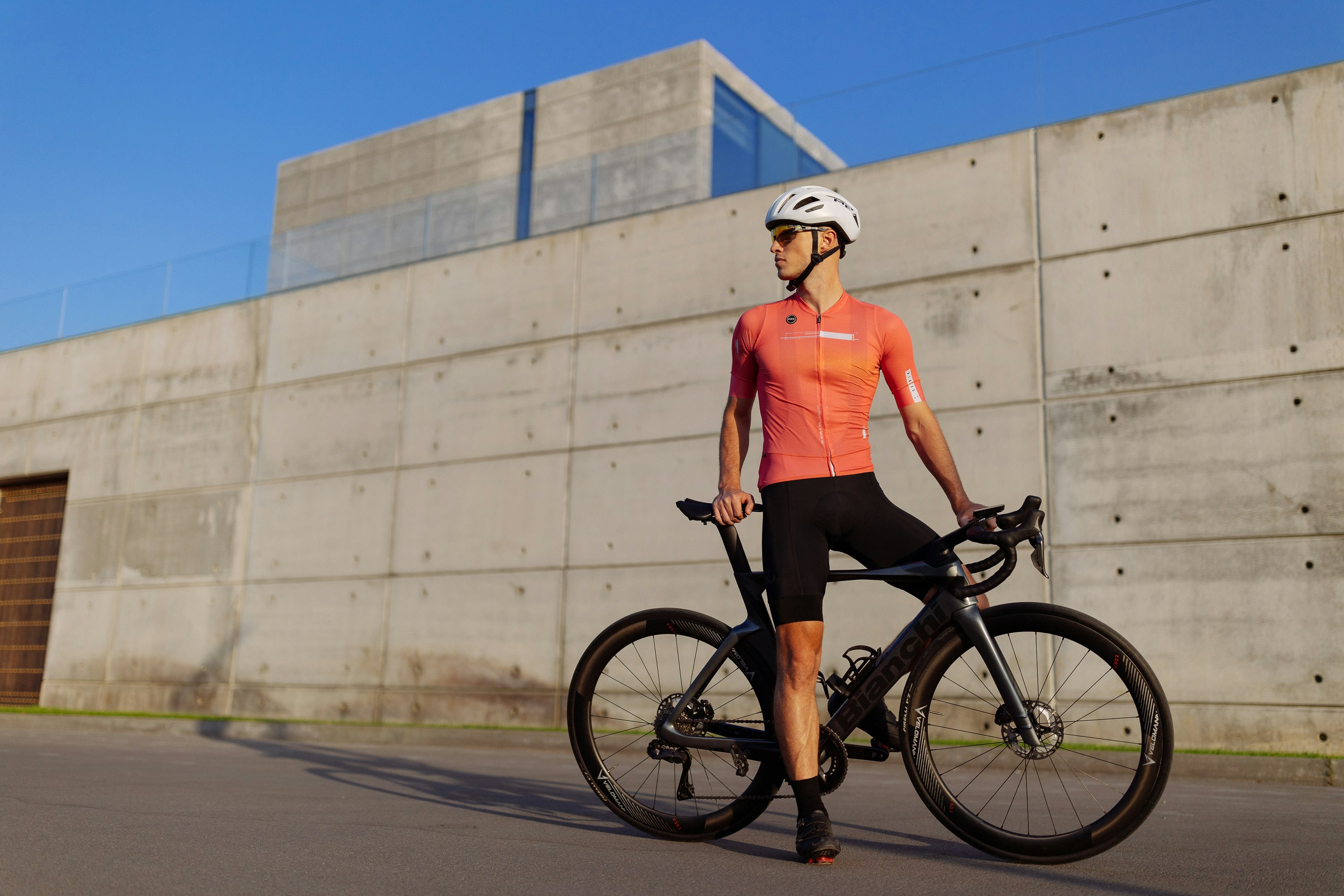
Photo by Oleg Kukharuk on Unsplash.
Ask your coach with a concise one-page brief, then request one race-day pacing and contingency plan.
A focused ask saves coach time and gives you a plan you can ride. Treat the message as a data packet: race file or profile, recent training summary, and a clear goal. If you want day-to-day guidance without second-guessing, let N+One translate your latest training and recovery context into one clear next decision.
Photo by Coen van de Broek on Unsplash.
Before you ask for a race strategy, gather the few facts that can change the plan. Include the race date, distance, likely ride time, and a course file or route profile.
Add one clear goal, such as a finish time, placing aim, or effort pattern. If your goal has changed, update it where you keep long-term race context so the coach sees the same target.
Give a short recent training snapshot, not a full diary. Your coach needs the last few weeks, one key session result, recovery status, and any travel or gear limits.
Add race date, distance, and expected duration.
Attach the course profile or route file.
State one goal in plain words.
Share recent training and recovery status.
List travel, gear, and teammate constraints.
Keep each item brief so the coach can turn your packet into one clear plan.
In N+One terms: make the ask a data packet, not a brainstorm.
Use a short subject line so the request is easy to scan: Race plan request, race name, date, and goal. Then write one tight paragraph with your current form and constraints.
A strong message is direct without being thin. If you want better replies in chat, use the same rule from prompting the coach well: give context, set the task, and name the output.
Here is a clean version: “I’m racing [event] on [date]. My goal is [goal], the key course features are [features], and I’ve attached the route, recent training summary, and current recovery notes. Please send a race-specific pacing plan, warm-up checklist, and two contingency options.”
Use a subject line with race, date, and goal.
Keep form and constraints to one paragraph.
Attach the course and recent training summary.
Ask for pacing, warm-up, and contingencies.
Name whether you prefer power, pace, HR, or RPE.
Send a single, structured brief so the coach can act without follow-ups.
Data analysis is free, forever. The Dynamic Coach is Pro. Connected to Garmin, Strava, Whoop, and intervals.icu.
Your coach will map the course demands against your recent training, available metrics, and stated goal. This does not need guesswork if your brief is clear.
Expect a short written plan with pacing guidance, a warm-up flow, and a race-week focus. If you train with power, the plan may use ranges; if not, it can use heart rate, pace, or RPE.
The best output is plain enough to follow when race stress is high. For a deeper view of plan logic, review why this session notes before you ask follow-up questions.
Expect target efforts for key course segments.
Ask for a warm-up you can do on site.
Request two simple contingency plans.
Keep follow-up questions tied to execution.
Save the final plan where you can find it.
The goal is not more detail; it is a plan you can use under load.
In N+One terms: your packet turns coach time into a clear prescription.
Once the coach replies, confirm the parts you understand and flag one unclear item. Avoid sending a new plan request unless the race facts have changed.
Run the key session as written, then return the file and perceived difficulty. If the session felt off, frame it like pushing back on coach guidance: show what happened, then ask for one change.
If fatigue is higher than expected, keep the ask narrow. A small volume cut for the week is often easier to apply than a full rebuild close to race day.
Confirm receipt and one unclear point.
Complete the key session once.
Send the workout file and perceived difficulty.
Ask for one tweak, not a full rewrite.
Keep the race goal visible until event day.
One tactical email with training ideas and product updates. No spam — unsubscribe anytime.
Keep reading
- Coach Chat Privacy in N+One: What the Model Sees and What It Forgets — Learn what Coach Chat sees during a session, what it does not remember by itself, and how to redact, share, delete, or save training context on purpo...
- How to navigate the app — Quick guide to N+One navigation: desktop header, mobile bottom nav, AI Coach, and where to find Settings and Integrations.
- After-Race Recovery Tracking in N+One: A Day-by-Day Walkthrough — Use N+One after a race with a seven-day tracking protocol for resting heart rate, sleep, fatigue, and leg feel so your next training choice is clear.
N+One works best when your race goal, recent training, and recovery context live in the same loop. That keeps the plan tied to what you can do now, not what you hoped six weeks ago.
For A-races, start by tagging the event so the build can work backward from the date. The same idea sits behind building backward from your A-race and the race plan module.
When the plan is ready, use it as the single source of truth for the week. If you race with a head unit, pair the written plan with executing with power on race day.
Tag the race before the final build.
Keep goal and context in the same chat.
Use the plan as the week’s source of truth.
Match pacing cues to your available metrics.
Update only when facts change.
This keeps your next decision tied to current training, recovery, and race demands.
This guide is about how to ask for a race plan, not how your body must respond. For physiology claims, use PubMed-indexed literature and your coach’s cited sources.
Do not turn health limits into a training guess. If your request includes symptoms, medication, injury, or medical advice, state the facts and expect referral to qualified care.
Taper timing, pacing detail, and metric choice depend on your history and the race demands. When the evidence or your data is thin, the right coach response is a narrower plan, not a louder one.
Avoid medical claims in the race brief.
State health constraints without self-diagnosis.
Ask the coach to cite physiology sources when needed.
Expect changes if recent data is missing.
Use narrow claims when evidence is thin.
Day 1 — Send the packet. Use the template above and attach the course file, recent training summary, one recent test result, recovery notes, and your concrete goal.
Day 2–3 — Let the coach build and reply. Expect a short plan, key sessions, warm-up notes, and contingency choices; clarify one ambiguous detail within two days.
Day 4 — Run the key session. Complete the main prescribed workout, upload the file, and report perceived difficulty plus any unusual fatigue.
Day 5–7 — Follow the taper guidance. If fatigue is higher than expected, ask for one tweak rather than a full rebuild, then reassess with your coach.
Ask for a race-specific strategy with one concise brief: race goal, course features, recent training, recovery status, target metrics, nutrition, logistics, and one clear request for pacing plus contingency guidance.
Say that clearly in the brief and ask for heart-rate, pace, or RPE cues. The coach can still shape the plan around terrain, effort, and your recent training.
No. Send a short recent summary, one useful test or key session, and the file links your coach needs. Too much raw detail can slow the reply.
Do not ignore it or rewrite it alone. Send the file, describe how it felt, name the constraint, and ask for one specific adjustment.
Ask early enough for the coach to reply, adjust one key session, and settle race-week details. If timing is tight, make the request shorter and more specific.
ChatGPT for your training — connected to your wearables.