The N+One Race Plan Module: How the App Builds a Pacing Strategy for Your A‑Race
5 min read

See how the N+One Race Plan Module turns training history, race details, and recent form into one pacing strategy for your A-race.
On this page
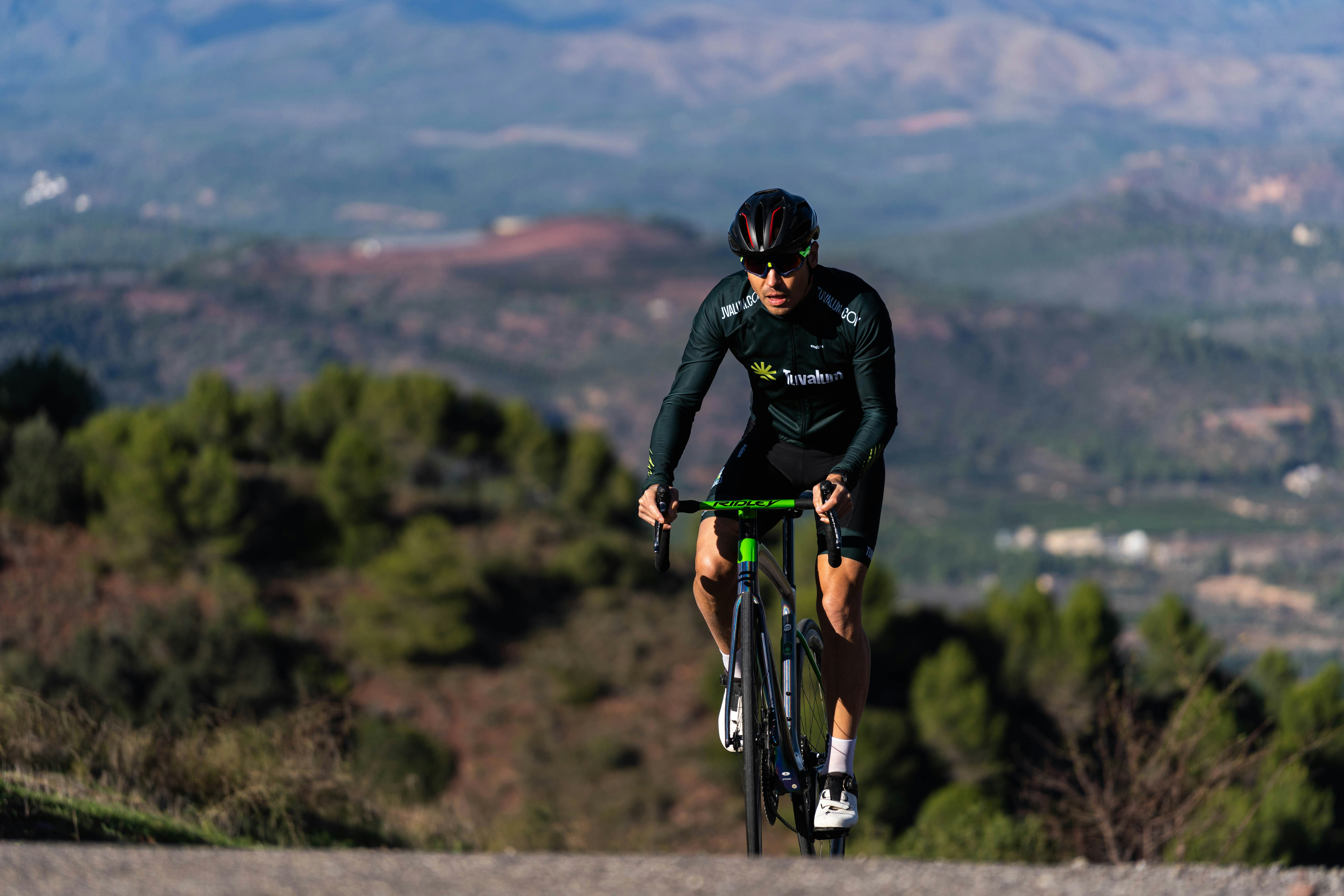
The Race Plan Module turns your training history, race details, and recent form into one pacing plan you can follow on race day.
Pacing is not a guess you make at the start line. In N+One, it is the output of your training history, target race, and recent form, shaped into one plan you can act on. This article stays narrow where evidence is narrow. The only grounding source provided is a PubMed search pointer, so product behavior is described directly while physiology claims are kept broad and tied to indexed evidence needs. In N+One terms: pacing is an output of the training system around your threshold, fatigue, and race demands.

Photo by Raja Sen on Unsplash.
The module starts with what you have already done, not with a generic race template. It reads your training history, chosen target race, and recent form to build a current view of what looks raceable.
Your threshold or FTP estimate matters because it anchors the power ranges the plan can propose. Recent load, workout follow-through, and recovery context help the app avoid a plan that only works on paper.
Course details also shape the output, especially when climbs, long steady sections, or repeated surges change how effort should be spread. If you want more background on this planning layer, see how N+One builds weekly rides.
Some inputs are known, and some are only estimates. Weather, pack flow, mechanical issues, and race-day legs can change the plan, so the module marks uncertainty rather than hiding it.
Confirm your current threshold or FTP source before locking the plan.
Add the target race, distance, and course profile as fully as you can.
Check recent form inputs before race week begins.
Treat unknown race-day conditions as a reason to choose the safer band.
These checks keep the pacing plan tied to your real training history and recent form.
In N+One terms: the module translates your latest training state into a realistic raceable power plan.

Photo by chris robert on Unsplash.
The output is not meant to be a fragile single number. A useful race plan gives you a target band, effort distribution, and cues for when to hold back or press.
The module turns your modeled capacity into target pace or target power, then maps that effort across the race. That keeps the plan linked to the course rather than fixed to one flat-road idea.
On steadier ground, the plan may keep you closer to your sustainable effort. On harder parts of the course, it may allow short rises in effort only when the later recovery window is clear.
For a deeper look at power-based execution, pair this plan with race execution with power and time trial pacing choices.
Use the target band, not one exact number, as your main guide.
Know which course sections call for patience before race day.
Flag any segment where the plan expects a controlled rise in effort.
Match planned effort with how the course is likely to unfold.
The module ingests your training history, target race (distance, course), and recent form to produce a pacing strategy and editable splits.
Data analysis is free, forever. The Dynamic Coach is Pro. Connected to Garmin, Strava, Whoop, and intervals.icu.
Your next move is simple: keep the key effort pattern, cut the noise, and protect freshness. The module’s value is that it narrows the final choices when you could overthink them.
In the final lead-in, use the Race Plan Module to check whether training still serves the target race. Sessions that sharpen race rhythm stay, while extra work that does not support the plan should go.
A dress rehearsal is the cleanest test. Ride a segment that resembles a key race demand, use the target band, and note whether effort, breathing, and control match the plan.
If your season is built around a peak, this fits with adaptive periodization for your A-race and building from a tagged race.
Keep race-specific intensity, but remove non-essential volume.
Run one dress rehearsal on terrain that feels like the race.
Use the module’s target band during that rehearsal.
Lock the plan only after the rehearsal feedback makes sense.
This turns the plan from a forecast into a race-day decision you have already practiced.
In N+One terms: protect intensity, trim volume, and validate the plan with one targeted rehearsal.
One tactical email with training ideas and product updates. No spam — unsubscribe anytime.
Keep reading
- N+One Workout Compliance Score: What It Measures and Why It Is Not the Whole Story — Learn what the N+One Workout Compliance Score measures, what it misses, and how to use it with recovery context to make one clear training adjustment.
- N+One vs Free Cycling Apps: What an AI Coach Adds Beyond a Workout Library — Compare N+One with free cycling apps and learn what an AI coach adds beyond a static workout library: personalization, adaptation, and one clear next...
- Stage Race Periodization: Building for Multi-Day Effort Tolerance — Build stage-race tolerance with progressive repeat-effort blocks, preserved intensity, planned recovery, and a short taper before race week.
Race day is not the time to redesign the strategy. Start within the plan, keep your effort calm, and let the first phase confirm whether the model matches your legs.
If power or pace and perceived effort line up, stay with the plan. If they split early and the effort feels too costly, shift to the safer side of the target band.
The module’s contingency prompts matter most when the course stops matching the forecast. Wind, traffic, group dynamics, and mechanical delays can all change how the same target feels.
Your job is to execute, not to chase every surge. Use N+One coach memory across months to understand why stored context can help the app read your race prep more clearly.
Start on the safer side of the target band.
Check effort against the plan before reacting to other riders.
Move to the conservative band if effort feels too costly early.
Use contingency prompts when course conditions shift.
A pacing plan narrows uncertainty, but it cannot remove uncertainty. The module can use your training history, target race, and recent form, yet it cannot know every race-day event.
Physiology claims should be read with care when no specific indexed study is supplied. The provided source points to PubMed, which is the right place to check claims about human performance and pacing.
The practical takeaway is not that the model is perfect. It is that a single, reviewed pacing strategy beats last-minute guesswork when you have trained toward one A-race.
If you want a broader view of the system behind the plan, see how the N+One coach works and tomorrow’s workout engine.
Treat the plan as guidance, not a guarantee.
Do not over-read physiology claims without indexed sources.
Use rehearsal rides to test your own response.
Update the plan when key inputs change.
In N+One terms: the plan narrows uncertainty but does not eliminate it, so you still test and adjust.
Before race week, confirm your current threshold source or accept the app’s modeled value if it matches recent training. Then schedule one dress rehearsal using the module’s target band on terrain that resembles the race.
At the start of race week, remove non-essential volume while keeping the core race-specific effort pattern. Do not add new maximal efforts that were not part of the plan.
A few days before the race, ride short and controlled efforts near race rhythm, then keep the rest of the ride easy. Confirm equipment, course notes, and the race-day checklist.
On race day, start on the conservative side of the app’s target band. If effort and output match, hold the plan; if the effort feels too costly early, shift down and follow the contingency prompts.
The Race Plan Module turns training history, target race details, and recent form into one pacing plan. Confirm the inputs, rehearse the target band once, then use the plan as your race-day guide.
Use it as your main pacing guide, but do not treat it as a guarantee. If race-day effort feels clearly mismatched early, move to the safer side of the target band.
Update it before you lock the plan, or use the app’s modeled estimate if it matches recent workouts. A stale threshold can make the target band less useful.
It can give contingency guidance, but it cannot predict every acute event. When the race changes, use the contingency prompts and your perceived effort together.
Stop making large changes once the target effort has been rehearsed and still fits your recent form. Small updates are useful only when key inputs change.