Behind the N+One AI Cycling Coach: How the Engine Generates Tomorrow’s Workout
5 min read

See how N+One turns recent training, recovery markers, and goals into one clear next workout using inputs, modeling, constraints, and safety checks.
On this page
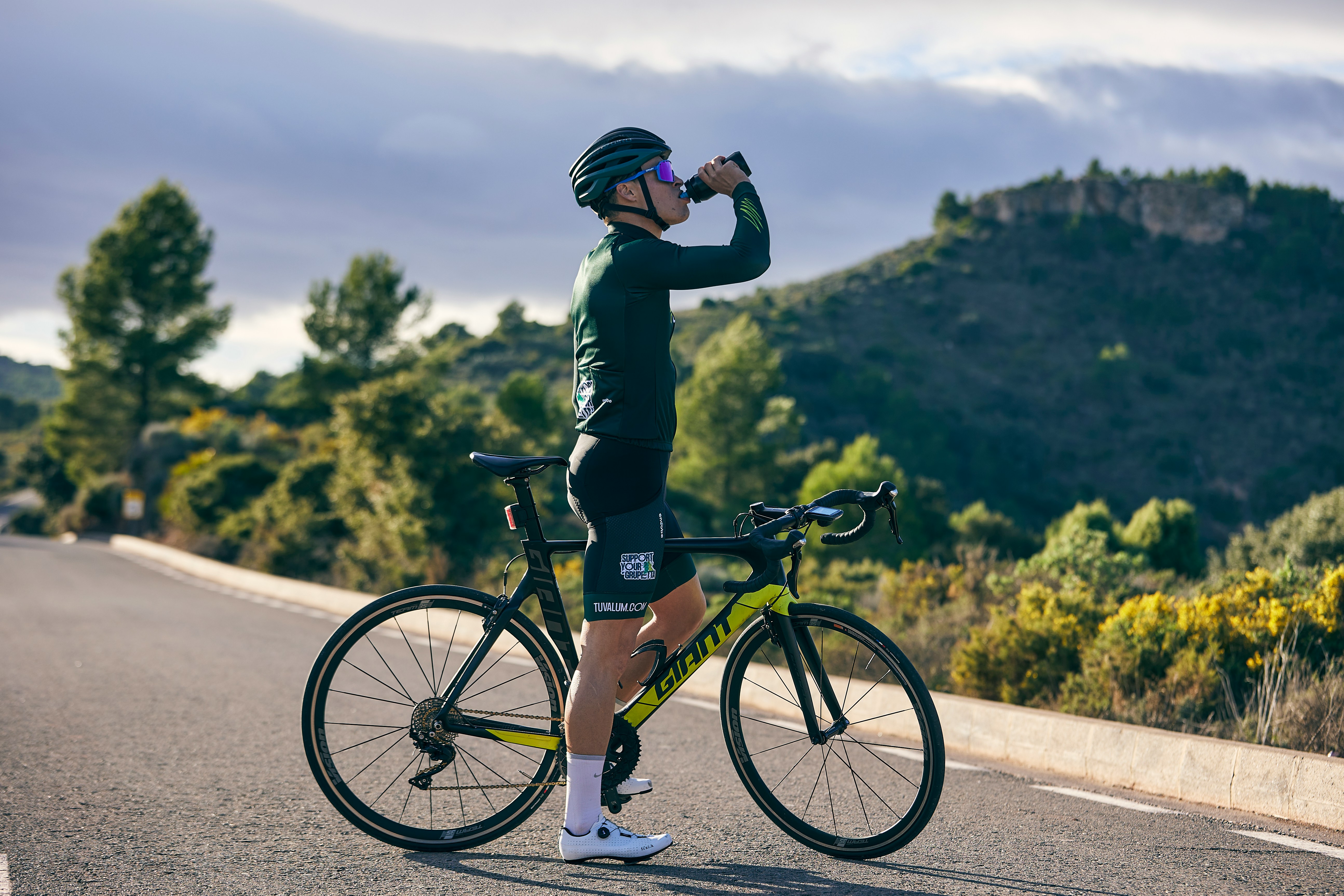
N+One turns recent training, recovery markers, and goals into one clear next session. The engine reads your current context, then gives tomorrow’s workout.
Training is an adaptive system, not a fixed calendar. N+One estimates your current state from recent load, recovery signals, goals, and time, then picks one prioritized workout instead of a broad menu.
This article gives an operational look at how N+One turns raw training context into tomorrow’s ride. It does not claim a lab-grade diagnosis or a medical read on your health.
The engine has four practical stages: data ingestion, individualized modeling, constraint-aware optimization, and rule-based safety checks. For a wider view of the product system, see how the N+One coach works.
The aim is simple: reduce second-guessing while keeping the training choice tied to your current state. If you want day-to-day guidance without second-guessing, let N+One translate your latest training and recovery context into one clear next decision.
Use it when you want one clear next workout.
Treat the output as coaching, not medical advice.
Keep inputs current so the engine sees context.
Report soreness, sleep, and readiness honestly.
Clean inputs make tomorrow’s single workout choice more useful.
In N+One terms: this is the decision engine that turns your recent training and recovery signals into one clear next move.
Photo by Diana Rafira on Unsplash.
The first stage is data ingestion. N+One reads recent ride files, reported recovery, your goal, and the time you can train next.
Objective files help show what you did, while self-reports add what the file cannot know. That mix matters because a workout choice must fit the rider, not just the chart.
The same logic carries into planning across the week. If you want the broader planning layer, see how weekly rides become daily work.
Sync recent rides before asking for the next workout.
Add a current readiness score.
Note sleep, soreness, and time available.
Flag constraints such as travel or heat.
Keep goal priority current.
In N+One terms: inputs map the system’s current state so the engine can pick the single most useful next stimulus.
The engine has four practical stages: data ingestion, individualized modeling, constraint-aware optimization, and rule-based safety checks.
Data analysis is free, forever. The Dynamic Coach is Pro. Connected to Garmin, Strava, Whoop, and intervals.icu.
The second stage updates an individualized model of your current training context. It weighs recent work, your stated goal, and signs that the next session should be narrowed.
N+One does not need to offer ten choices to be useful. The engine ranks options, applies constraints, and returns one session with a clear focus.
That differs from a static workout library, where you choose the session and hope it fits. For that contrast, read what an AI coach adds.
Safety checks come before goal work.
Recovery status shapes the workout size.
Goal fit shapes the workout type.
Progression only moves when context supports it.
The engine narrows choices so you can act without guessing.
Photo by Rob Wingate on Unsplash.
Once the engine gives tomorrow’s workout, your job is to protect the main signal. Do the prescribed focus unless a recovery or safety flag changes the plan.
If recovery is flagged but the session still includes intensity, keep the target and trim the surrounding work. Your threshold did not disappear; your recovery inputs shifted, so the output dropped.
This is where day-to-day context matters more than pride. For a related view, see how coaching adapts in real time.
Accept the single-session prescription.
If flagged, keep intensity and cut volume.
Place easy days around hard work.
Reassess with the next engine output.
In N+One terms: keep the intended stimulus, adjust the surrounding inputs to protect recovery.
One tactical email with training ideas and product updates. No spam — unsubscribe anytime.
Keep reading
- AI Cycling Coach Benefits — Why N+One Is Essential for Smarter, Sustainable Gains — Discover AI cycling coach benefits with N+One: personalized, adaptive, data-driven training and recovery optimization that helps cyclists train smart...
- Why N+One Is the Best Free AI Cycling Coach Alternative — Discover how N+One delivers a free AI cycling coach experience: personalized training plans, real-time adaptation (CTL + ATL = TSB), and practical se...
- Best AI Cycling Coach: From Raw Data to Race Wins — Turn years of Strava, Garmin, and Wahoo logs into race-ready progress. How the Dynamic Coach on connected wearables standardizes messy data, models TSB/CTL/ATL, and...
No coach engine can fully infer what you do not report. Illness, major stress, new medication, and unusual symptoms need human judgment.
If your inputs are noisy or missing, N+One should fall back toward a cautious choice. It may also ask for a short calibration session before it raises demand.
Use clinician input when symptoms are unusual, persistent, or outside training. For normal training fatigue, practical recovery habits can help you keep the next choice grounded.
Report illness or unusual symptoms.
Do not hide major life stress.
Pause intensity when symptoms feel abnormal.
Seek clinical advice when health concerns persist.
The loop is short by design. N+One reads inputs, updates context, checks limits, and then gives one workout for the next training decision.
That loop also gives the coach memory. Over time, repeated inputs help the system learn which constraints often shape your training week.
The key is not perfect data. The key is clean, recent data that lets the engine avoid stale assumptions.
Day 0 — Accept the engine’s single-session prescription. Note whether it flags recovery or safety concerns before you plan the rest of the week.
Days 1–7 — If recovery is flagged, keep the prescribed intensity but reduce session volume by 20% for seven days. If no recovery flag appears, do the workout as prescribed and keep adjacent days easy.
Day 8 — Review the new output and your subjective response. If performance or symptoms have not improved, pause intense work and seek clinical advice.
Accept the engine’s single-session prescription. If recovery is flagged, keep the intended intensity, cut volume by 20% for seven days, then reassess with the next output.
They are coaching estimates built from reported and measured signals. They can miss non-training stress, illness, or symptoms you do not report.
No. The system first protects the key training signal when it is safe to do so, often by reducing volume before changing the workout focus.
Your goals, time, and preferences shape the recommendation. Core safety checks still take priority over preference-based changes.
The engine should use a more conservative default and may ask for a short calibration session. Clean recent inputs make the next workout more precise.