Pinning Long-Term Goals in N+One Coach Chat: Keeping Context Across Weeks
5 min read

Learn how to pin long-term goals in N+One Coach Chat with a clear target, timeline, success metric, constraint, and weekly roll-forward check.
On this page

Photo by Krzysztof Kowalik on Unsplash.
Pin long-term goals in coach chat as one clear source of truth, then roll them forward each week so context stays intact.
N+One Coach Chat works best when your long-term aim does not get buried under daily notes. A pinned goal gives the coach a stable reference point while weekly training, recovery, work, and travel keep changing.
A pinned goal is the north star for your plan, not another note in the chat stream. It keeps the multi-week target visible when short-term noise pulls attention toward today’s ride.
Without a pin, each check-in can drift toward the loudest recent fact, such as missed sleep or a hard group ride. With a pin, the coach can weigh those facts against the same target each week.
This matters most when the best choice is a tradeoff, not a full plan rewrite. If you want broader context on what chat can and cannot retain, start with how coach chat handles privacy.
Keep one pinned goal for each long-term objective
State the target, date, success metric, and main constraint
Use the same wording when you check alignment
Do not turn the pin into a full training diary
A clear pin keeps weekly choices tied to the same long-term promise.
Pinning locks your north star into the conversation so the micro plan keeps moving toward the macro goal.
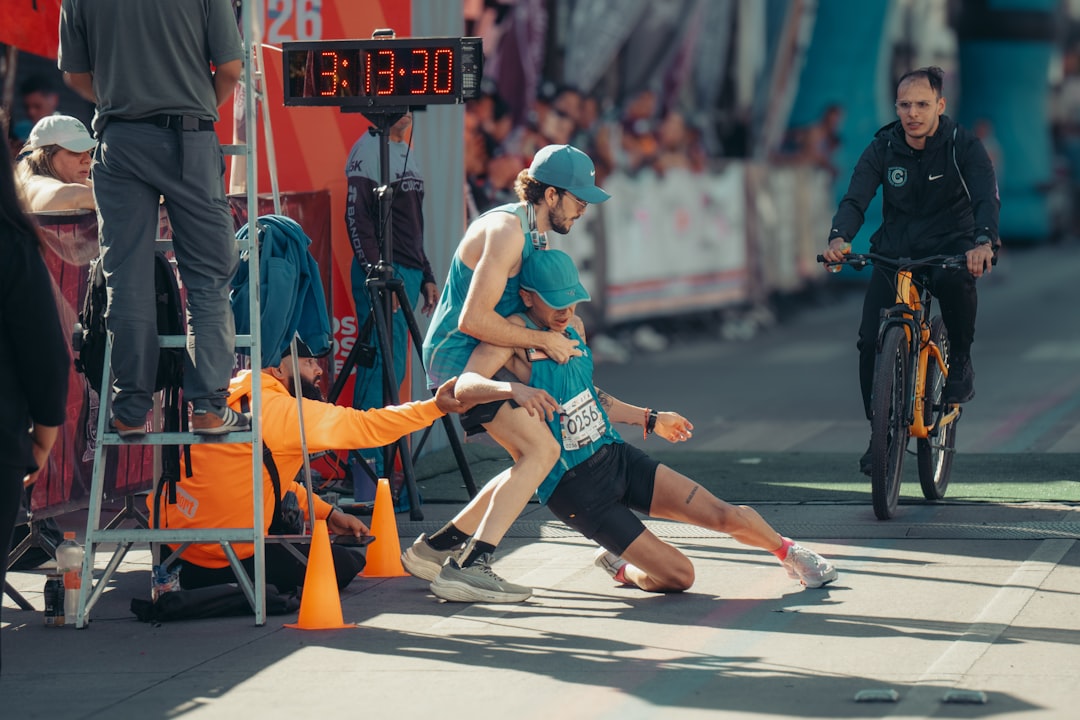
Photo by RETRATO DEPORTIVO on Unsplash.
Create a pinned goal when you start a new phase, book a target event, or change the event itself. Update it when your time, deadline, or main limit changes enough to alter the plan.
You do not need a new pin after every hard day. Use the pin for structural changes, then use normal chat for daily notes and quick checks.
When progress slows, keep the decision narrow. If the plan feels off, compare the pin with the weekly plan-building logic before you change the whole target.
Pin at the start of base, build, or peak work
Re-pin after booking or moving a target event
Re-pin after a notable break in structured training
Re-pin when weekly time limits change
Re-pin when the training system’s constraints or target horizon shifts.
Treat a pinned goal as the single source of truth for multi-week objectives.

Photo by CHUTTERSNAP on Unsplash.
Data analysis is free, forever. The Dynamic Coach is Pro. Connected to Garmin, Strava, Whoop, and intervals.icu.
Keep the pinned text short, specific, and easy for the coach to act on. A good pin has the outcome, the date, one success metric, and one hard constraint.
The success metric should be the thing you want the plan to protect. It might be a race result, a test target, a steady weekly habit, or a named training focus.
The constraint tells the coach where not to spend too much cost. For better answers, pair the pin with prompts that get useful coaching instead of asking broad questions.
Outcome: name the event, test, or training focus
Deadline: use a date or race week
Success metric: define what better means
Constraint: name the main limit
Ask the coach to pin the goal
The pin works because it turns a broad aim into one usable coaching object.
Short and specific means coach chat can keep the long view while you handle daily details.
Use one compact paragraph, then ask the coach to pin it. The aim is not perfect wording; the aim is a stable object the coach can use next week.
Template: “Goal: [event or outcome]. Target date: [date]. Success metric: [one measure]. Constraint: [weekly cap, recovery limit, or must-keep session]. Pin this goal.”
Add one optional line only when it truly changes the plan. For example, a must-keep strength day matters, while a normal preference can stay in regular chat.
Paste the goal as one short paragraph
Use brackets until the details are set
Add one must-keep session only if needed
End with: Pin this goal
A copy-paste template makes pinning repeatable and machine-readable.
One tactical email with training ideas and product updates. No spam — unsubscribe anytime.
Keep reading
- When the AI Coach Suggests a Rest Day: How to Interpret It and When to Push Back — Learn how to interpret an AI coach rest-day suggestion, when to accept it, when to modify it, and when to push back without derailing recovery.
- N+One Coach Memory: How the App Carries Context Across Months Without Drowning You in Data — How N+One Coach memory keeps useful training context across months, filters noise, and helps you make one clear next ride decision.
- AI Coach: how to use chat — Practical guide to using N+One’s AI Coach chat: what to ask, how your data is used, tips for better prompts, and connectivity requirements.
Each week, the coach should check the plan against the pinned target before setting the next workload. The pin gives weekly choices a rulebook when fatigue, time, or schedule pressure changes.
Ask one alignment question at the start of planning: “Does this week’s plan keep us on track for the pinned goal?” If the answer is no, ask for one change, not five options.
This is also where reasoning matters. Use why-this-session notes to see whether the workout serves the pinned goal or just fills the calendar.
Ask the alignment question once each planning week
Request one clear change if the plan conflicts
Keep the pin stable unless the target changes
Check that key workouts match the stated metric
Weekly alignment turns the pinned goal into one clear next decision.
The pin is the training system’s rulebook for weekly decisions.
If the coach seems to ignore the pin, do not rewind the whole plan. Repost the pinned template and say, “Pin this goal — prioritize it.”
If life forces a break, update the pin with the new limit and ask for one tradeoff. The cleanest choice is usually to adjust volume, intensity, or timeline, not all three.
If you disagree with the suggested change, push back with the pin in view. The guide to giving feedback on tomorrow’s workout can help you keep the thread clear.
If the pin is ignored, repost it and ask to prioritize it
If time drops, update the weekly cap
If the event moves, update the deadline
If progress stalls, change one parameter only
Small, decisive edits to the pin prevent whole-plan regressions.
At the start of each planning week, paste the pinned goal once and ask: “Does this week’s plan keep us on track for the pinned goal? If not, give one change.”
When life interrupts, update the pin with the new availability and one revised constraint. Ask the coach for a single tradeoff.
After a race or test, note the outcome against the pinned success metric. Keep or update the pin only if the goal, deadline, or constraint changed.
Pin long-term goals in N+One Coach Chat as one clear source of truth: target, date, success metric, and constraint. Then use a weekly roll-forward question so the coach keeps context across weeks without turning each check-in into a fresh start.
No. Pin only the long-term goal and the few constraints that shape the plan. Keep normal preferences, daily notes, and small schedule changes in regular chat.
Use one pinned goal per long-term objective, and name the priority if two goals compete. When in doubt, ask the coach which pin should drive this week.
Update it when the target, date, success metric, or main constraint changes. Do not update the pin just because one workout felt hard.
Paste the pin and ask for one change that protects the goal. Keep the request narrow so the next decision is clear.