Disagreeing With the Coach in N+One: How Your Feedback Changes Tomorrow's Workout
5 min read

Learn how to disagree with an N+One workout, report the right signals, and turn feedback into one clear change for tomorrow’s cycling plan.
On this page

Photo by Mario Beducci on Unsplash.
If a prescribed session feels off, tell the coach why and ask for one clear change. N+One treats that feedback as input for tomorrow’s plan.
Disagreeing with a workout does not mean the plan failed. It means the training system needs a cleaner signal about how today’s plan fits your current state.
Your feedback is data for the training system. When you disagree, you are telling the coach that the planned session may not match your current readiness.
That signal can include high RPE, unusual fatigue, pain, poor sleep, or a work shift that changes the day. N+One uses that context to shape the next choice, much like how each ride updates tomorrow’s workout.
The key is to make the disagreement clear enough to act on. A vague “this feels wrong” helps less than “RPE was high, legs feel flat, please cut tomorrow’s volume.”
Name the issue in one sentence.
Say how the session felt, not just whether you liked it.
Ask for one next change.
Keep the tone factual and short.
Clear feedback turns a bad-fit workout into a useful next decision.
Your disagreement is a recovery input, not a judgment on the plan.

Photo by Markus Spiske on Unsplash.
A coach does not need a long essay to change tomorrow’s workout. They need a clear signal that shows what changed since the plan was set.
Common moves are simple: lower training volume, shift intensity, swap the session type, or add recovery. The right move depends on the report and the recent workload the coach can see.
If you want more context on the note behind a prescription, use the why-this-session notes before you push back. That helps you tell the difference between a hard workout and a poor fit.
Mild fatigue: keep targets, trim total work.
Illness symptoms: skip intensity and choose rest or easy riding.
Acute pain: stop the session and seek qualified evaluation.
Schedule stress: move the key session, not the stress.
Poor sleep: ask for a lighter next day.
The goal is not to avoid work, but to fit the work to today’s inputs.
The coach re-weights recent stressors and shifts tomorrow’s stimulus to match current capacity.
State one clear reason when you disagree: perceived exertion (RPE), unusual fatigue, pain, or schedule conflict.
Data analysis is free, forever. The Dynamic Coach is Pro. Connected to Garmin, Strava, Whoop, and intervals.icu.
Use concise, objective language. The best message gives one reason, one supporting signal, and one requested change.
For example, write: “Felt much harder than planned, RPE was high, legs heavy, please cut tomorrow’s duration.” That gives the coach enough to make one clean call.
If you are unsure what to ask, frame the message like a prompt. Better coach questions tend to name the issue, state the constraint, and ask for the next action.
Reason: what felt off today.
Signal: RPE, sleep, soreness, pain, or resting heart rate.
Request: cut volume, lower intensity, or swap to recovery.
Time frame: tomorrow, two days, or this week.
One tactical email with training ideas and product updates. No spam — unsubscribe anytime.
Keep reading
- How N+One Builds Your Weekly Cycling Plan: From Goals to Daily Workouts — See how N+One turns your cycling goal, recent training, and recovery signals into one weekly focus, daily workouts, and adaptive plan changes.
- Comparing Two Workouts Side‑by‑Side in N+One: A Cyclist Walkthrough — Step through a focused side-by-side comparison of two rides in N+One, compare the same metrics, check context, and choose one clear next move.
- How N+One’s AI Cycling Coach Works — A Deep Dive — Discover how N+One’s AI cycling coach delivers personalized training plans and adaptive coaching. Learn how real-time data (power, HRV, sleep), CTL/A...
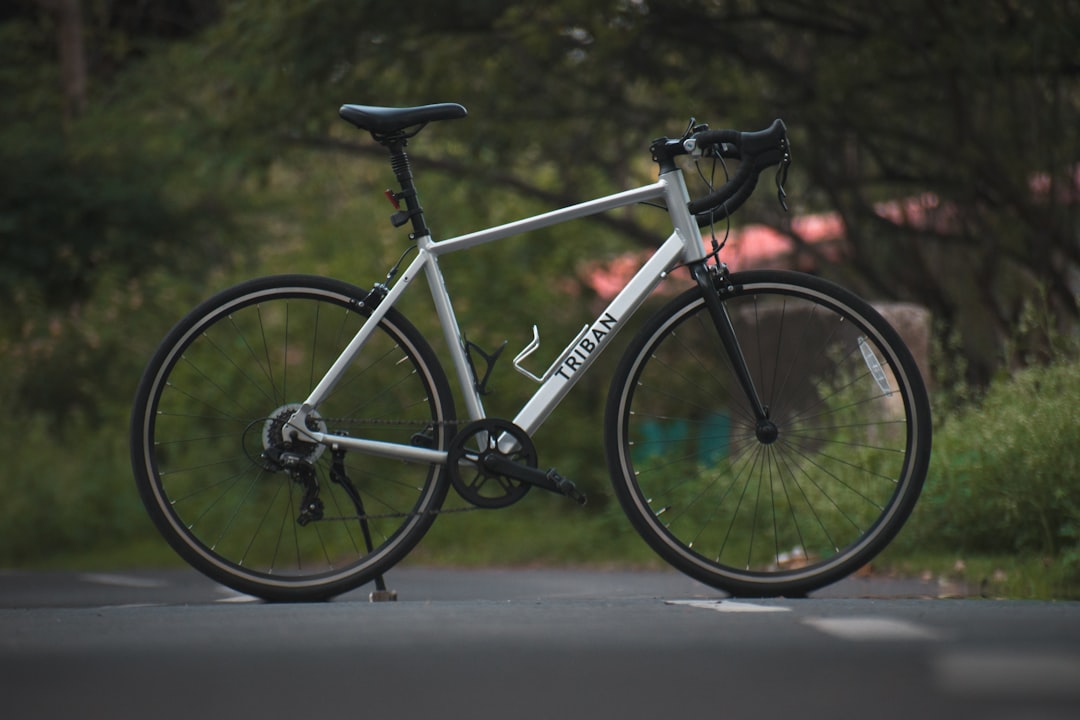
Photo by Atharva Whaval on Unsplash.
Expect the next change to be plain and conservative. Good coaching does not turn every concern into a full plan rebuild.
The coach may shorten the work while keeping the main target, especially when the issue is mild fatigue. That keeps the training aim in place while lowering the cost of the day.
If the concern is a missed or broken session, the same logic applies across the week. N+One can re-plan around the gap, as shown in how missed rides reshape the week.
Cut volume by shortening intervals or ride time.
Keep quality by reducing repeats first.
Swap threshold work for easy endurance when needed.
Move a key session if life stress is the limit.
Poor sleep with no other issue often calls for a lighter day, not panic. The coach may keep some structure while trimming the total load.
Cold symptoms, sharp pain, or a fast-worsening feeling should be handled more carefully. If symptoms suggest illness or injury, keep the report narrow and seek qualified care when needed.
Motivation is also a useful signal when you state it clearly. It helps the coach decide whether the block needs recovery, a simpler ride, or a clearer reason for the work.
For deeper review, compare the planned session with what you actually did. A single-workout breakdown can help you spot whether pacing, fatigue, or execution drove the mismatch.
Poor sleep: ask for less total work tomorrow.
Cold symptoms: request easy riding or rest.
Low drive: ask whether recovery or clarity is needed.
Acute pain: stop and seek qualified evaluation.
Schedule conflict: ask to move the key session.
Specific reports help N+One turn concern into one next step.
Report the limiting input and request the single next decision you want the coach to make.
Immediate, same day: Send one concise message with a single-line reason, one objective metric if you have it, and one requested change. Expect the reply to favor the safest useful next step.
Next 24–48 hours: Follow the adjusted session exactly. Track perceived exertion, sleep, resting heart rate, or HRV if you already use those signals.
Day 3–7: If the recovery trend improves, return to the planned progression. If it does not, ask for a short re-check and a lower-load week.
After day 7: Review whether the original issue was a one-day mismatch or a recurring pattern. If it repeats, ask N+One to adjust the week structure, not just tomorrow.
When a prescribed session feels off, tell the coach why, give one useful signal, and ask for one clear change. N+One treats that feedback as input for tomorrow’s plan, so the next workout can fit the rider you are today.
No. A clear disagreement is useful feedback. The coach can only adjust tomorrow’s plan well when you report what changed.
Use plain signals instead. RPE, sleep length, soreness, pain, stress, and schedule limits are still useful when you state them clearly.
If you need one default move, ask to keep target intensity and cut planned volume for the next session. Use a stronger change if pain, illness symptoms, or safety concerns are present.
Yes, but give a reason. If you feel ready, explain the signal and ask whether an easy endurance ride fits better than full rest. You can also review when to push back on rest.