Travel Recovery and Readiness Scoring: Jet Lag, Hydration, and Time-of-Day Effects
5 min read

Travel can lower readiness through circadian shift, sleep disruption, hydration changes, and time-of-day effects. Use a simple score to guide training.
On this page
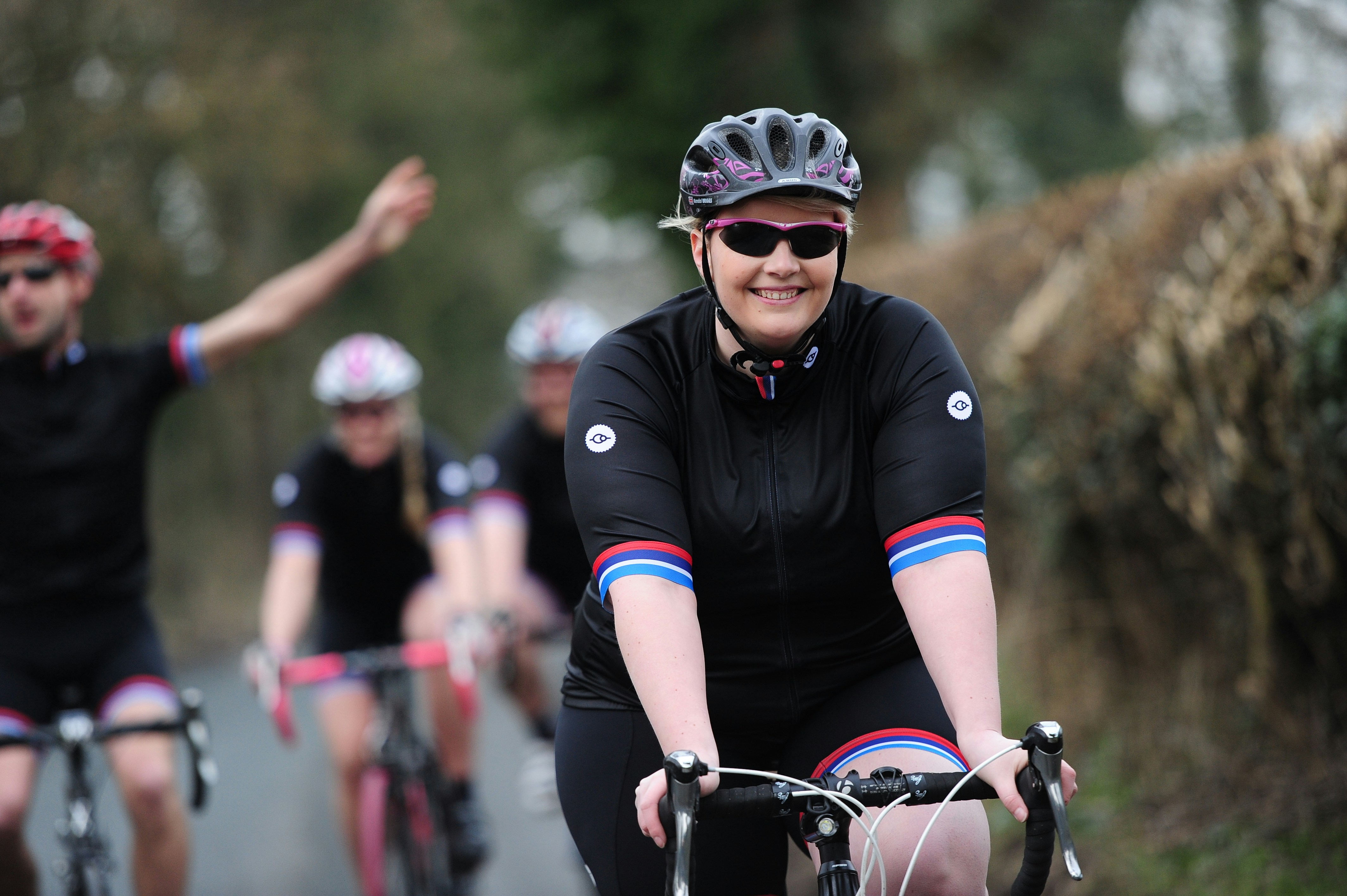
Travel disrupts circadian phase and sleep, lowering readiness. Use light, sleep timing, hydration, and your score to guide intensity.
A travel day changes the inputs your body uses to train well. Sleep timing, circadian rhythm, fluid habits, and subjective fatigue can all shift before your legs feel clearly flat.
Travel does not make your fitness vanish. It changes the state of the system that has to express that fitness on the bike.
Readiness is best read as a short-term signal, not a verdict on form. Sleep, resting heart rate, heart-rate variability, and how you feel can all move after travel.
If your score drops after an easy spin, compare the signal with recent travel, sleep, and life load. The same logic helps when your readiness score tanks despite low training stress.
In N+One terms: your training system’s inputs shifted, so do not assume the same output.
Check sleep timing before you judge fitness.
Compare today with your own baseline, not a generic norm.
Log subjective fatigue beside wearable data.
Treat travel as load until signs settle.
This keeps the next session tied to readiness, not guesswork.
Your threshold did not disappear; your recovery inputs shifted, so the day’s output may drop.
Photo by Diana Rafira on Unsplash.
Jet lag is a mismatch between your internal clock and the clock on the wall. That mismatch can disturb sleep timing and raise perceived fatigue.
Light is the main cue your body uses to shift its clock. Use it on purpose, rather than drifting between bright rooms and dark transit lounges.
Eastward and westward trips can feel different, but the practical move is the same. Anchor sleep and bright light to the local schedule you need for training or racing.
When your score and your felt state disagree, do not pick one side too fast. Use common readiness score mismatches to check whether sleep timing, stress, or travel context explains the gap.
Set your target sleep and wake time on arrival.
Seek bright light when it supports the new schedule.
Keep late bright light low when it pushes sleep later.
Do not force maximal work while sleep is still scattered.
Resync the clock first, then decide whether intensity belongs today.
Your clock is off, so resync light and sleep timing before you ask for hard work.
Jet lag is primarily a circadian misalignment problem; timed light and sleep are the strongest non-drug tools shown in PubMed-indexed stu…
Data analysis is free, forever. The Dynamic Coach is Pro. Connected to Garmin, Strava, Whoop, and intervals.icu.
Travel can shift fluid intake because your normal cues change. You may drink less, eat at odd times, or skip your usual post-ride habits.
Hydration is a changeable input, which makes it useful in a readiness plan. The goal is steady intake, not chasing a large deficit at once.
Use plain signs before you make the day complex. Thirst, darker urine than usual, dry mouth, and a clear bodyweight drop from your own norm are worth noting.
If life stress and travel stack together, keep the reading broad. Work, family, and life stress can pull the same recovery levers as training load.
Drink steadily through travel, not only at the end.
Pair fluids with normal meals when possible.
Use electrolytes when meals are missed or sweat loss is high.
Recheck bodyweight against your own usual range.
One tactical email with training ideas and product updates. No spam — unsubscribe anytime.
Keep reading
- Indoor Trainer Days and Readiness: Why Your Score Differs From Outdoor Rides — Indoor trainer days can shift readiness scores without a true fitness loss. Learn why signals differ and use a 7-day adjustment plan.
- Resting Heart Rate Trends for Cyclists: What a Three-Day Rise Really Means — A three-day RHR rise usually signals a short-term recovery shift, not automatic overtraining. Learn how cyclists should check context, trim volume, a...
- Adaptive Plan Recovery: What Happens When You Miss Three Days in a Row — Missed three training days? Learn why it is usually a short-term load shift, how to check readiness, and how to restart your cycling plan without ove...
Performance can vary across the day because alertness, sleep pressure, and body rhythm are not flat. After travel, that swing may feel larger.
Do not test fitness at a strange body time and treat the result as final. A flat session may show timing mismatch more than lost form.
When a race or test has a set clock time, add one controlled tune-up near that time. Keep it short enough that it teaches pacing without adding deep fatigue.
Before hard intervals, run a simple go-or-adjust check. An interval readiness checklist can help you decide whether to proceed, trim, or postpone.
Avoid all-out testing soon after arrival.
Place one short tune-up near the target clock time.
Keep the rest of the day easy.
Judge power with sleep timing in mind.
This protects the key work while your body clock catches up.
Time of day matters, so train the clock you will race on once the inputs settle.
A travel readiness score should turn mixed signals into one decision. The decision is simple: train as planned, cut the load, or keep it very easy.
Use the same inputs each morning so the trend means something. Sleep duration, sleep quality, resting heart rate, heart-rate variability, bodyweight change, and mood all help frame the day.
Do not treat the score as a medical tool or a moral grade. It is a training filter that helps you match stress to the recovery state in front of you.
If you need the full setup, start with recalibrating your score after travel. For the wider model, see optimizing your next session with readiness data.
Green trend: keep the planned session.
Yellow trend: keep intent but cut volume.
Red trend: skip intensity and ride easy or rest.
Resume hard work after your own baseline returns.
Arrival day: Set sleep and light exposure around the local schedule you need, drink steadily, log bodyweight, and skip high-intensity training.
Early days: Score readiness each morning. If signals look normal, ride easy; if they are mixed, cut volume; if they are poor, rest or spin lightly.
Middle of the week: If readiness is improving, add one short controlled intensity session near the target race or test time, then keep the rest easy.
Late week: Resume planned training only when sleep, subjective fatigue, and wearable signals are back near your own baseline for two straight mornings.
Travel disrupts circadian phase and sleep, lowering readiness; use light, sleep timing, hydration, and your readiness score to delay hard sessions until your baseline returns.
Not by feel alone. Check sleep timing, resting heart rate, heart-rate variability, hydration signs, and mood first. If the signals are mixed, keep intensity controlled or move it later.
No. Hydration can improve one input, but jet lag is mainly a clock and sleep timing problem. Use fluids steadily while you also manage light and sleep.
Treat that as a mismatch worth checking. Travel stress, poor sleep timing, and missed meals can make the body feel worse than one score suggests.
Resume when your score, sleep, and subjective state are back near your own baseline for two straight mornings. Until then, keep the work short or aerobic.