Illness Flags vs Low Motivation: Teach the Coach to Tell the Difference
5 min read

Learn how to separate early illness flags from low motivation using objective physiology, symptom checks, and one short training decision protocol.
On this page

Separate objective physiology from subjective state first. Then reduce load, monitor symptoms and metrics, and reassess over a short window.
Low drive and early illness can feel similar before a ride, but they ask for different training moves. The useful move is not guessing harder; it is sorting objective signals from subjective state, then making the smallest safe change.
When you feel flat, the first question is not whether you are tough enough. It is whether your system is showing strain, or whether your drive has dipped while physiology stays steady.
This is a signal-detection task, not a character test. Pair one or two objective measures with one clear subjective check, then change the plan only as much as the signal demands.
That same split helps when readiness scores after a break seem low for unclear reasons. It also keeps the coach from treating boredom, travel stress, or the start of sickness as the same problem.
Gather one or two objective metrics before changing the plan.
Ask one direct symptom or motivation question.
Reduce load first when the signal is unclear.
Write down the data point that drove the call.
In N+One terms: protect future fitness by making the smallest effective change now.
Protect future fitness by making the smallest effective change now.
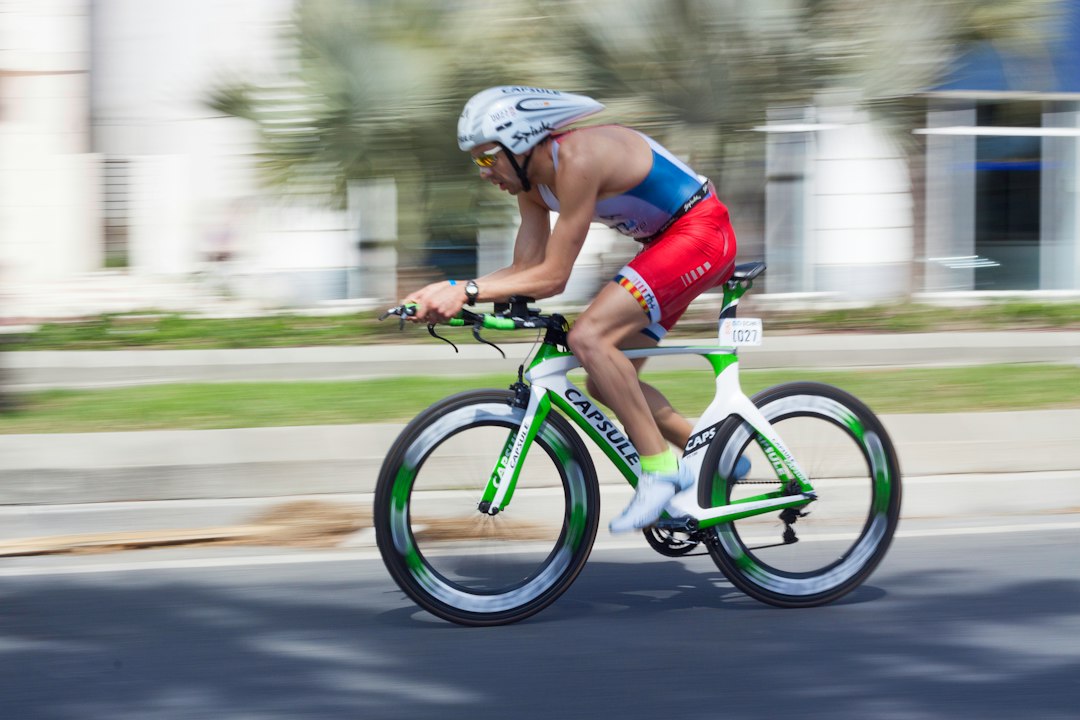
Photo by Quino Al on Unsplash.
An illness flag gets stronger when several signs move together. A higher resting heart rate, lower HRV, poor sleep, and new symptoms matter more together than any one reading alone.
Use your own baseline, not someone else's chart. Wearables are most useful when they show a clear change from your recent norm, especially when that change matches how you feel.
Symptoms should carry weight in the decision. Fever, sore throat, body aches, marked congestion, stomach upset, or a sudden sharp drop in output should shift the day toward rest or low stress.
Check resting heart rate against your recent baseline.
Treat HRV changes as stronger when symptoms are present.
Screen for fever, sore throat, aches, congestion, or stomach upset.
Flag sudden output drops that feel unlike normal fatigue.
In N+One terms: when physiology drifts away from baseline across multiple signals, flag illness.
When physiology drifts away from baseline across multiple signals, flag illness.
Treat the problem as a signal-detection task: objective physiology + recent load changes + symptom history.
Data analysis is free, forever. The Dynamic Coach is Pro. Connected to Garmin, Strava, Whoop, and intervals.icu.
Low motivation usually looks different from illness when you slow down and check the whole picture. Resting heart rate, HRV, sleep, appetite, and easy warmup feel may sit near normal, while the desire to train drops.
That does not make the feeling fake. Mental load, late-season fatigue, shorter daylight, and stale sessions can all blunt drive without clear illness signs.
This is where subjective and objective readiness should be read together. If the body looks steady but the mind resists the session, keep the training aim and shrink the friction.
Look for normal resting heart rate and HRV.
Check that sleep and appetite are mostly steady.
Ask whether boredom or life stress is driving avoidance.
Keep the training aim, but lower the barrier.
Intact physiology plus behavioral signals points to motivation, not sickness.
Run the same check each time the signal is unclear. A fixed routine beats a long debate, because it shows whether the pattern is changing or repeating.
First, compare one objective marker with your recent norm. Second, screen for symptoms that suggest the body may need less strain today.
Third, use a short warmup as a motivation probe if symptoms are absent. If willingness improves once you start moving, the issue is more likely drive than sickness.
For athletes who often see mixed signals, an HRV and feel decision tree can make the check easier to repeat. The goal is not a perfect label; it is a sound next move.
Step 1: compare resting heart rate or HRV with baseline.
Step 2: ask about fever, throat, congestion, stomach, and aches.
Step 3: try an easy warmup only if symptoms are absent.
Stop the test if symptoms rise during the warmup.
One tactical email with training ideas and product updates. No spam — unsubscribe anytime.
Keep reading
- Why Your Readiness Score Tanks the Day After an Easy Ride: Explaining the Disconnect — Why readiness can drop after an easy ride: how HRV, sleep, resting heart rate, timing, and context shape the score, plus one clear 7-day response.
- Why Your Readiness Score Disagrees With How You Feel: Common Sources of Mismatch — Why your readiness score can disagree with how you feel, common causes of mismatch, and a clear 7-day protocol for deciding whether to ride, modify,...
- Sleep Score Weighting in Readiness: Why One Bad Night Does Not Cancel Your Threshold Day — One bad night may lower your sleep score, but it does not automatically cancel threshold work. Learn the clear readiness rule for cyclists.
If objective metrics are off and symptoms are present, pause intensity. Choose rest or a very light day, then reassess before adding stress back.
If physiology is normal but motivation is low, keep the main training target and cut the session down. A shorter version protects the habit while avoiding an all-or-nothing choice.
If the signal is mixed, reduce both load and intensity for the short term. This is the same logic behind a simple interval readiness checklist: proceed, modify, or postpone based on the strongest signal.
When travel, poor sleep, or a late race block clouds the picture, review lifestyle flags in readiness before blaming motivation. The training system around you may have shifted before your drive did.
Symptoms plus off-baseline metrics: rest or keep it very light.
Normal physiology plus low drive: shorten the planned workout.
Mild mixed signal: reduce intensity and load briefly.
Rapidly worsening symptoms: seek medical advice.
In N+One terms: keep intensity where possible, reduce volume when recovery inputs are uncertain.
Keep intensity where possible, reduce volume when recovery inputs are uncertain.
The first decision is a working guess. The next two or three days show whether that guess matched the body’s response.
Log the action you chose, the signal that drove it, and how you felt the next morning. Patterns across short windows help stop the same mistake from being repeated.
If resting heart rate trends keep rising, read them in context instead of reacting to one morning. A guide to multi-day heart rate changes can help you spot a true drift.
When the numbers return to baseline and symptoms fade, build back with care. If symptoms persist or worsen, training is no longer the main problem to solve.
Log resting heart rate, HRV, sleep, and symptoms each morning.
Record one simple willingness score for training.
Review the pattern after two or three days.
Resume build only when symptoms settle and metrics normalize.
Day 0 — Run the pre-ride check: compare resting heart rate or HRV with baseline, screen symptoms, then test willingness with an easy warmup only if symptoms are absent.
Days 1–2 — If you rested or modified training, collect morning heart rate, HRV, sleep, and symptom notes. Keep work easy unless data stays near baseline.
Days 3–4 — If symptoms persist or metrics stay off baseline, extend rest and seek medical guidance when symptoms are systemic or worsening. If metrics normalize, rebuild gently.
Days 5–7 — When symptoms and physiology return to baseline, restart fuller sessions below your previous load, then resume normal progression if there are no setbacks.
Do not ask motivation to explain every bad training day. Separate objective physiology from subjective state, make one small decision, and let the next 48–72 hours confirm or correct the call.
Treat that as a mixed signal. Use a symptom screen and an easy warmup test; if symptoms appear or the warmup feels unusually wrong, reduce load or rest.
Do not let one number make the whole decision. Compare it with resting heart rate, sleep, recent load, and willingness before you change the session.
Yes. Low motivation can reflect mental load or stale training even when illness signs are absent. Keep the goal, but lower the barrier with a shorter session.
Seek medical advice when symptoms are systemic, severe, rapidly worsening, or not settling with rest. Training choices should not replace clinical care.