WHOOP, Oura, and Apple Watch With N+One: Which Recovery Source Wins When They Disagree
5 min read

WHOOP, Oura, and Apple Watch can disagree on recovery. Learn which trends to trust and how N+One turns mixed signals into one training move.
On this page
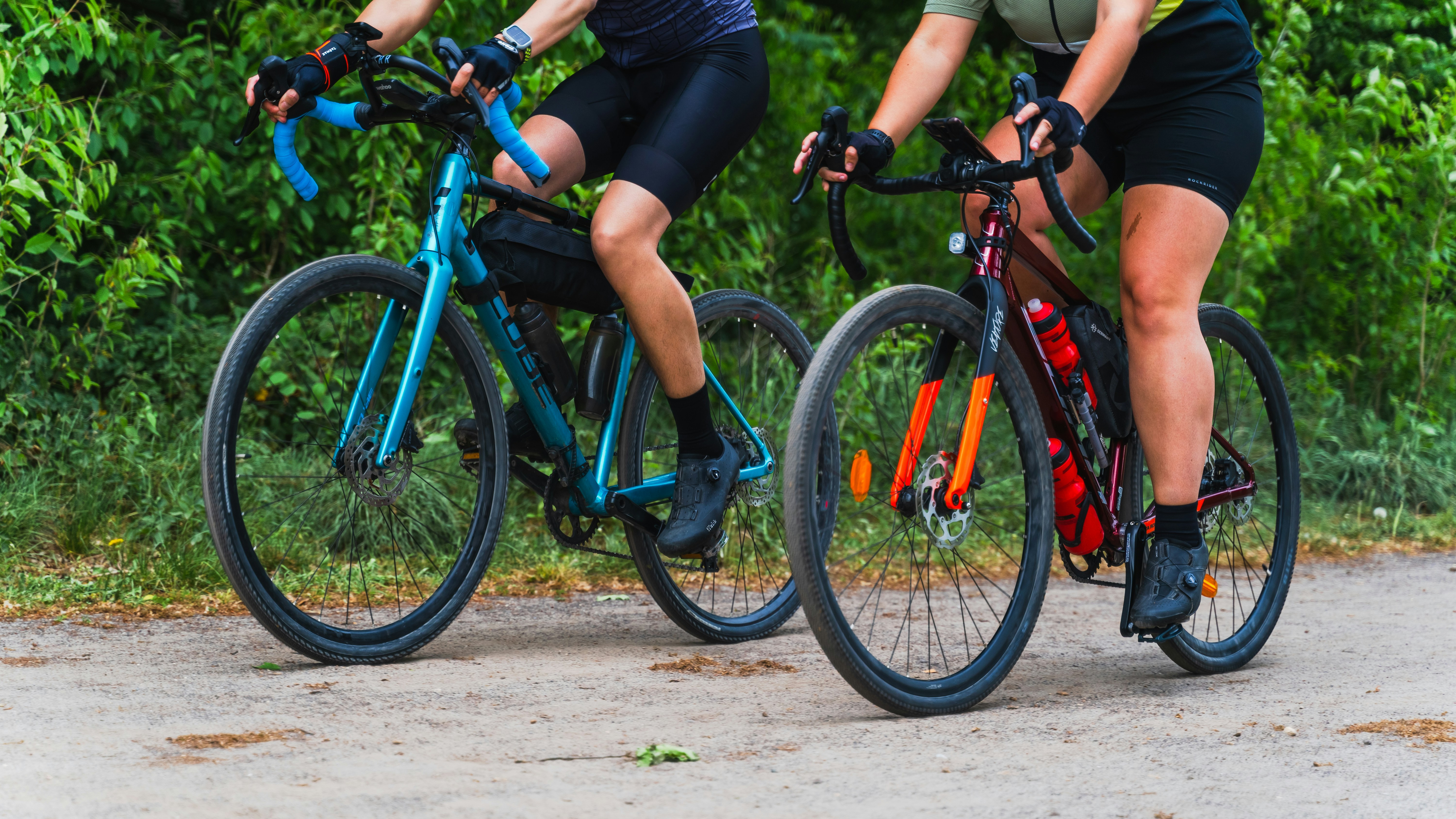
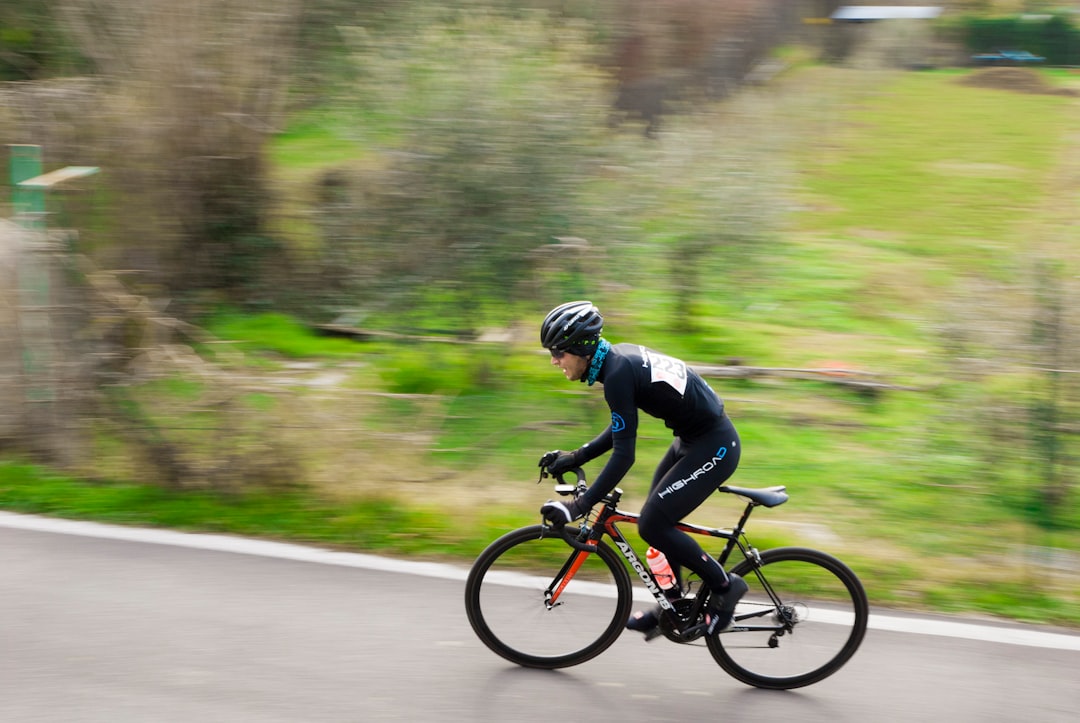
Photo by Mattia Cioni on Unsplash.

Photo by Viktor Bystrov on Unsplash.
WHOOP, Oura, and Apple Watch can disagree. Prioritize multi-day trends plus how you feel, then make one clear training decision.
Recovery scores are useful only when they help you choose the next ride. When the scores split, treat them as inputs, not the final answer.
When wearable recovery metrics disagree, do not let the loudest score steer the whole week. Use the device data, your recent training, and your felt state as one system.
For N+One, the useful question is simple: does the full picture call for a change today? If several signals look worse than your norm, keep some intensity but cut volume for one week.
If only one device is worried and you feel steady, ride the plan and watch the next few days. For setup context, see how Apple Health can feed ride data into N+One.
Do not rely on one score when devices conflict.
Check resting heart rate, HRV, sleep, and felt readiness.
If several signals are down, cut volume for seven days.
Keep one controlled quality ride if symptoms are mild.
In N+One terms: the devices are sensors, while your plan is the controller.
The devices are sensors; your training decision is the controller.
WHOOP, Oura, and Apple Watch do not measure the same body site in the same way. Their sensor fit, wear time, sampling logic, and software labels can all differ.
That means a recovery score, readiness score, and sleep view may not be interchangeable. A mismatch does not prove your fitness changed overnight.
The safer move is to compare like with like over time. If you want a deeper workflow, start with , then apply the same rule each week.
Data analysis is free, forever. The Dynamic Coach is Pro. Connected to Garmin, Strava, Whoop, and intervals.icu.
With limited public evidence in this prompt, it is not sound to crown one vendor as best. A narrow, useful rule is to trust steady trends more than single readings.
For cyclists, start with resting heart rate trend, nocturnal HRV trend, and total sleep time. Then add mood, soreness, and how power feels on the bike.
This is close to how N+One weighs sleep, HRV, and resting heart rate with training context. You are not chasing a perfect score; you are reducing guesswork before the next session.
Use multi-night HRV and resting heart rate trends.
Favor total sleep time over disputed sleep stages.
Add mood, soreness, and on-bike feel.
Do not overreact to one outlier reading.
In N+One terms: stable trends matter more than one score that shouts.
Prioritize stable sensor trends over single-score disagreement.
Use a three-input rule: objective trends, subjective readiness, and recent load. If two inputs look worse than normal, adjust the next seven days.
The default move is clear: keep intensity, cut volume by about one fifth, and avoid stacking hard work. This protects the training signal without turning the week into drift.
If only one input flags and you feel fine, keep the plan and watch closely. For related logic, review how N+One treats subjective and objective readiness before changing the week.
One tactical email with training ideas and product updates. No spam — unsubscribe anytime.
Keep reading
- Recovery Tracking Pitfalls: Why Your Recovery Apps Sometimes Disagree — Recovery apps can disagree because they use different sensors, baselines, algorithms, and context. Learn how to pick one decision rule and reduce noi...
- Fixing WHOOP sync data gaps — Troubleshoot WHOOP sync data gaps: quick checks, reconnect steps, and when to escalate so recovery values update reliably.
- Importing WHOOP Recovery Into N+One Readiness: What Each Component Contributes — Learn how to map WHOOP Recovery inputs into N+One Readiness with conservative rules, clear caveats, and a seven-day training adjustment protocol.
N+One is most useful when it turns many inputs into one next move. Feed the latest wearable trends, ride load, and felt state into the same decision frame.
If you want day-to-day guidance without second-guessing, let N+One translate your latest training and recovery context into one clear next decision. That may mean holding intensity, trimming volume, or resuming the plan after signals settle.
This also depends on clean data paths, so check N+One integrations for wearables if recent rides or recovery data are missing. For indoor work, smart trainer data in N+One can keep load context from drifting.
Compare each device against its own past trend.
Do not swap vendor scores as if they match.
Treat sleep stages as less useful when devices split.
Look for repeated patterns, not one bad night.
Disagreements between WHOOP, Oura, and Apple Watch are expected because each uses different sensors, placement, and proprietary algorithm…
Count objective trends, felt readiness, and recent load.
If two are worse, cut volume for seven days.
Keep one sub-threshold quality session.
If only one flags, ride and monitor.
Bring RHR, HRV, sleep, and ride load together.
Add a quick felt-readiness note.
Ask for one next training move.
Recheck the same inputs after seven days.
Ready to optimize your training.
The grounded source supplied here is a PubMed search, not a specific trial or consensus statement. So the claim stays narrow: do not treat one consumer recovery score as a universal truth.
Published evidence should be checked metric by metric before making stronger claims about accuracy. Device firmware, wear site, and user behavior can change what a cyclist sees.
Your threshold did not disappear because one app turned red. More often, the training system around the score needs a calmer read.
Avoid vendor-wide claims without metric-specific evidence.
Check PubMed or clinical sources for strong claims.
Use trends until better evidence is clear.
Keep the training decision practical and reversible.
Tonight, look at the last few nights, not only the latest score. Ask whether resting heart rate, HRV, sleep time, and your felt state agree.
Then make one decision for tomorrow and the next week. If the picture is mixed but not clearly poor, keep the plan and log what happens.
If the picture is clearly poor, trim the week and keep the work controlled. For future weeks, a recovery week decision in N+One can keep this rule from becoming a debate.
Check recent RHR and HRV trends.
Compare sleep time with your normal week.
Note mood, soreness, and ride feel.
If several flags align, cut volume.
Log the outcome before changing again.
Day 0 — Assessment: Gather recent resting heart rate, nocturnal HRV, total sleep time, and your subjective readiness. Note which devices flagged reduced recovery and what signal drove the warning.
Days 1–7 — Recovery week: If two or more inputs look worse than normal, reduce weekly training volume by about one fifth. Keep one quality session below threshold, skip maximal efforts, and keep wearing the same devices.
Day 8 — Reassess: Compare the latest short trend with your baseline. If trends and symptoms have settled, resume planned progression. If not, repeat a reduced week or speak with a coach or clinician.
When WHOOP, Oura, and Apple Watch disagree, no single device automatically wins. Prioritize multi-day trends plus how you feel, then make one clear training decision.
Do not let one score overrule the full context. If the other signals and your felt readiness are steady, keep the plan and monitor the next few days.
N+One helps turn the combined context into one training move. It does not need to crown one device as the permanent winner.
Take your felt state seriously. If fatigue is persistent, reduce the next week’s load even when the device scores look normal.
Not necessarily. Use the device that gives stable trends for the metric you care about, and compare it against its own past data.