Surges That Weren’t in the Plan: Tagging Group-Ride Chaos for Better Learning
5 min read

Learn how to tag unplanned group-ride surges so chaotic efforts become useful training signals for weekly review and next-session decisions.
On this page

Photo by Rille Camera Strap on Unsplash.
Group rides go off-plan fast. Tag each surge so it becomes a clear training signal, not noise in your next review.
Unplanned surges can change what a ride means in your log. If you do not mark them, a coach, app, or future review may treat chaos like planned work.
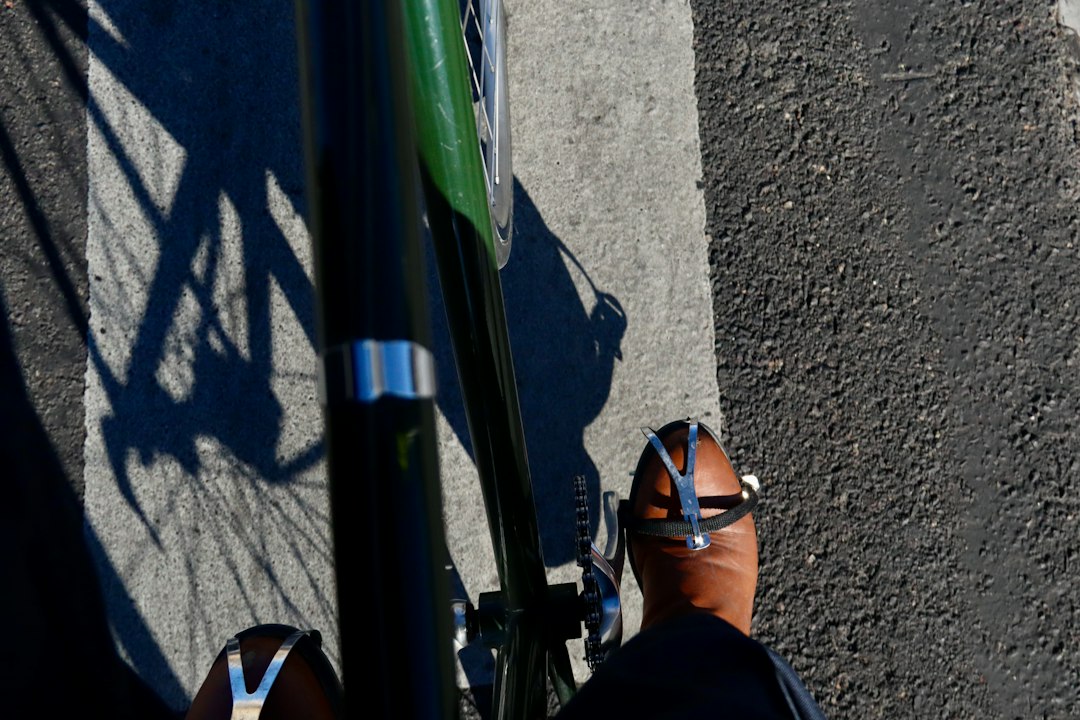
Photo by Manny Becerra on Unsplash.
A group ride can look steady on the calendar, then ride like a set of attacks. Tags keep that shift visible when you review the file later.
Without tags, hard pulls, bridge moves, and late chases can blur into one average ride. Use labels beside power quadrant review to see whether the work was smooth, spiky, or mixed.
The goal is not to make every ride neat. The goal is to keep planned work separate from noise, so the next choice fits what happened.
Mark each unplanned surge with one clear tag.
Note whether you attacked, chased, pulled, or sat in.
Keep the planned workout name unchanged.
Review tags before judging interval quality.
A clean tag turns group-ride chaos into a reviewable training signal.
In N+One terms: the training system did not break; the input stream added noise that you can label and learn from.
Use one in-ride action and one post-ride note. Press the lap or marker button when the move starts, then name it after the ride.
Keep the note short: what set it off, your role, and how hard it felt. Pair that note with power, heart rate, and time from the file.
This is where lap-level ride review helps. A marked lap gives the surge a start, a stop, and a place in the story.
Use the lap button when a surge starts.
Add a one-line note after the ride.
Record trigger, role, effort, and timing.
Reuse the same three or four tag names.
Tag chaotic rides immediately with consistent labels so they’re searchable in post-ride review.
Data analysis is free, forever. The Dynamic Coach is Pro. Connected to Garmin, Strava, Whoop, and intervals.icu.
Treat tagged surges as their own inputs, not as hidden extras inside an easy ride. Ask whether they matched the day’s aim or added strain you did not plan.
A short burst may be useful context without changing the next day. Repeated hard moves need more weight, especially when they change how the whole ride felt.
Compare the tag list with steady versus surgey ride patterns. If the ride was much spikier than planned, make the next hard session smaller.
Count a surge as useful if it matched the session aim.
Count it as noise if it was brief and low cost.
If hard surges stacked up, trim the next hard workout.
Do not rewrite the whole week from one messy ride.
The tag helps you decide whether to keep stress, move stress, or cut stress.
One tactical email with training ideas and product updates. No spam — unsubscribe anytime.
Keep reading
- Pacing Quality in Cycling Workouts: First‑Half vs Second‑Half Power — What the Evidence Shows and What to Do Next — Compare first-half and second-half cycling power to spot pacing drift or fatigue, then use a 7-day protocol to adjust volume and retest cleanly.
- Data engineering tips for cyclists — Data engineering tips for cyclists: practical steps to clean training data, prevent duplicates, and ensure time series consistency for better adaptiv...
- Pedal Smoothness and Left–Right Power Balance: What Cyclists Should Actually Track — Learn how to use pedal smoothness and left–right power balance without overreacting. Track repeatable signals, protect your main training plan, and k...
You do not need a long diary entry. Capture tag type, time, max intensity, your role, and perceived effort.
Those five fields make later review much easier. They also help separate a chase caused by crosswind from an attack you chose to follow.
Use plain names, not codes you will forget. For deeper file review, compare tags with peak power windows after hard rides and the lap notes.
Tag type: surge, chase, attack, pull, or bridge.
Timing: note the lap or rough ride minute.
Intensity: use the peak value your device shows.
Role: say what you did in the move.
RPE: add how hard it felt.
Make tagging light enough that you will still do it when tired. A perfect system that you skip is worse than a small system you use.
Set up a ride-note template before the next group ride. If you missed in-ride markers, use memory, route landmarks, and file spikes to rebuild the key moments.
A weekly scan is enough for most riders. Pair your tags with basic cycling data fields and check whether group rides are helping the plan or crowding it out.
Pre-load three or four tags in your notes.
Use voice notes if your hands are busy.
Review tagged rides once each week.
Ask one question: did this help the plan?
Change tactics if the same costly surge keeps showing up.
In N+One terms: reduce decision friction, because a small label now saves mistaken training changes later.
Immediate: On your next group ride, press the lap or marker button for every unplanned surge and add one line after the ride with trigger, role, and effort.
Seven-day review: If a tagged surge made the ride feel like hard work, cut the next hard-session volume by 20% for seven days, then reassess.
Four-week pattern check: Count tagged surges each week. If group rides keep turning into hard efforts, ride fewer of them or change tactics by staying sheltered and skipping pulls.
Group rides go off-plan fast, but the file does not have to stay vague. Tag the surge, name your role, check the data, and make one clean next choice.
No. Tag the moves that changed the ride: attacks, chases, hard pulls, or repeated surges that affected how the session felt.
Add the tag after the ride. Use route landmarks, file spikes, and memory to mark the key surge as closely as you can.
No. They replace planned work only when the effort matched the aim and carried a real cost. Otherwise, treat them as context.
Yes. Clear tags help N+One read what was planned, what was chaotic, and what next move best fits the session.