Coast-to-Coast Power Fade: Diagnosing Late-Ride Decays in Long Events
5 min read

Diagnose late-ride power fade in long cycling events by checking fueling, pacing, heat, fatigue, and device signals, then test one clear fix.
On this page
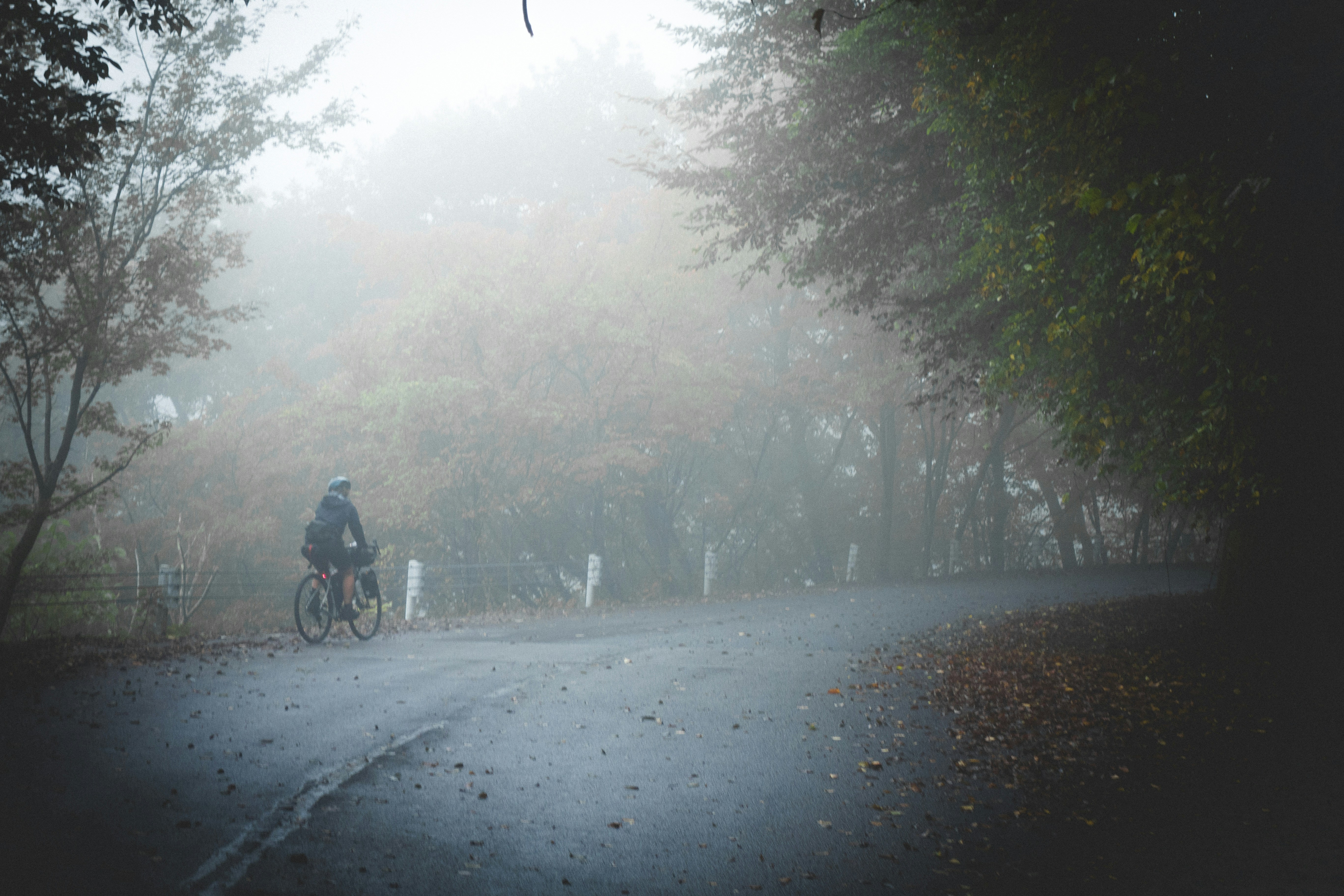
Photo by Patrick Hendry on Unsplash.
Late-ride power fade reflects energy, heat, fatigue, pacing, and fueling inputs. Find the likely driver, change one input, then reassess.
A PubMed search for the exact phrase “Coast-to-Coast Power Fade” returned no direct indexed match. So this guide keeps the term practical, not formal: it means a clear drop in usable power late in a long event, interpreted through general exercise physiology principles and ride data patterns.
Late power fade is rarely one thing. It often reflects the way fuel stores, heat load, muscle fatigue, and pacing stress meet during a long ride.
Your threshold did not disappear; your ride demanded output after the system around that output had shifted. That is why the same watts can feel smooth early and costly late.
Look at the shape of the ride before you blame fitness. Comparing late-ride power curves with the first half of the event can show whether the drop was gradual, sudden, or tied to hard surges.
Treat the fade as a system signal, not a character flaw.
Check fuel, heat, pacing, and fatigue before changing training.
Use ride files to spot whether the drop was slow or sudden.
Keep the next fix narrow so the signal stays clear.
In N+One terms: your threshold did not vanish, but the inputs around it changed.
Your threshold did not disappear; your recovery, fuel, heat, and pacing inputs changed, so the output fell.

Photo by Alexandre Daoust on Unsplash.
Start with the input most likely to change the finish of a long ride: fueling. If you under-eat early, the late ride becomes a math problem your legs cannot solve cleanly.
Next, review pacing, because early surges spend more than they seem to cost. A steady file and a surge-heavy file can feel similar until the final stretch.
Then check recent load and sleep. If several hard days sit close together, the fade may reflect low readiness rather than weak endurance.
Use first-half versus second-half power to separate poor pacing from poor durability. If cadence falls too, a late rpm drop can point toward neuromuscular strain.
Review fueling first, because it is easy to test.
Scan the opening section for repeated hard surges.
Check recent load, sleep, and recovery notes.
Compare power, heart rate, cadence, and perceived effort.
Pick the most likely cause before changing the plan.
Start with the highest-leverage input, then use pacing and recovery signals to confirm.
PubMed search returned no exact matches for the phrase “Coast-to-Coast Power Fade,” so specific claims below are framed from general, Pub…
Data analysis is free, forever. The Dynamic Coach is Pro. Connected to Garmin, Strava, Whoop, and intervals.icu.
Device data gives clues, not verdicts. Treat each pattern as a pointer that helps you choose the next clean test.
If power falls while heart rate stays steady, the limiter may sit closer to the working muscles or fuel supply. If both power and heart rate fall, low readiness or illness becomes more plausible.
If heart rate rises while power holds or drops, heat and hydration deserve attention, especially in summer events. The signal is stronger when the same pattern repeats across similar long rides.
For a broader file check, pair power with efficiency and decoupling trends. You can also use normalized versus average power to see whether the ride was harder than it looked.
Power down, heart rate steady: suspect fuel or local muscle fatigue.
Power down, heart rate down: suspect low readiness or illness.
Heart rate up for same power: suspect heat or hydration strain.
Repeat the check on similar rides before overreacting.
Do not change fueling, pacing, recovery, and training all at once. A messy fix may make you feel busy, but it hides the cause.
If fueling looks weak, raise carbohydrate intake on long rides and start earlier than you think. Keep the ride plan the same so the fuel change can speak clearly.
If pacing looks surge-heavy, hold back through the early hard sections and let the ride come to you. Use variability index for surge control when the route makes steady pacing hard.
If fatigue looks more likely, keep a touch of intensity but cut total work for a short block. The goal is to restore output, not prove toughness.
Fueling fix: eat earlier and more steadily on long rides.
Pacing fix: limit early spikes above planned effort.
Recovery fix: cut total work while keeping light intensity.
Training fix: add durability work only after recovery improves.
Test one change before moving to the next.
One clean change creates a readout you can trust.
One tactical email with training ideas and product updates. No spam — unsubscribe anytime.
Keep reading
- Pedal Smoothness and Left–Right Power Balance: What Cyclists Should Actually Track — Learn when pedal smoothness and left-right power balance matter, how to test them cleanly, and what to track before changing your cycling plan.
- Power Quadrant Analysis for Cyclists: Where Your Climbs, Sprints, and Steady Rides Live — Use Power Quadrant Analysis as a practical ride-file map to see where climbs, sprints, steady rides, and recovery efforts live, then choose one next...
- Pedal Smoothness and Left-Right Power Balance: What Cyclists Should Actually Track — Learn how to use left-right power balance and pedal smoothness without chasing noise. Track trends, confirm signals, and use one clear drill protocol...
Run the same test twice when you can. One ride can be noisy because wind, heat, traffic, and group dynamics change the load.
Track late power, heart rate pattern, cadence, and finish-line effort in plain notes. If the late fade eases and the finish feels more stable, keep the change.
If nothing shifts, move to the next likely driver instead of adding more changes. A clear sequence beats a pile of guesses.
For interval days, lap-by-lap form checks can show whether breakdown starts before the long ride itself. If short hard work also fails, recovery or readiness moves higher on the list.
Repeat the test on two similar long rides when possible.
Log late power, heart rate, cadence, and finish effort.
Keep the fix if the late fade clearly eases.
Switch drivers if the signal does not change.
Do not stack fixes before you learn from the first one.
One clear input change, measured across repeated rides, gives you a decision.
Most late-ride power fade belongs inside training, fueling, heat, and pacing review. Still, not every bad finish is just a training puzzle.
If the fade comes with unusual symptoms, stop treating the ride file as the main answer. Seek medical help when symptoms feel new, severe, or out of line with normal effort.
This article is not a medical diagnosis. It is a training workflow for a common endurance pattern when no warning signs are present.
Stop the self-test if symptoms feel unusual or severe.
Do not use power data to dismiss concerning signs.
Get medical input when the pattern feels new or unexplained.
Return to training review after health concerns are cleared.
Decision: If you fade late in long rides and no warning signs are present, make fueling the first test. Eat earlier, keep intake steady, and do not change pacing or training load during the test.
Plan: Use the same fueling approach on the next two long rides or close training simulations. Keep the route, pacing intent, and pre-ride routine as stable as real life allows.
Reassess: If late power holds better and finish-line effort feels more controlled, keep the fueling plan. If not, pivot to pacing discipline on the next two long rides.
Guardrail: If the ride includes unusual symptoms or a sudden drop that feels unlike normal fatigue, stop the training experiment and seek medical guidance.
Late-ride power fade reflects energy, heat, fatigue, pacing, and fueling inputs. Your next move is not to overhaul training; it is to change one likely input, repeat the test, and let the ride data answer.
Not by itself. Your threshold can be valid while fueling, heat, pacing, or fatigue makes that output harder to hold late in a long event.
Not as the first move. Test fueling and pacing first, because they can cause late fade even when fitness is adequate.
Yes. Heat strain can build across the ride, so early comfort does not rule it out. Compare heart rate, perceived effort, and power across similar conditions.
Get medical input if the fade comes with unusual, severe, or new symptoms. Training data should not be used to explain away concerning signs.