Pedal Smoothness and Left–Right Power Balance: What Cyclists Should Actually Track
5 min read

Learn how to use pedal smoothness and left–right power balance without overreacting. Track repeatable signals, protect your main training plan, and know when to act.
On this page
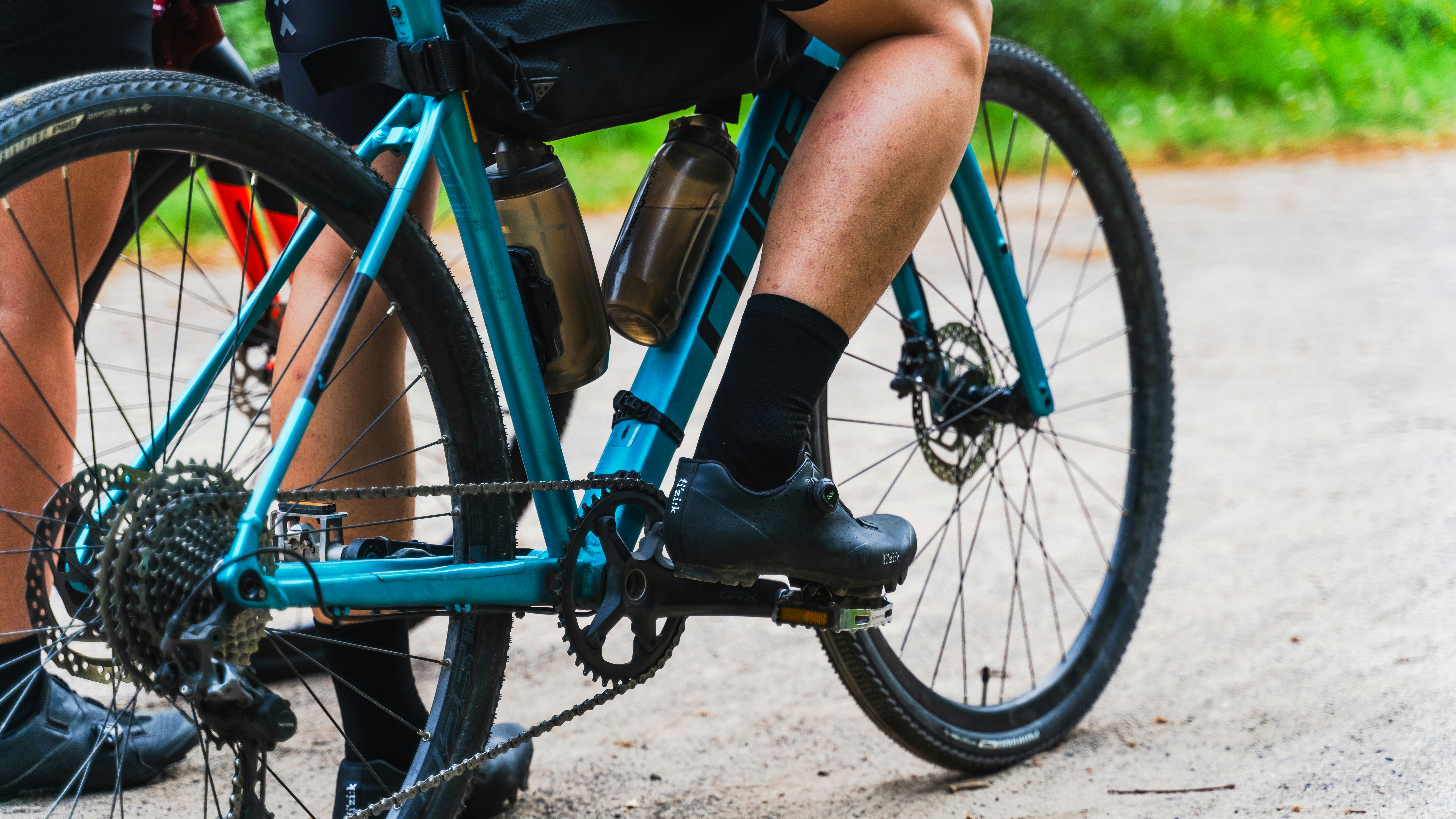
Small L–R differences and pedal-smoothness scores rarely decide training alone. Track them as diagnostic signals, not the main target.
A PubMed search on pedal smoothness and left–right power balance shows limited, mixed literature. Use the fields with care: they can flag a pattern, but they do not replace sound training judgment.
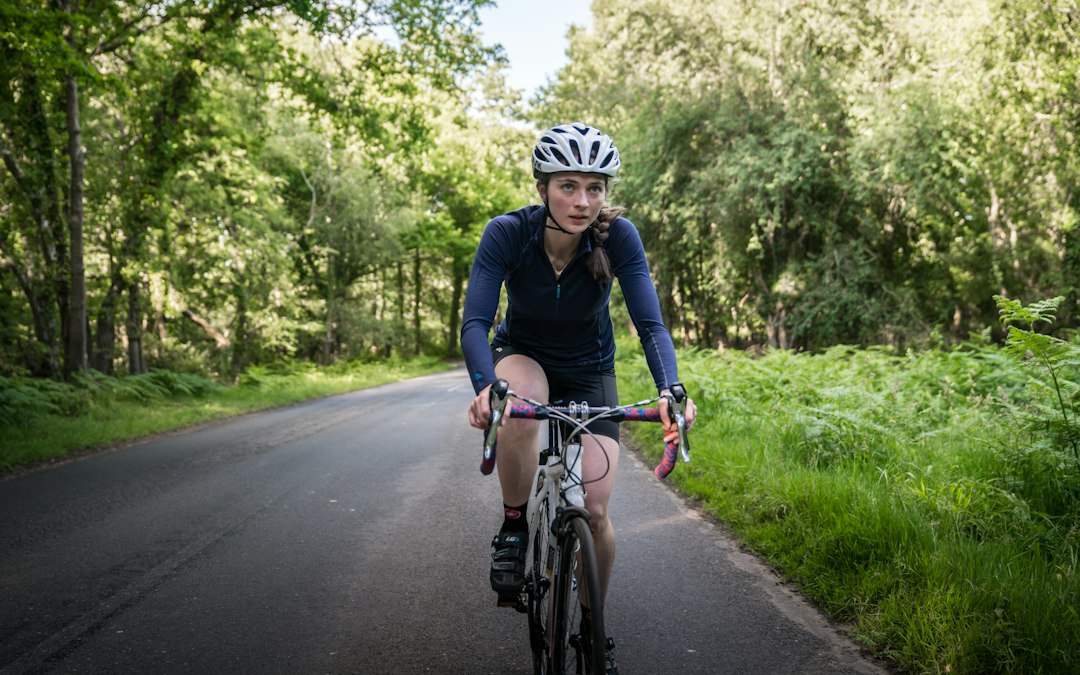
Photo by Lucas Canino on Unsplash.
Modern power meters can show total power, cadence, left–right split, pedal smoothness, and torque-style fields. Those numbers look exact, but device type, setup, and riding style can shape the file.
The PubMed-indexed literature does not give a clean rule that small L–R differences alone predict performance. That means your next move should be measured, not reactive.
Start with the broad stack of cycling metrics that shape the next ride. Then use pedal data only when it adds a clear signal to power, cadence, and felt effort.
If the same pattern appears in matched efforts, it may be worth a short check. If it appears once during a windy group ride, treat it as a note, not a verdict.
Compare matched efforts, not random rides.
Use the same power meter for repeat checks.
Log cadence, position, and effort feel.
Treat one-ride swings as weak evidence.
This keeps the promise simple: track the signal without letting it steer the whole plan.
In N+One terms: keep the main plan anchored while you test whether the pedal signal repeats.
Track left–right power balance during steady seated work, not during every surge, turn, or standing climb. The cleaner the task, the cleaner the comparison.
Cadence stability matters because a drifting rpm can make leg balance look worse than it is. Pair that view with cadence trends across a workout when late-session form changes.
Total power still leads the decision. If L–R balance looks odd but total output, cadence, and effort feel stable, you likely need more data before changing training.
Normalized power can help frame hard, uneven rides where average power hides surges. Use normalized power versus average power before you blame one leg for a messy file.
Track L–R balance during steady seated work.
Watch cadence drift beside leg split.
Keep total power as the main target.
Tag pain, fatigue, and fit changes.
The PubMed search for this topic shows limited high‑certainty evidence that correcting small L–R power imbalances or pedal-smoothness num…
Data analysis is free, forever. The Dynamic Coach is Pro. Connected to Garmin, Strava, Whoop, and intervals.icu.
Reliable pedal data starts before the ride. Zero offset, battery state, cleat position, firmware changes, and device pairing can all change the story.
Use one setup for repeat checks, especially when you compare indoor and outdoor files. If those settings vary, review why trainer and road data differ before you call it asymmetry.
Calibration is not a glamour task, but it protects you from false patterns. Build the habit around accurate power-meter setup before you judge small shifts.
Choose one repeatable route, trainer session, or flat stretch for your check. Keep position and cadence as close as you can, then compare the trend.
Zero offset before controlled checks.
Avoid mixing power meters in one trend.
Use the same shoes and cleat setup.
Repeat the same style of effort.
You get a clearer next decision when the test stops moving underneath you.
In N+One terms: remove setup drift first, then decide whether the rider changed.
Act when the pattern is repeatable, tied to symptoms, or tied to weaker task output. Do not act because one dashboard field looked uneven after a chaotic ride.
If pain, weakness, or lasting one-sided discomfort appears, do not use the head unit as a diagnosis. Step outside the dashboard and seek a qualified bike fit or physiotherapy view.
For performance work, repeat the same kind of effort and ask whether the pattern changes the next session. You can also use lap-by-lap workout review to see whether form fades late.
A useful signal changes a decision. It may lead to a drill block, a fit check, a lighter week, or simply more monitoring.
Act only on repeat patterns.
Escalate pain to fit or clinical support.
Retest before changing the plan.
Keep race goals tied to total output.
One tactical email with training ideas and product updates. No spam — unsubscribe anytime.
Keep reading
- W' Balance and Anaerobic Capacity: Interpreting the Mental Battery Mid-Ride — W' balance estimates remaining anaerobic work during a ride. Learn how to use it for pacing, post-ride review, and one clear training adjustment.
- Data engineering tips for cyclists — Data engineering tips for cyclists: practical steps to clean training data, prevent duplicates, and ensure time series consistency for better adaptiv...
- Coast-to-Coast Power Fade: Diagnosing Late-Ride Decays in Long Events — Diagnose late-ride power fade in long cycling events by checking fueling, pacing, heat, fatigue, and device signals, then test one clear fix.
Pedal smoothness fields can be useful, but many are shaped by vendor methods that riders cannot inspect. Treat them as alerts, not diagnoses.
If smoothness drops while cadence, total power, and L–R balance stay stable, do not chase the number. The better move is to repeat a controlled effort later.
Torque-style views may still help when they show timing or force changes across a ride. For deeper pattern reading, pair them with power quadrant analysis for cyclists.
Your threshold did not disappear because one smoothness score moved. More often, the training system around the file changed first.
Use smoothness as a flag only.
Confirm with L–R balance and cadence.
Check ride context before acting.
Retest before adding drills.
The aim is not a perfect-looking file; it is a better next ride.
In N+One terms: a smoothness score is a clue, not the coach.
When a repeat pattern is worth fixing, keep the work small and controlled. You are trying to clean up coordination without stealing from the main training load.
Use easy single-leg pedaling, cadence-control reps, and steady sub-threshold work as the core tools. Stop any drill that brings pain, sharp discomfort, or sloppy motion.
Keep one normal intensity touch in the week so the system still sees race-like demand. Use first-half versus second-half pacing to check whether form holds as fatigue builds.
If the drills help, the file should look steadier under the same task. If nothing changes, the next useful move is fit, strength, or physiotherapy review.
Keep drills easy and controlled.
Add cadence work before more load.
Protect one key intensity session.
Stop drills that cause pain.
Retest with the same setup.
Baseline stage: For a short block of normal training, record L–R balance, cadence, total power, and effort feel on key rides. Include steady seated work when possible.
Decision point: If the pattern is small, inconsistent, and not tied to pain or output loss, return to normal training. Keep periodic checks, but do not chase the metric.
Correction stage: If the pattern repeats under matched conditions, keep intensity in the plan and trim nonessential volume for the next short block. Add easy single-leg work and cadence-control riding.
Retest: Repeat the same controlled effort with the same device, position, and cadence range. Compare the trend, not one second of data.
Escalate if needed: If the pattern stays repeatable and links to pain, weakness, or poor output, book a qualified bike fit or physiotherapy review.
Track pedal smoothness and L–R power as diagnostic signals during steady, comparable efforts. Keep the main training decision tied to total power, load, cadence, recovery, and how the work felt.
No. Small differences can show up from device setup, terrain, position, and fatigue. Worry less about one file and more about repeat patterns under matched conditions.
No. Pedal smoothness is a secondary field. Use total power, cadence, training load, and perceived effort for core training decisions.
You can still train well. Use total power, cadence control, repeatable tests, and how the effort felt. Add fit or physiotherapy support if symptoms point to one side.
They can help, but they are noisy. Wind, traffic, turns, braking, standing, and rough roads can all change the split before your legs do.