Race Week in the Plan View: Openers, Rest, and What Not to Tinker With
5 min read

Use race week as a tuning window: keep intensity, reduce volume, add short openers, protect routine, and avoid last-minute changes before your event.
On this page
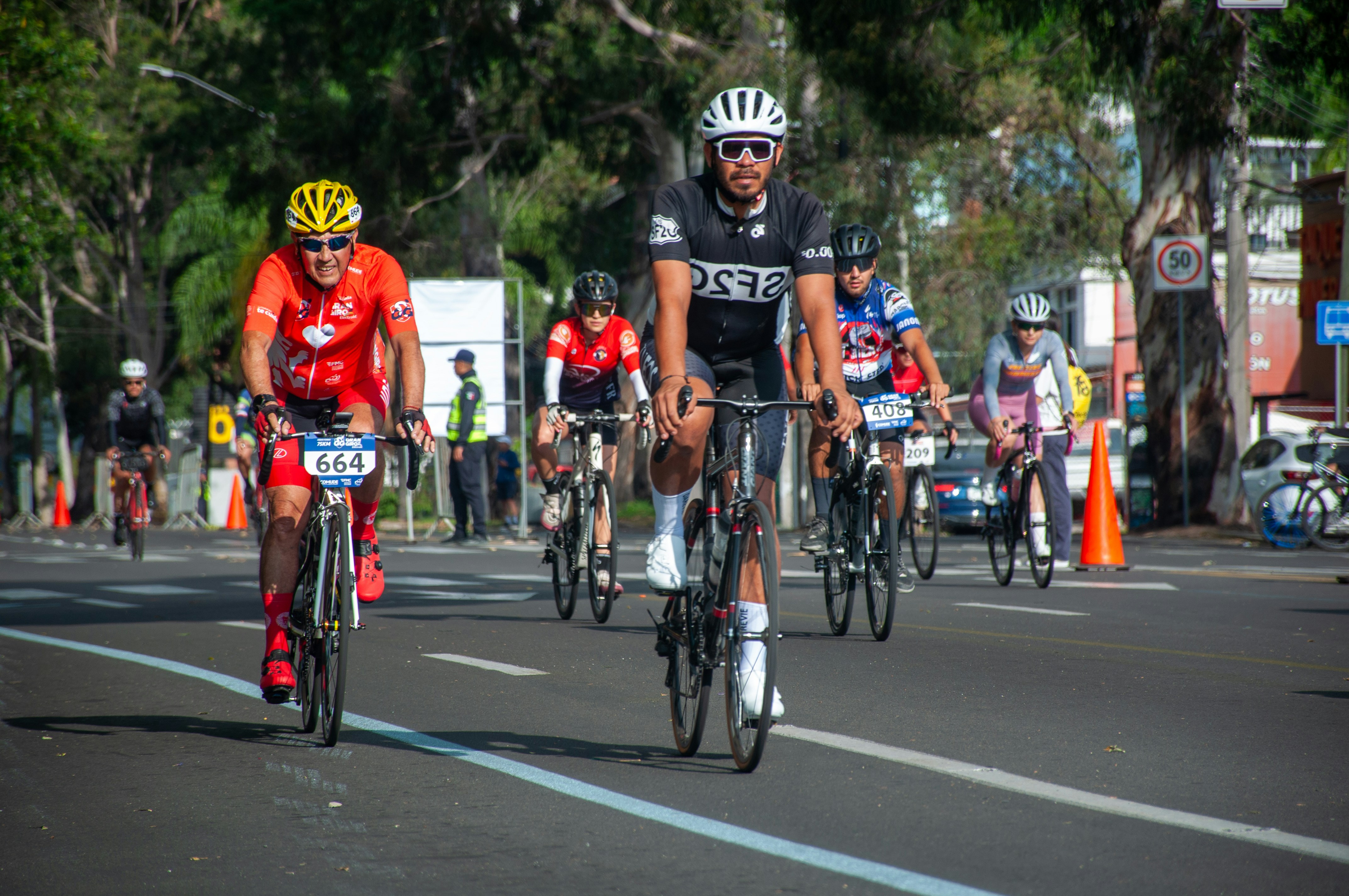
Photo by Gerardo Gómez on Unsplash.
Race week is a tuning window, not a second training block. Keep freshness while preserving readiness with short openers, rest, and no big tinkering.
The week before a race is where the Plan view should get quieter, not busier. You are not trying to gain new fitness; you are trying to show up fresh while preserving readiness. Keep the hard signal, trim the load around it, and avoid last-minute changes that add noise.
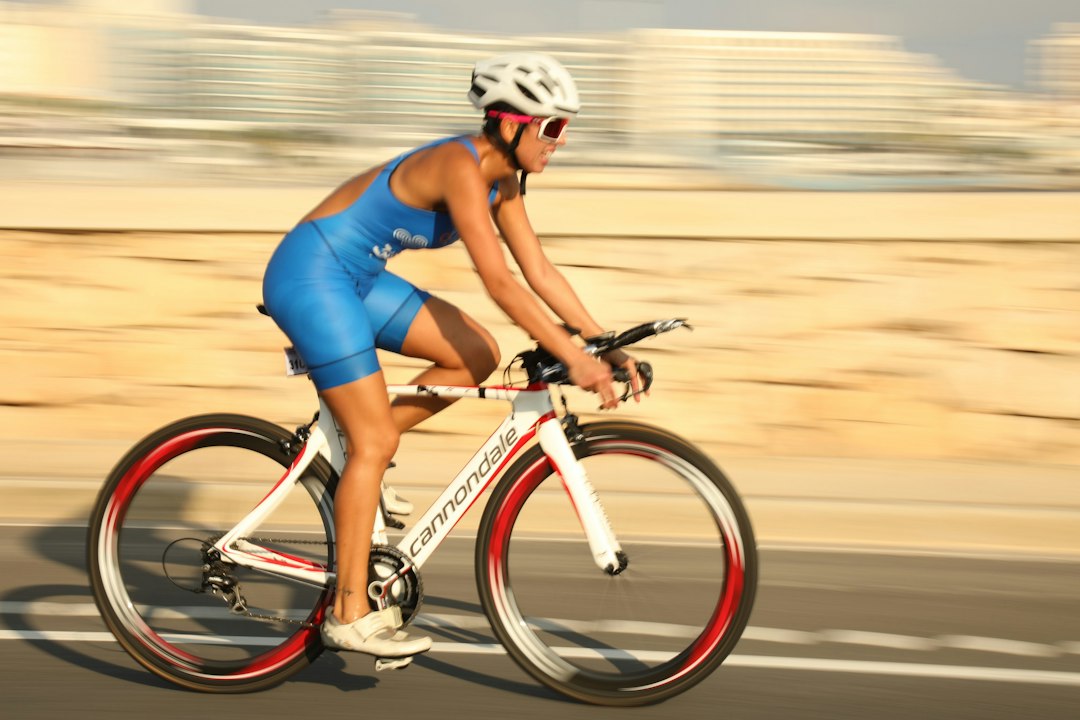
Photo by Angie Conti on Unsplash.
Race week changes the balance between training stress and recovery, so small choices can change how you feel on the start line. The safest frame is simple: keep the race-specific signal, then reduce the work that surrounds it.
Your training system has already done the main work before this week. If the build has gone well, as in a three-week endurance block, race week should protect the result rather than chase more fitness.
This is also where the Plan view helps you avoid over-correction. If you need to move a hard session safely, move one piece, then let the rest of the week stay calm.
Keep the main intensity cue in the week.
Reduce the work around that cue.
Move only one session if needed.
Do not add new training stressors late.
This keeps freshness and readiness in the same frame.
In N+One terms: preserve your threshold signal; trim noisy volume.
Openers are short, high-quality efforts that remind your body how race pace feels. They are not a hidden fitness test, and they should not leave you heavy the next day.
Use one or two opener sessions in the days before racing, with full recovery between hard efforts. If you already use structured sessions, planned workouts in N+One can keep the work brief and easy to read.
The best opener is one you have seen before. A known session beats a clever new format, especially when nerves and late-season fatigue can skew your sense of effort.
Use one or two short opener sessions.
Keep hard efforts brief and clean.
Take full recovery between efforts.
Stop while the legs still feel sharp.
Openers should preserve readiness without stealing freshness.
In N+One terms: short, sharp inputs to wake the system without adding fatigue.
Data analysis is free, forever. The Dynamic Coach is Pro. Connected to Garmin, Strava, Whoop, and intervals.icu.
One tactical email with training ideas and product updates. No spam — unsubscribe anytime.
Treat race week as a short-term recovery/tuning block: maintain intensity, reduce overall volume.
A sound race week reduces total work while keeping some intensity in place. That lets you shed day-to-day fatigue without making the week feel flat or unfamiliar.
Do not overhaul food, sleep, gear, bike fit, or warm-up style in the final days. If something feels off, compare the day’s choice with your next-session readiness before you add more work.
If you miss a ride, do not cram it back into the plan. The same logic behind a self-healing weekly plan applies here: protect the purpose of the week first.
Cut total volume, not all intensity.
Keep meals and sleep routines familiar.
Avoid new supplements or gear changes.
Do not replace missed work with extra load.
Keep reading
- Adding a Strength Session to Your N+One Cycling Plan: How the Coach Re-Distributes Load — Add one weekly strength session to your N+One cycling plan by trimming easy volume, protecting key intervals, and checking recovery after seven days.
- The N+One Today Workout vs the Weekly Plan: Resolving Conflicts in Your Head — When today’s workout clashes with your weekly plan, use one clear rule: keep intensity, trim volume, and reassess before reshaping the week.
- Handling a Missed Workout in N+One: How the App Re-Plans Your Week — Missed a workout in N+One? Learn how the app re-plans your week by preserving key intensity, trimming volume, and giving one clear next move.
Race-day warm-up should feel like a script you have run before. It should raise effort step by step, then leave you calm enough to start well.
Keep the warm-up short enough to match the race, weather, and venue. If autumn light, cold air, or parking delays shrink your window, shorten the warm-up instead of adding rushed efforts.
For indoor-heavy blocks, make sure the race-day feel still matches outdoor handling and pacing. If recent training was mostly inside, review how trainer work supports outdoor readiness before race week.
Start easy and build in steps.
Use a few short race-like efforts.
Keep fueling the same as practice.
Shorten the warm-up if logistics tighten.
In N+One terms: rehearse your race-day script, not a new one.
Day -7 to -5: Reduce planned volume compared with a normal week, while keeping one quality cue in place. Keep the session shorter than usual, then put extra weight on sleep and routine.
Day -4 to -3: Add one opener session with short, sharp efforts and full recovery. If your legs feel dull but not deeply tired, use the opener to restore rhythm rather than prove form.
Day -2 to -1: Keep volume very low and use easy riding with a few brief pickups if that is already familiar. Finalize nutrition, gear, and logistics without adding new products or settings.
Race day: Use a known warm-up with easy riding, a small number of race-like efforts, and a few short accelerations if practiced. Keep hydration and fueling as rehearsed.
Race week in the Plan view is a tuning window, not a second training block. Keep intensity, reduce volume, use short openers, protect sleep, and avoid the urge to fix what is not broken.
Usually no. Keep a small amount of familiar intensity so race pace still feels known, but cut the extra work around it.
Do not add another hard session to force the feeling back. Ride easy, sleep well, and let the opener settle before race day.
Race week is the wrong time to test a new food, drink, or supplement. Use what you have already practiced in training.
Do not cram it into the day before the race. Use a short easy ride with a few familiar pickups, or rest if fatigue is high.