Building an Endurance Block in N+One: Three Weeks Out From Your A‑Race
5 min read

Three weeks out from your A-race, keep race-specific intensity, trim weekly volume, and use a clear N+One block to arrive sharper.
On this page

Photo by Viktor Bystrov on Unsplash.
Three weeks out, keep race-specific intensity but trim load. Cut volume briefly, protect freshness, then sharpen toward race day.
This is coaching guidance, not a direct literature citation. The grounded source search did not find PubMed-indexed material that directly addresses building an N+One endurance block three weeks before an A-race, so the plan below keeps claims narrow and practical.
Three weeks out is close enough that new fitness is not the main bet. Your better move is to keep the race signal, trim excess load, and let freshness rise.
This block works best when your A-race is already set in the system. If you still need that anchor, start with setting your target race before you edit the final weeks.
The aim is not to become a new rider in three weeks. The aim is to carry your current form into race day with fewer loose ends.
In N+One terms: this is a short reset that protects sharpness while lowering non-productive fatigue.
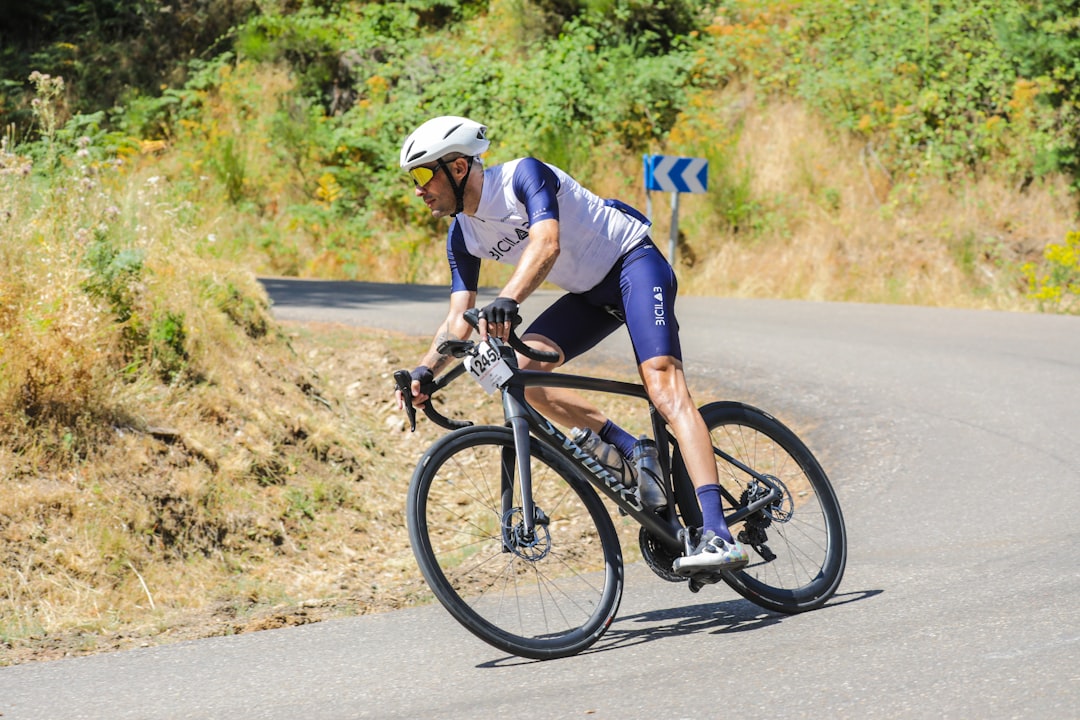
Photo by Ricardo José Loureiro González on Unsplash.
Keep one hard session each week, but make it precise and shorter than your peak work. Cut the spare volume that adds strain without adding much race value now.
For many riders, the clean move is to lower weekly volume by about 15–25% from the prior peak week. If your week must shift, use moving a hard session rather than forcing intensity into a bad day.
Keep the long aerobic ride, because race day still asks you to hold form after time has passed. If a workout is missed, let the week re-plan instead of cramming it back in.
Keep one race-specific hard session each week.
Cut weekly volume by about 15–25%.
Keep one longer aerobic ride if freshness holds.
Move hard work away from poor sleep days.
This keeps the race signal while lowering the load that can mask freshness.
In N+One terms: keep the intensity stimulus, trim the noise, and stack aerobic time.
This answer is coaching guidance; I could not find PubMed-indexed evidence specifically matching “Building an Endurance Block in N+One: T…

Photo by Quan-You Zhang on Unsplash.
Data analysis is free, forever. The Dynamic Coach is Pro. Connected to Garmin, Strava, Whoop, and intervals.icu.
Use one template per week, not all three at once. The point is to match the week to your fatigue, race needs, and time budget.
Template A is the steady choice: one threshold-style session, two steady aerobic rides, and one longer ride. Use this when training has gone well and you feel flat, not broken.
Template B leans more polarized, with easy spins around one harder workout and a longer ride. Template C is the taper start, where planned sessions get shorter and more specific.
Use Template A when you need steady work.
Use Template B when you need more rest between hard efforts.
Use Template C in race week or near race week.
Do not add extra interval days late.
One tactical email with training ideas and product updates. No spam — unsubscribe anytime.
Keep reading
- How Long Should a VO2max Block Last? Periodization for High-Intensity Phases — VO2max blocks commonly last 2–6 weeks. Learn how often to schedule hard sessions, when to stop, and how to taper before the next phase.
- Long-Term Trends in N+One: What 12 Weeks of Data Tells You About Progress — Learn how to use 12 weeks of N+One training data to read progress, spot fatigue, and make one clear adjustment for the next block.
- Rebuilding CTL After a Forced Break Without Triggering Overreaching — Rebuild CTL after a forced break with one quality session, lower weekly load, recovery checks, and a conservative return-to-training protocol.
Recovery is the part of this block that decides whether the work shows up. If sleep drops, mood sours, or easy rides feel heavy, reduce the next hard day.
Use simple checks before you train: sleep, legs, appetite, and how the warm-up feels. N+One can pair those signals with your weekly review so the next choice stays clear.
Fuel longer rides in a way you already trust, and do not test new race-day habits now. This is a bad time to add new gear, new food, or a new warm-up.
Keep sleep timing as steady as life allows.
Fuel long rides with known foods and drink.
Turn a hard day easy after poor sleep.
Use warm-up feel as a readiness check.
Freshness is the output you are trying to protect in the final weeks.
In N+One terms: protect recovery inputs so the endurance signal becomes usable race stamina.
The main mistake is trying to win the race in training during the final block. That often turns a useful signal into fatigue you carry to the start line.
The single corrective move is simple: keep intensity, cut volume by about 20% for seven days, then reassess. If your calendar still feels crowded, compare it with adaptive race peaking and remove the least specific work.
Do not delete all hard work unless you are truly cooked. Short, specific efforts help you feel sharp without making the week too heavy.
Do not add bonus intervals late.
Do not remove every long aerobic ride.
Cut load first, not all intensity.
Reassess after seven days.
Week 1 — Consolidate: Reduce total weekly volume by about 10–15%. Keep one focused intensity session, such as sub-threshold or race-pace work, and add two steady aerobic rides. Keep one longer ride at conversational pace if you feel sound.
Week 2 — Build aerobic durability: Trim volume a little more relative to your peak week. Do one longer ride, one shorter tempo or threshold session, and two easy recovery spins. Put sleep and known fueling around the long ride.
Week 3 — Taper and sharpen: Reduce volume more clearly from Week 1. Keep one short race-pace session early in the week, then use rest, short easy spins, and calm logistics before race day. Do not add new protocols.
Three weeks out, your next move is not more complexity. Keep race-specific intensity, cut weekly volume for seven days, then sharpen with short, known sessions while recovery catches up.
No, not by default. Keep one short, race-specific intensity session so the rhythm stays familiar, but cut the extra volume around it.
Keep the plan simple: replace the next hard session with an aerobic ride or rest day, then reassess after sleep and easy movement.
Avoid it unless your coach has a clear reason. The final block should use known sessions, known fueling, and known gear.
Use it to narrow choices, not add stress. The final week should favor short tune-ups, rest, and logistics that help you start fresh.