Adding a Strength Session to Your N+One Cycling Plan: How the Coach Re-Distributes Load
5 min read

Add one weekly strength session to your N+One cycling plan by trimming easy volume, protecting key intervals, and checking recovery after seven days.
On this page
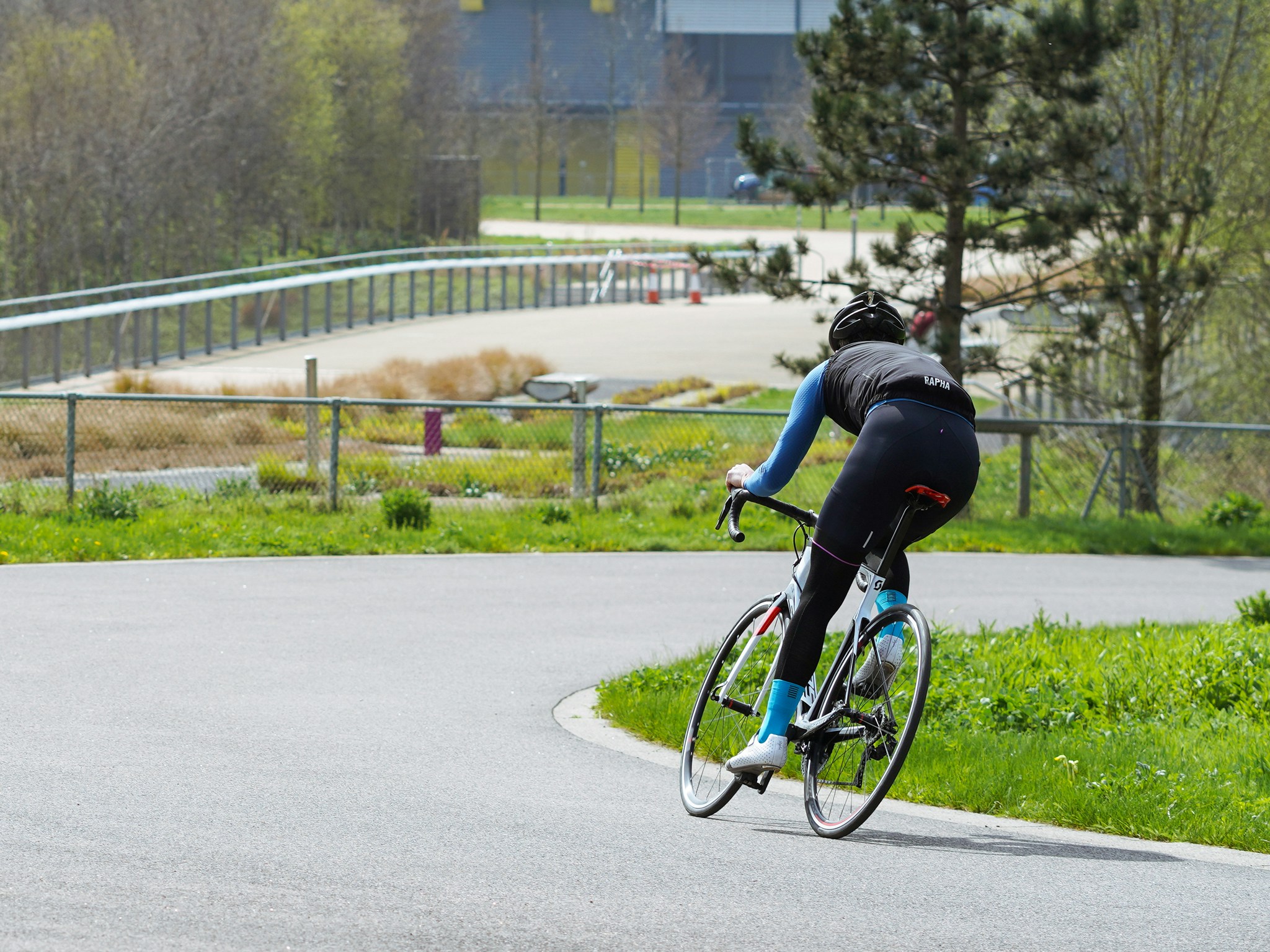
Add one weekly strength session by reducing ride volume, keeping key intervals intact, and re-checking recovery after seven days.
Strength work is not free load. When you add it to a cycling plan, the week needs a trade: less low-value riding, better spacing, or both. N+One treats the gym session as a new stressor, then protects the sessions that matter most for your current cycling goal.

Photo by Buddy AN on Unsplash.
A strength session can be useful when your cycling plan needs more whole-body load control, not just more riding. The point is not to stack stress on top of stress.
For N+One, the first question is simple: what does this new session replace? That is the same logic used when moving a hard session keeps the week coherent instead of crowded.
Because the provided source set only points to PubMed-indexed literature search, this article keeps physiology claims broad. Strength may support force-focused work, but your plan still has to respect fatigue and spacing.
Add one strength session, not two, during the first test week.
Treat it as training load, not bonus work.
Keep the session focused and short.
Do not place it before your hardest ride.
In N+One terms: add capacity, not chaos.
Add capacity, not chaos.
N+One treats the strength session as a swap inside the week, not a free add-on. The usual first move is to trim easy ride time while leaving the key cycling stimulus in place.
That means your threshold, VO2, sprint, or race-specific work should not be diluted just to fit lifting. If your week changes because life gets messy, the same load logic applies when N+One replans after a missed workout.
The coach removes lower-priority minutes first because those minutes cost recovery even when they feel easy. If you are in a focused endurance phase, compare this with building an endurance block, where volume has a clear job.
Cut non-essential easy ride time during the first week.
Keep your key interval targets unchanged.
Do not add extra intervals to compensate.
Move recovery before you move quality work.
In N+One terms: keep intensity, trim volume, and monitor recovery for one week.
Preserve the highest-value intensity and shift low-value minutes.
Data analysis is free, forever. The Dynamic Coach is Pro. Connected to Garmin, Strava, Whoop, and intervals.icu.
One tactical email with training ideas and product updates. No spam — unsubscribe anytime.
Treat a strength session as a training load substitution, not pure addition.
Photo by Jonny Kennaugh on Unsplash.
Place the strength session where it least harms the next high-value cycling workout. For most riders, that means an easy day or after low-stress riding, not the day before maximal work.
A simple plan beats a clever one. If your targets differ indoors and outdoors, use the same conservative thinking you would use when adjusting trainer targets.
Keep the first block stable long enough to learn from it. Changing load, lift choice, ride volume, and session order all at once makes the signal hard to read.
Put strength on a low-intensity day.
Leave a recovery window before key intervals when possible.
Keep the first session short and controlled.
Avoid heavy legs before a race or maximal test.
Keep reading
- Tagging a Race in N+One: How the Plan Builds Backward From Your A‑Race — Tag your A‑race in N+One so the plan builds backward through base, build, peak, and taper while keeping race-specific work clear.
- Planned workouts — How planned workouts appear in N+One, how completed rides match and deduplicate with plans, and how commute filtering works.
- How N+One Builds Your Weekly Cycling Plan: From Goals to Daily Workouts — See how N+One turns your cycling goal, recent training, and recovery signals into one weekly focus, daily workouts, and adaptive plan changes.
The next key cycling session tells you whether the swap worked. If your legs feel flat and the target work falls apart, the week carried too much total stress.
Use simple signs before you chase complex data. Poor sleep, heavy soreness, and unusually high effort can all mean the new load needs more space.
Make one change at a time. You can cut easy volume, lighten the strength session, or move it farther from quality riding, but changing all three hides the cause. For a broader recovery frame, use practical cycling recovery steps.
Check the next key interval day first.
If quality drops, reduce the lifting load.
If soreness lingers, cut easy ride time.
Reassess after seven days.
Make one clear adjustment only.
One week of data, one decision.
Day 1, easy day: Replace a usual easy endurance ride with a short strength session focused on controlled compound lower-body moves. Keep the work moderate and stop before form breaks.
Days 2–3, intensity preserved: Keep your planned high-value cycling sessions at their usual targets. Do not add extra intervals to prove the week is still hard enough.
Day 4, easy endurance reduced: Trim easy riding for the week compared with your normal plan. Use the freed time for sleep, mobility, or passive recovery.
Days 5–7, monitor and adapt: Review how the next key cycling session feels. If quality drops, lighten the strength work or cut more easy volume the following week.
Add one weekly strength session as a substitution, not a pile-on: trim easy ride volume, protect key intervals, place the lift away from maximal cycling work, and reassess recovery after seven days.
Not if the week is rebalanced. The risk comes from adding lifting without reducing other load or spacing it away from key riding.
Cut easy riding first. N+One protects the sessions tied most closely to your current goal, then trims lower-priority volume.
Do not panic. Use soreness as a signal to reduce lifting load, add more spacing, or trim easy ride time the next week.
No. Hold the first setup long enough to see a pattern, then make one clear change based on recovery and interval quality.