Power Durability for Long‑Course Cyclists: How to Hold FTP After Three Hours
5 min read

The supplied PubMed search did not show a direct match, so use this cautious field guide to test late‑ride FTP and choose one provisional training step.
On this page
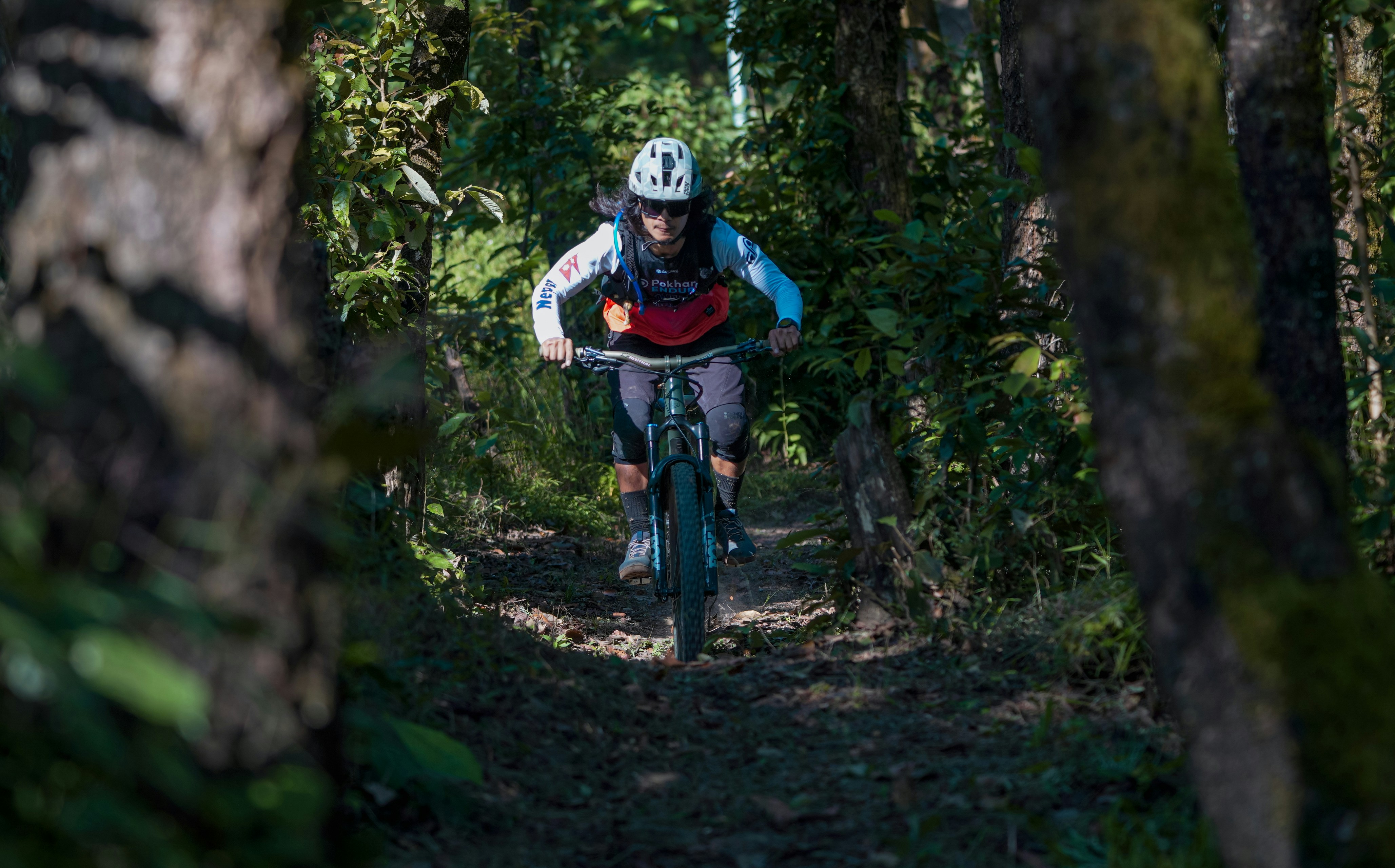
Photo by Sunil Chandra Sharma on Unsplash.
The supplied PubMed search did not show a direct match for this exact topic. Use this as a provisional field guide for testing late‑ride FTP.
Power durability is a useful coaching idea: how much of your known FTP you can still express late in a long ride. The supplied PubMed search did not return a clear article indexed under the exact topic phrase, so the guidance below stays narrow and test based.
The supplied PubMed link did not show a peer-reviewed article with this exact title or indexed topic. That matters, because a claim about why FTP fades after hours should not be dressed up as proven fact.
A coach can still work with the field pattern: your short test FTP may look stable, while long-ride power drops sooner than expected. Treat that as a signal to test, not as proof of one single cause.
For baseline context, use why durability changes the FTP story and a sound way to test FTP. Those pieces help separate your starting power number from your late-ride output.
Do not claim one cause from one late-ride fade.
Confirm your current FTP before judging durability.
Log power, heart rate, fuel notes, and perceived effort.
Compare similar routes, weather, and ride load.
The first job is to turn late-ride fade into a clean repeatable signal.
In N+One terms: your threshold did not disappear; the ride system around it may have drifted.
Photo by Dámaris Azócar on Unsplash.
Without a direct matched source, do not call any one pacing or fueling rule evidence-based from this search. Still, pacing and food logs are easy to test because you can change them while keeping the route steady.
Start by asking whether you spent too much power early, then paid for it late. A simple race file often shows this more clearly than a hard post-ride story.
Use a power-based pacing plan to shape the first part of the ride. If your goal event has surges, review how to execute with power before adding more hard work.
Hold the first hour below your target long-ride strain.
Eat and drink on a written plan, not by mood.
Mark any stomach issues in the ride file.
Keep early surges rare during test rides.
Data analysis is free, forever. The Dynamic Coach is Pro. Connected to Garmin, Strava, Whoop, and intervals.icu.
One tactical email with training ideas and product updates. No spam — unsubscribe anytime.
The supplied PubMed search returned no clear, directly matching peer‑reviewed articles for the exact topic phrase you gave.
Because the supplied search did not ground a specific protocol, the sessions below are best seen as conservative coaching choices. They are not a claim that PubMed proved this exact four-week path.
The aim is simple: rehearse steady work while tired, without turning every long ride into a test. You keep the stress clear enough that the next file can answer one question.
If short, focused work fits your week, pair this plan with time-smart cycling sessions. Riders who climb often can also compare late-ride output with longer climb power demands.
Use one long steady ride each week.
Add one sub-threshold session when fresh enough.
Avoid stacking hard days without a clear reason.
Deload if late-ride power keeps falling.
Your next move is one measured block, not a full rebuild.
In N+One terms: train the task you want to keep, then read the signal before adding more load.
Keep reading
- Best practices for power meters: Sprinting with Precision — Make your sprint watts trustworthy. Practical, science-backed steps to ensure your power meter records true 1,000W+ peaks — maintenance, sampling, pr...
- Anaerobic Work Capacity (W') for Cyclists: What It Is and How to Train It — Learn what W' means for cyclists, why it shapes attacks and sprint finishes, and how to train it with a clear six-week protocol.
- Why Your FTP Plateaus After Year Two — FTP plateaus when early gains slow and your training inputs stop matching the adaptation you need. Diagnose the cause, then make one clear correction.
A field test does not prove a physiological cause, but it can show whether the problem is real and repeatable. That is enough to guide the next training block.
Pick a route you can ride often, then place the key effort near the end. Keep your gear, power meter setup, and pre-ride routine as close as you can.
Before you compare files, check accurate power meter setup. For broader rider context, map your power strengths so one late effort does not define the whole athlete.
Repeat the same late-ride test route.
Change only one main input between tests.
Note sleep, heat, food, and prior load.
Judge trends, not one dramatic file.
Week 1 — Reduce volume, keep the key signal. Cut weekly volume by about one fifth if recent load has been high, then do one steady sub-threshold session and one long easy ride with a written fueling plan.
Week 2 — Add the durability stimulus. Do one long ride with a controlled finish near your target long-course power, then keep the rest of the week easy enough to read the file clearly.
Week 3 — Rehearse riding with some fatigue. Place a steady long ride before a shorter ride the next day, but stop the second ride if power and feel both fall sharply.
Week 4 — Test and decide. Ride the same course, place the final effort late, compare it with your baseline FTP, then either extend steady blocks or return to focused threshold work.
The supplied PubMed search did not show a direct match for this exact power durability topic, so treat this article as a cautious field guide. Your best next move is to test late‑ride FTP under repeatable conditions, change one input, and let the next file decide the training step.
No. FTP is usually treated as a benchmark from a shorter test or model, while power durability asks how much of that power you can still show late in a long ride.
No. The supplied search did not return a clear direct match for the exact topic phrase, so the protocol is framed as provisional coaching, not proven research.
If your short FTP is current but long rides fade, test late‑ride power first. That keeps the next block tied to the problem you actually see.
Repeat it after a short training block, using the same route and setup when possible. Do not judge durability from one file with different heat, sleep, or pacing.